Marcus’s "Silent Goldmine": The Energy Revolution in a Palm Oil Mill
2025-08-21
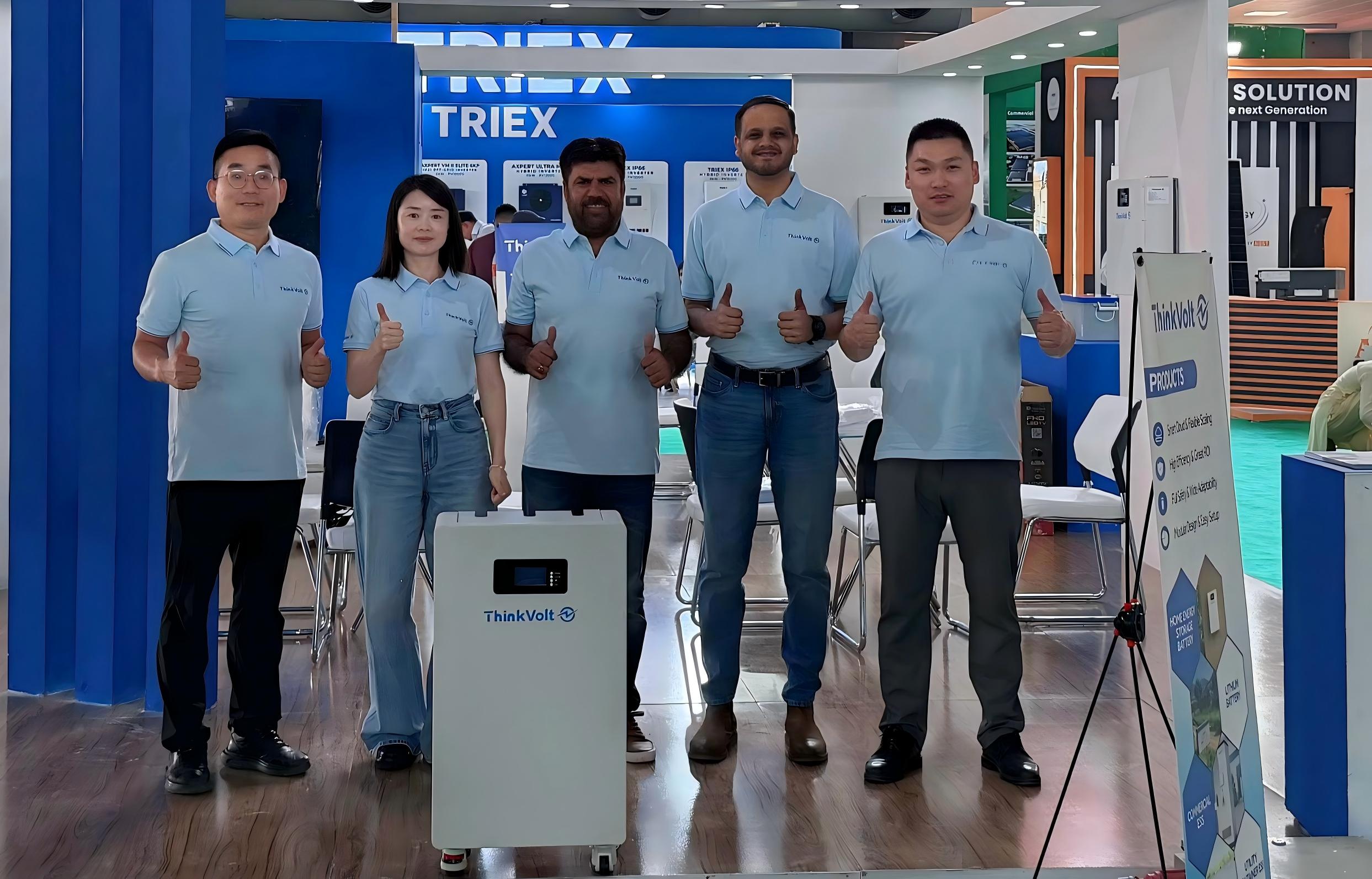
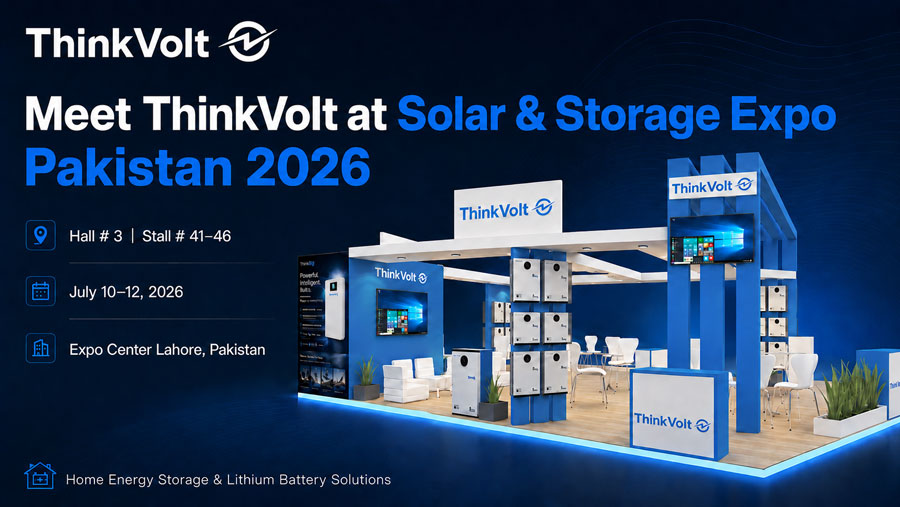
Every market has its own operating conditions and customer priorities. By meeting people face to face, we gained a clearer understanding of the practical questions that arise when customers in Pakistan evaluate home energy storage batteries.
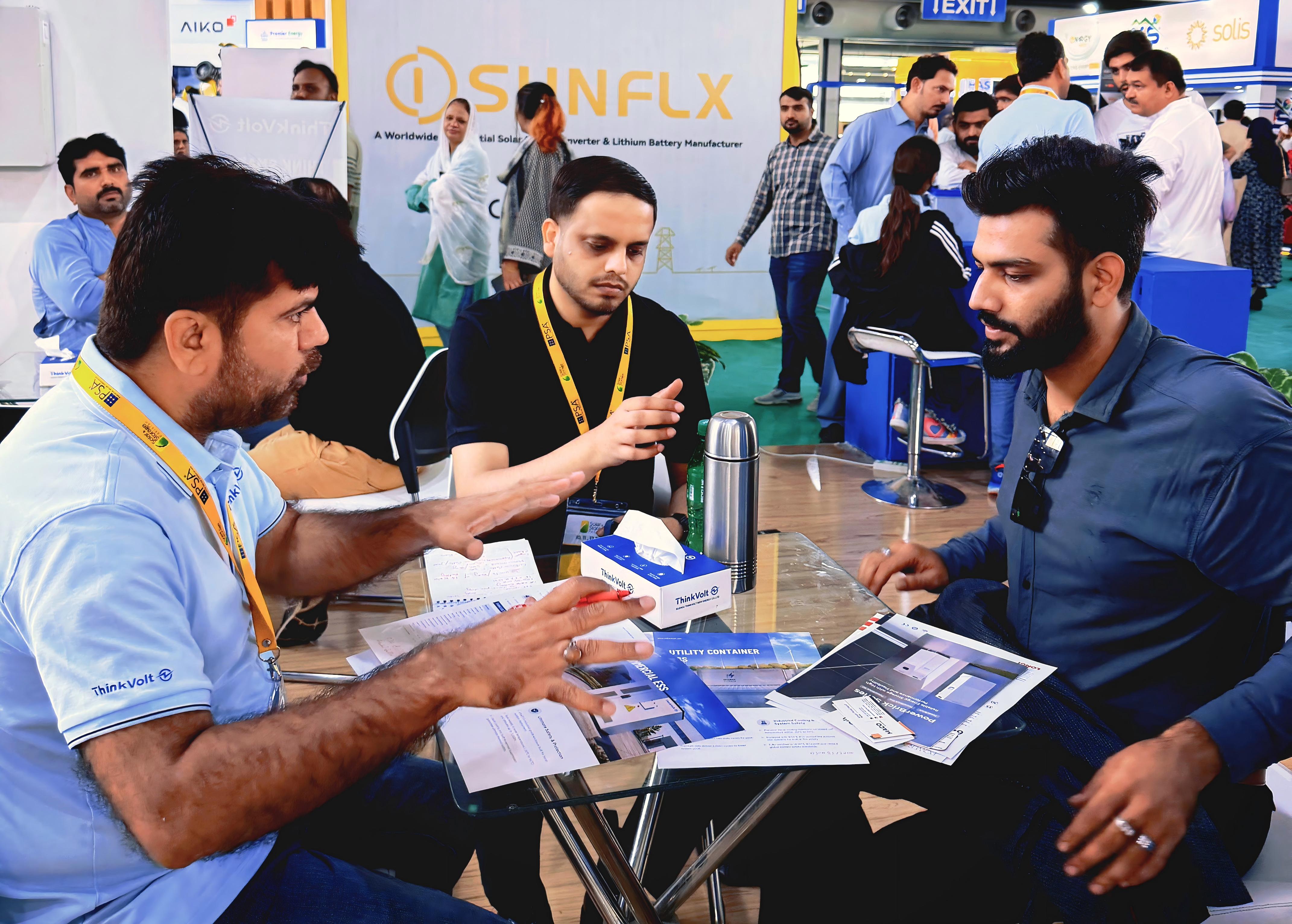
For many customers, an energy storage system first needs to provide reliable power when it is needed.
A long list of functions may look impressive, but customers also want to know whether the battery can support their actual household loads, work consistently with the solar system, and provide dependable backup power during an outage.
This means battery selection should begin with the application. The required capacity and output power will depend on which appliances need to remain operational, how long backup power is required, and whether the battery will be charged mainly by solar panels, the grid, or both.
Understanding these conditions is essential before recommending a particular battery model.
A battery does not operate independently. Its voltage, charge and discharge current, communication protocol, and control settings must be compatible with the inverter and the rest of the solar system.
During product discussions, it is therefore important to look beyond battery capacity. Customers and installers also need to consider:
the inverter brand and model;
nominal system voltage;
continuous and peak power requirements;
CAN or RS485 communication;
maximum charging and discharging current;
installation environment;
possible future expansion.
Confirming these details early helps reduce compatibility problems and makes installation more efficient.
Home energy storage products are available in wall-mounted, rack-mounted, and floor-standing designs. Each option suits a different installation environment.
A wall-mounted battery can help save floor space, while rack-mounted batteries are convenient for modular configurations. Floor-standing products may be suitable when customers want a clean, integrated appearance and straightforward installation.
Customers may also need to expand their systems in the future. In this case, the number of batteries that can be connected in parallel, the communication method, and the available installation space should all be considered from the beginning.
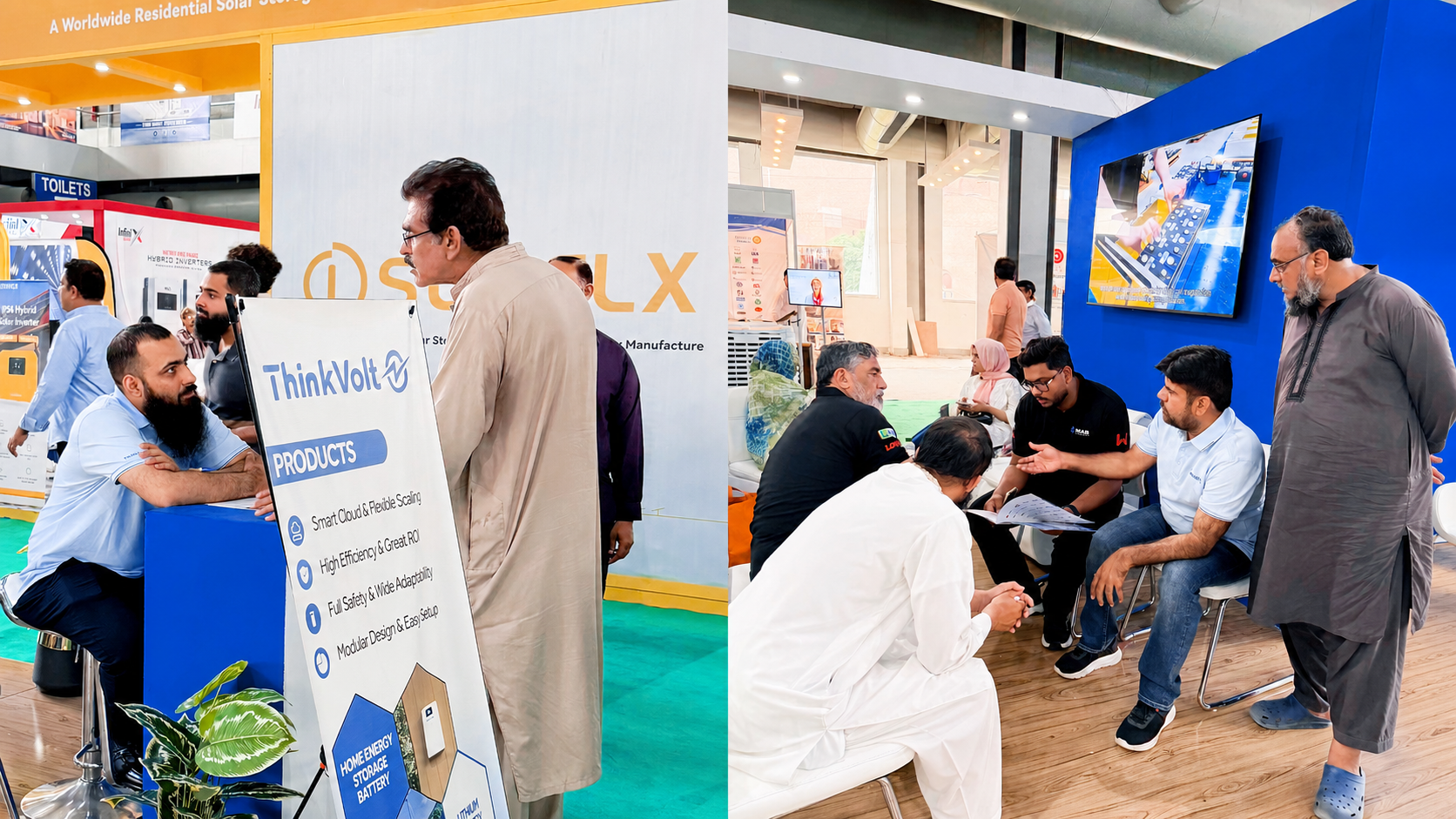
Customers and installers need clear information before deciding whether a battery is suitable for a project.
In addition to basic specifications, useful product information should explain compatible applications, installation requirements, communication options, safety protections, operating conditions, and warranty terms.
For distributors and installers, accurate technical documents are particularly important because they need to explain the products to their own customers and provide support during installation.
Clear communication before an order can prevent misunderstandings later and help all parties make better decisions.
The exhibition reminded us that a suitable energy storage solution cannot be developed around product specifications alone. It must also reflect the customer’s actual loads, solar system, installation environment, budget, and expectations for future expansion.
The conversations we had in Lahore provided useful insights into how local customers approach energy storage selection. They will help ThinkVolt continue improving the way we communicate product information, understand project requirements, and support customers in Pakistan.
ThinkVolt will continue communicating with customers, installers, distributors, and project developers to better understand their energy storage requirements.
If you are planning a home solar system, backup power solution, or energy storage project in Pakistan, contact ThinkVolt with information about your inverter, loads, required backup time, and installation conditions. Our team will help you identify a suitable battery solution.