Marcus’s "Silent Goldmine": The Energy Revolution in a Palm Oil Mill
2025-08-21
For distributors and installers, choosing an energy storage supplier is not only about finding a competitive product.
The supplier must also provide consistent product quality, clear technical information, responsive communication, reliable delivery, and practical support when questions arise during installation or after-sales service.
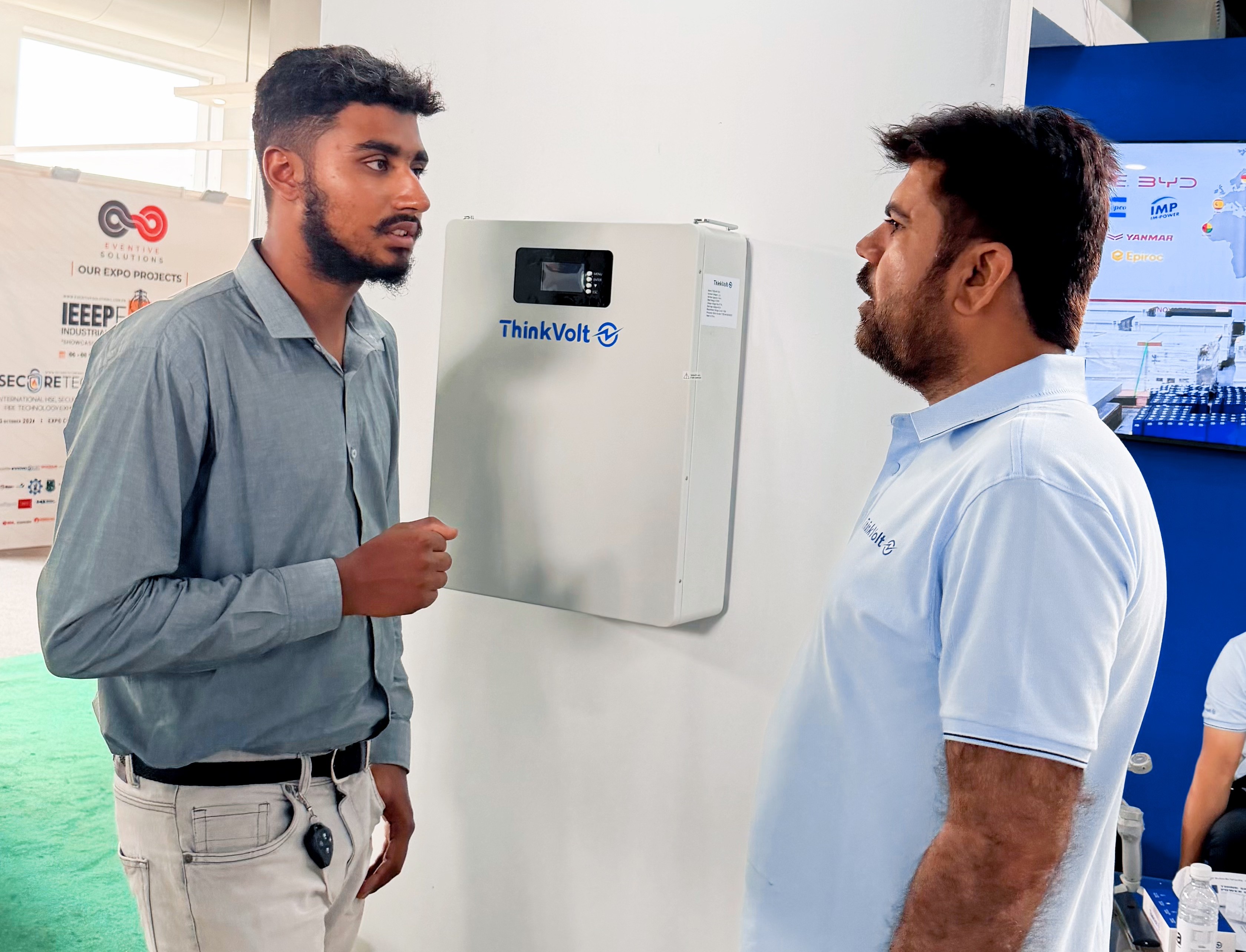
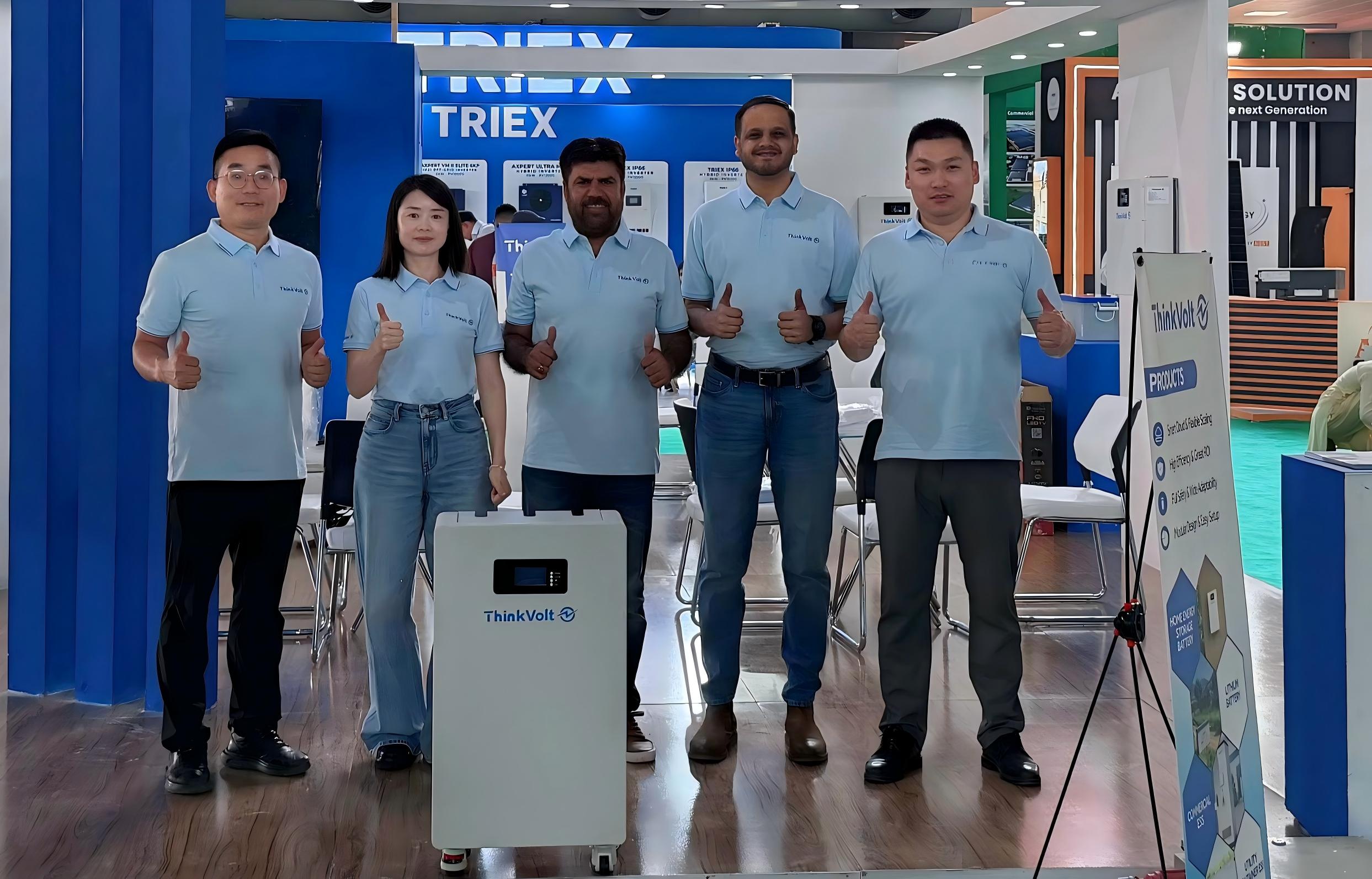
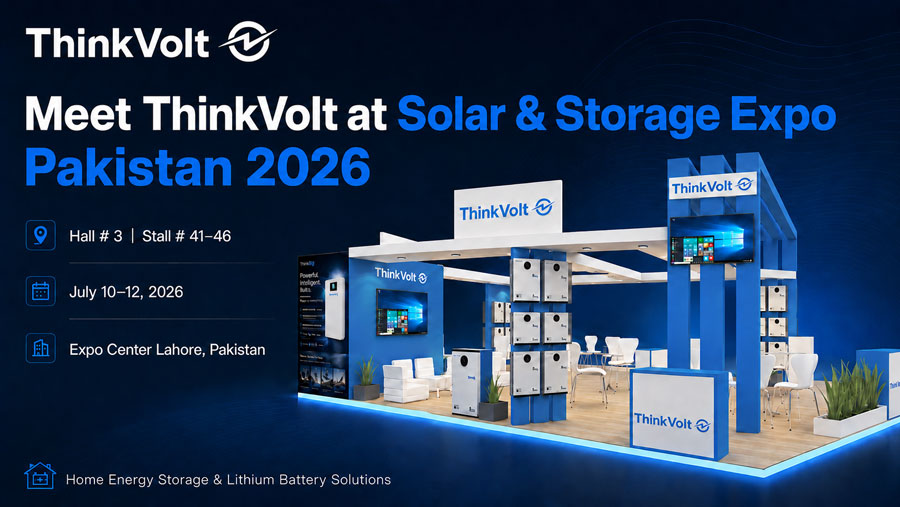
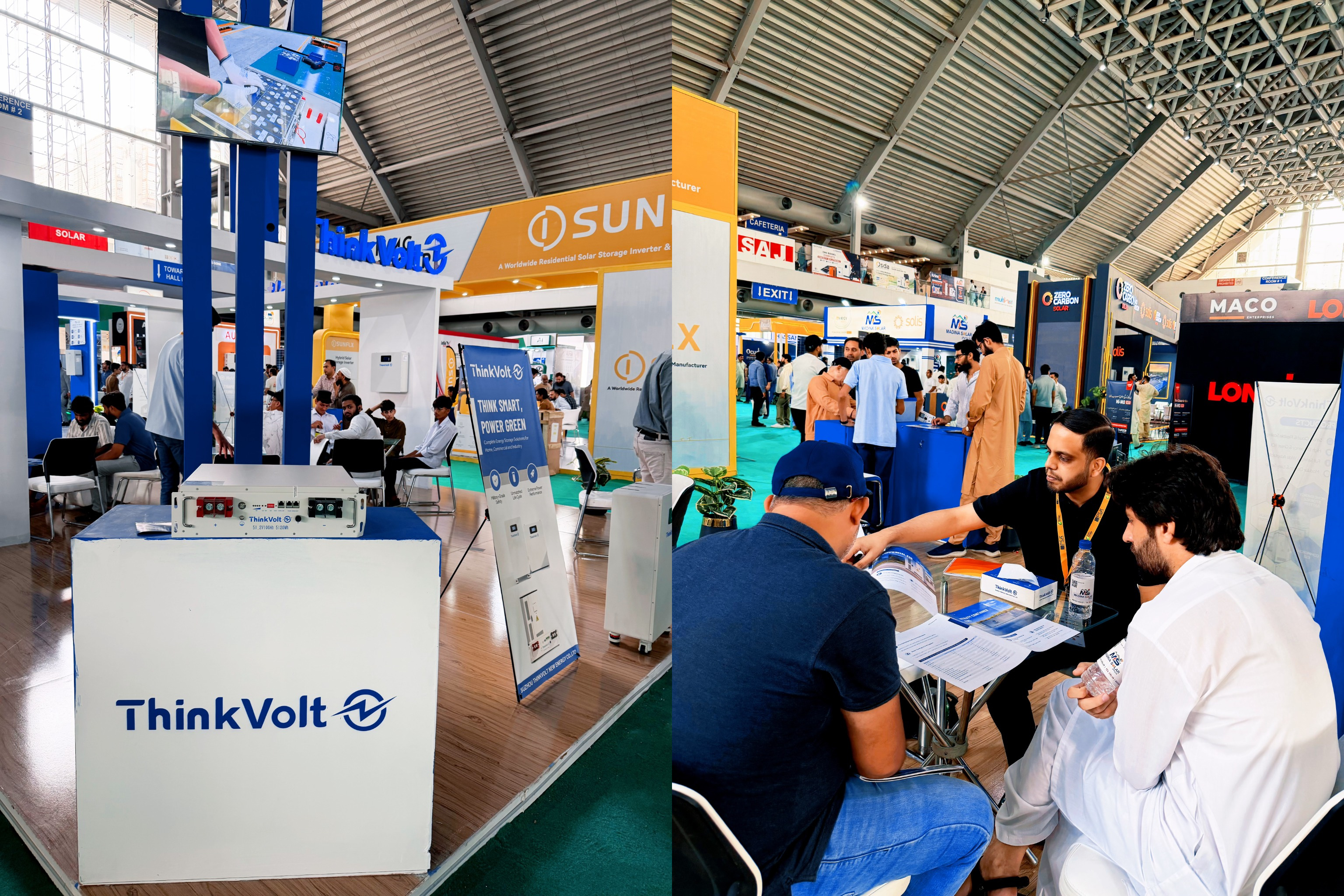
At Solar & Storage Expo Pakistan 2026, ThinkVolt met local solar professionals and potential partners to discuss products, applications, and cooperation. These conversations highlighted several factors that matter when evaluating a long-term energy storage supplier.
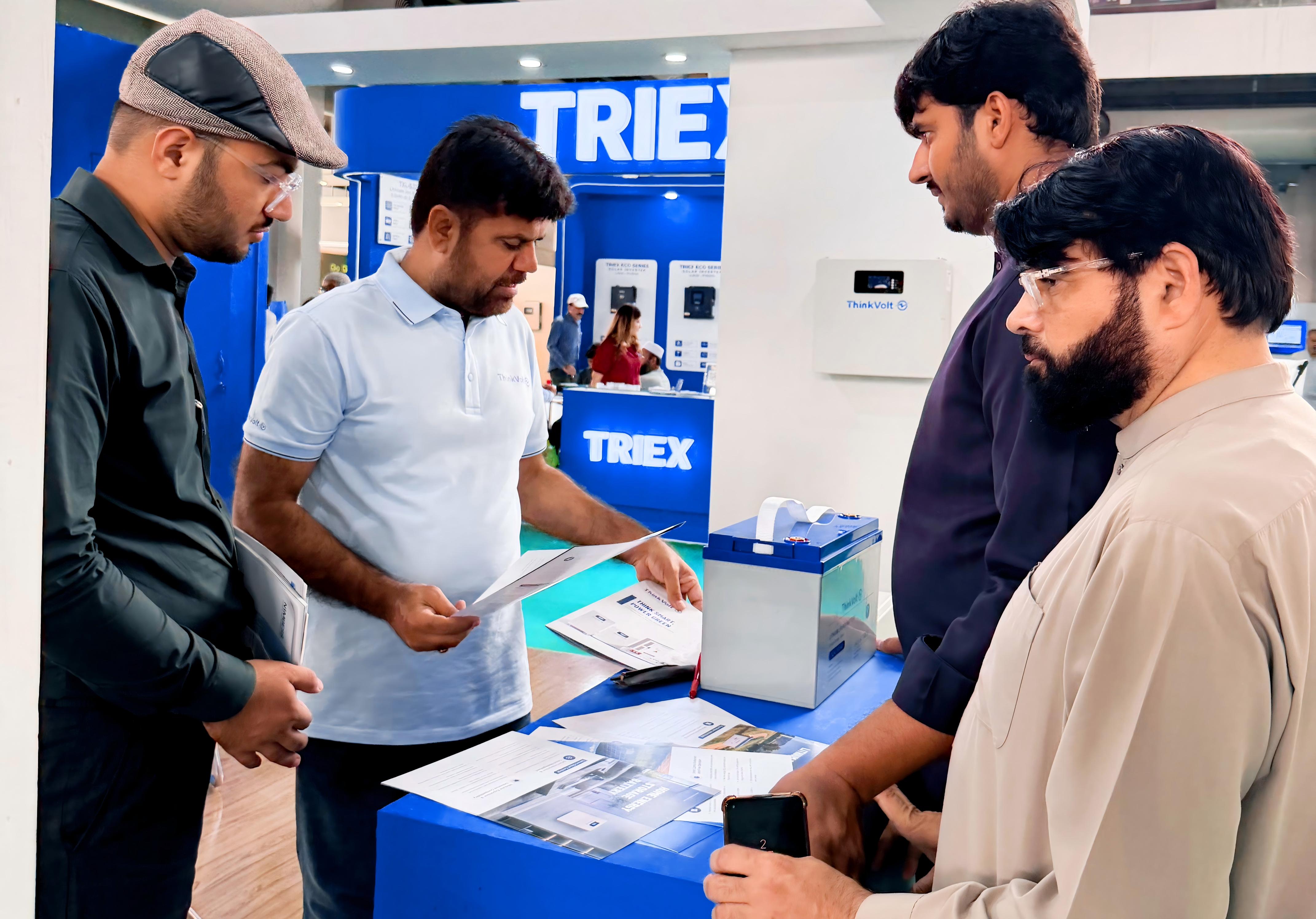
Distributors rarely serve only one type of customer. Some customers may need a compact wall-mounted battery for a home solar system, while others require rack-mounted products for modular expansion or floor-standing batteries for a different installation environment.
A useful product range should cover different:
capacities and power requirements;
installation formats;
residential and off-grid applications;
inverter compatibility requirements;
expansion possibilities;
customer budgets.
A broader selection allows distributors and installers to recommend products based on actual applications rather than trying to use one model for every project.
Clear documentation is essential for both sales and installation.
Distributors need accurate specifications to prepare quotations and explain product differences. Installers need wiring diagrams, communication information, installation instructions, and recommended operating settings.
If information changes between brochures, datasheets, labels, and technical replies, it can create confusion for the distributor and the end customer.
A reliable supplier should therefore provide consistent and easy-to-understand materials for each product.
Many technical issues can be prevented by confirming system information before the order is placed.
The supplier should ask for details such as the inverter model, load requirements, installation method, communication protocol, and expected system capacity. This helps ensure that the recommended battery is suitable for the project.
After delivery, installers may still need assistance with communication settings, wiring, system commissioning, or troubleshooting. Fast and accurate technical responses can reduce installation delays and improve the end customer's experience.
Distributors build their reputation around the products they sell. If battery performance, appearance, accessories, packaging, or documentation varies between orders, the distributor may face additional costs and customer complaints.
Consistency is therefore an important part of supplier evaluation.
Partners should understand how the supplier controls product quality, records test results, manages production, and handles any non-conforming products. They should also discuss expected lead times, order planning, packaging, and shipping arrangements.
Reliable supply does not mean that every order can be delivered immediately. It means the supplier communicates clearly, provides realistic schedules, and maintains consistency between what was agreed and what is delivered.
A warranty is useful only when the process behind it is clear.
Before beginning cooperation, distributors should understand:
the warranty period;
what the warranty covers;
what information is required when reporting a problem;
whether photos, videos, error codes, or operating data are needed;
how technical analysis will be conducted;
what solutions may be available after confirmation.
A structured after-sales process helps both the supplier and distributor identify problems more efficiently and respond to customers with greater confidence.
Long-term cooperation should create value for both sides.
In addition to supplying batteries, an energy storage supplier can support partners through product materials, technical information, application guidance, and timely communication.
At the same time, local distributors and installers provide valuable market knowledge. They understand common inverter brands, customer budgets, installation practices, sales channels, and local service expectations.
When both sides share information openly, they can make better product and market decisions together.
Price will always be part of a purchasing decision, but it should not be the only factor.
A slightly lower purchase price may not create real savings if the product causes installation delays, compatibility problems, unclear warranty cases, or repeated customer complaints.
The more useful question is whether the supplier can help the distributor deliver a reliable solution to the end customer.
ThinkVolt welcomes conversations with solar distributors, installers, system integrators, and project developers in Pakistan. If you are looking for energy storage products or exploring a potential partnership, contact our team to discuss your market, customer groups, and product requirements.