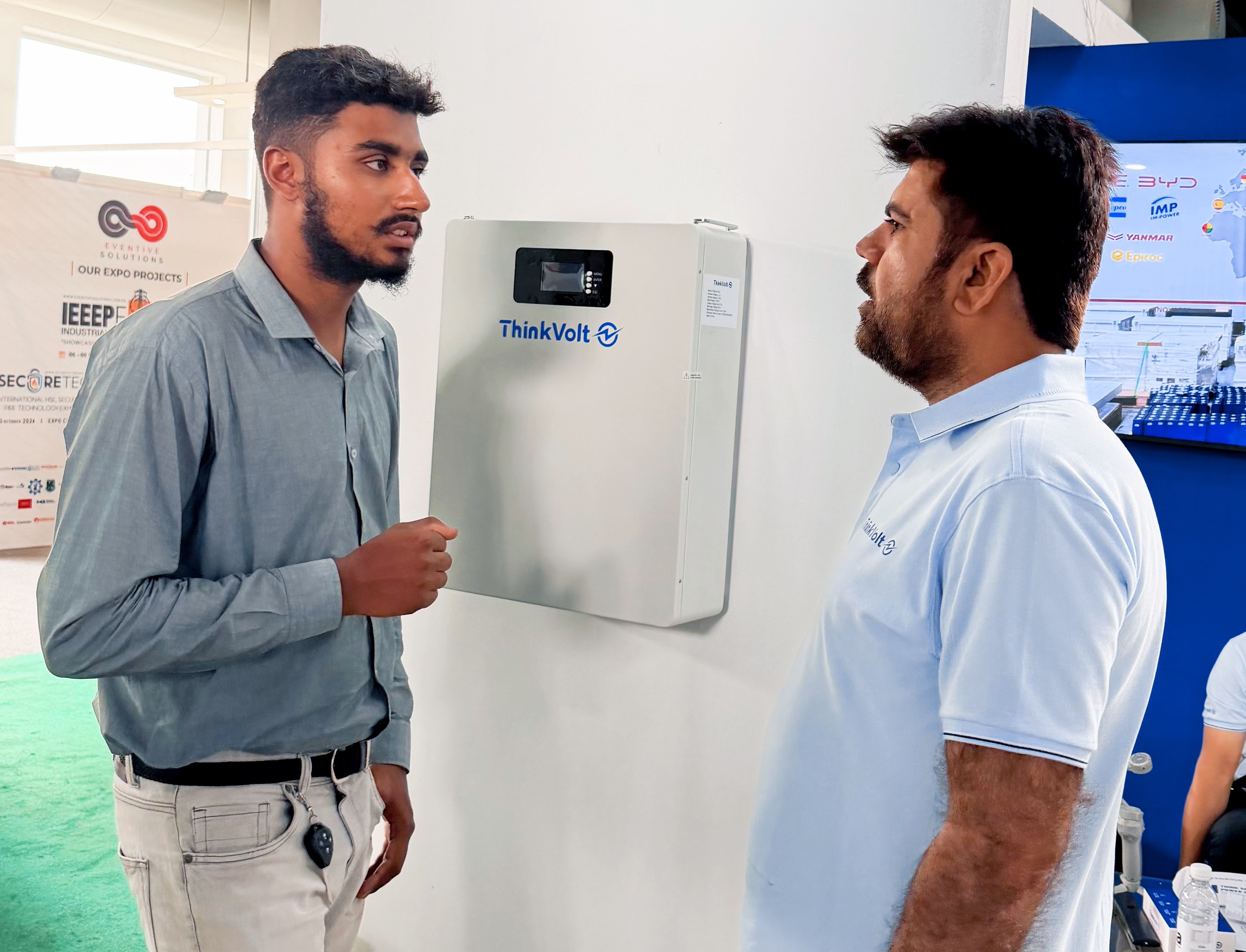
ThinkVolt at Solar & Storage Expo Pakistan 2026: Connecting with Pakistan’s Energy Storage Market
2026-07-23
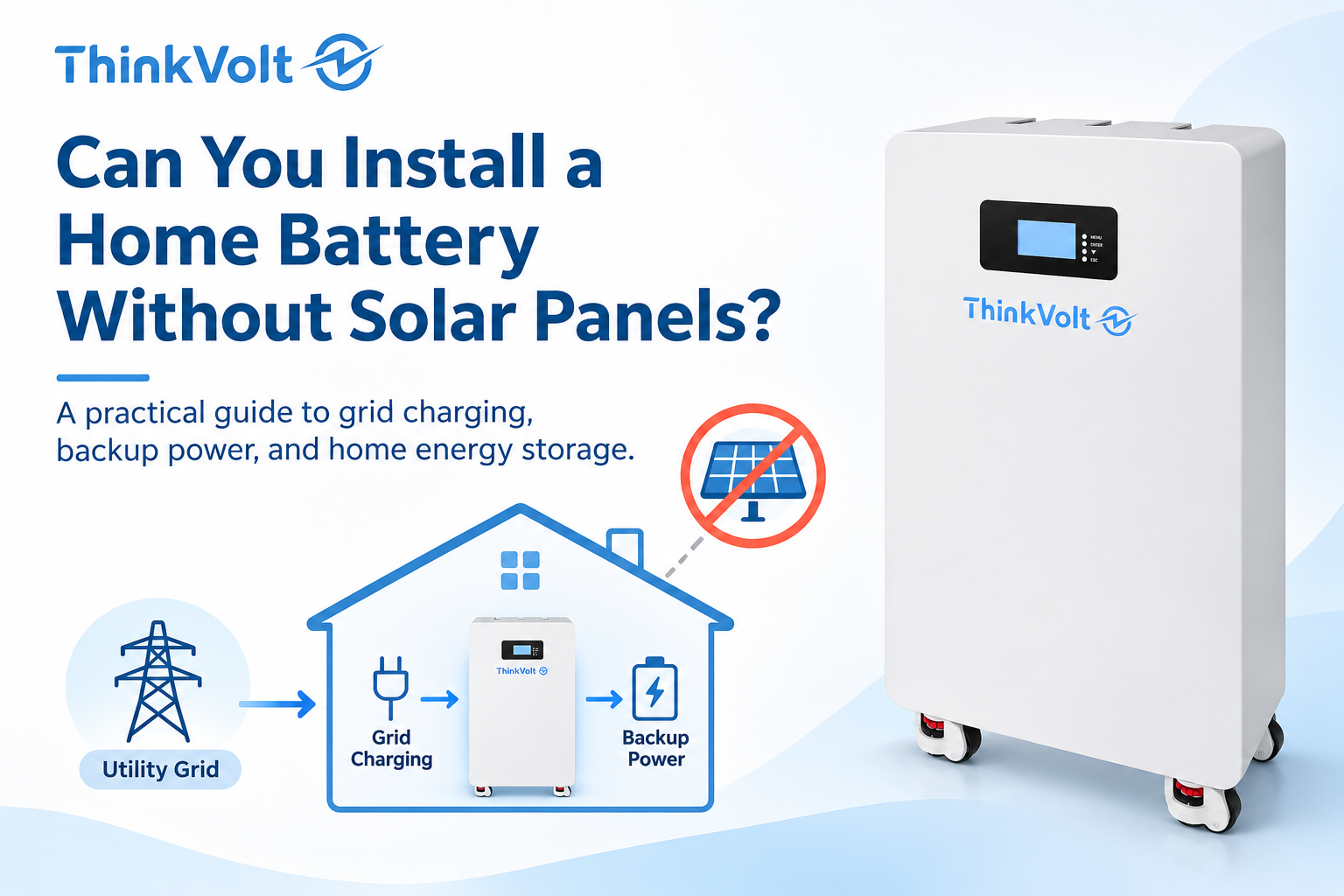
Yes, you can install a home battery without solar panels if the battery and inverter system supports grid charging. Whether it can provide backup power or reduce electricity costs depends on the system design, your electricity tariff, your household loads, and local installation rules.
A home battery stores electricity rather than generating it. Without solar panels, it normally charges from the grid and supplies stored energy later. That can be useful for backup or time-of-use electricity plans, but it is not automatically the right investment for every home.
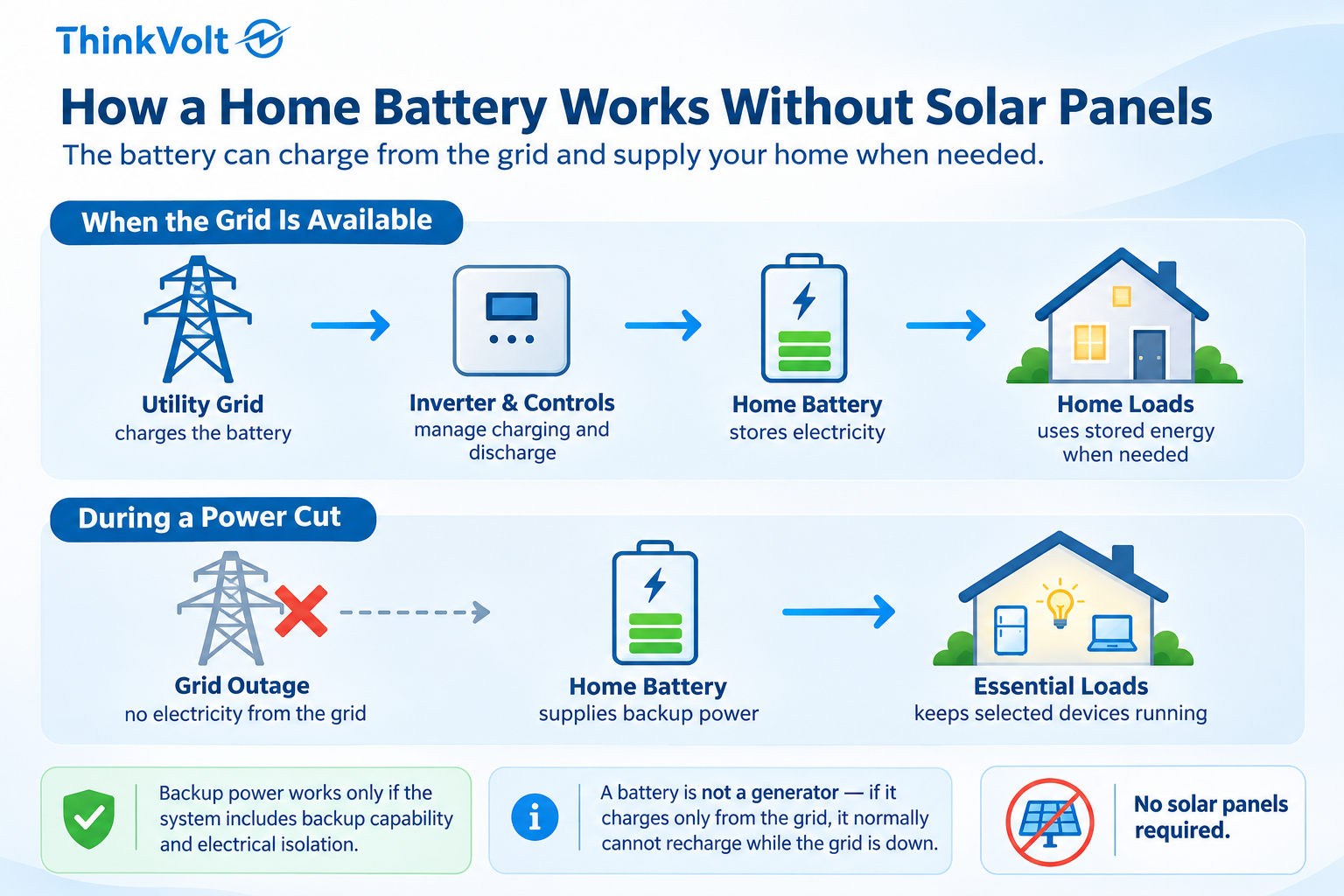
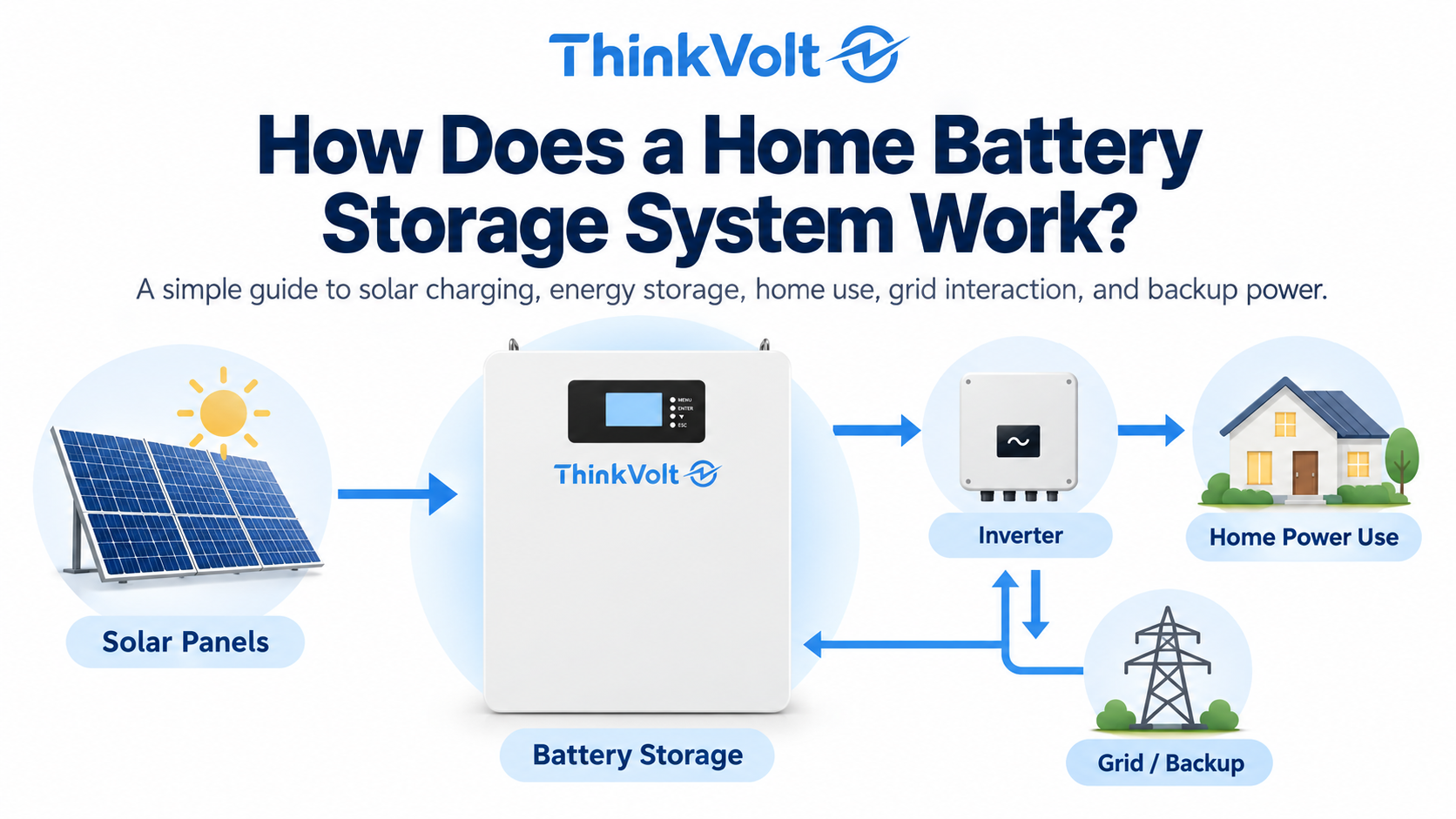
When the grid is available, a compatible battery system can charge from utility electricity. The inverter converts energy between the battery’s DC supply and the AC electricity used by household appliances. Controls determine when the battery charges and when it supplies the home.
A battery can supply backup power only if the system includes the required backup capability and electrical isolation. A standard grid-connected battery may shut down during an outage for safety. Ask the installer which circuits remain powered, whether switching is automatic, and what output is available.
A battery stores energy that was generated elsewhere. If it is charged only from the grid, it generally cannot recharge while the grid is down. Solar panels or a compatible generator may provide another charging source, but the equipment must be designed for it.
A standalone battery may suit homes with frequent short outages or essential loads that need to keep running. Prioritise the refrigerator, lights, communications equipment, selected outlets, or other genuinely critical loads rather than assuming the battery can run everything.
If your utility offers time-of-use pricing, a compatible battery can charge when rates are low and discharge during more expensive periods. The value depends on the rate difference, charging schedule, energy losses, battery cycling, and installed cost.
A roof may be shaded, unsuitable, rented, or restricted by building rules. Installing a battery first can be an option if the system is designed with future solar integration in mind. Confirm this before buying; not every battery and inverter combination can be expanded in the same way.
A battery-only system may be difficult to justify if electricity prices are flat, outages are rare, installation costs are high, or the household uses little power during expensive tariff periods. Compare the expected savings with the full installed cost rather than relying on a generic payback claim.
This is designed to charge from the grid without a solar array. Check whether the inverter is integrated or separate, whether backup is included, and whether the system can be configured for the intended tariff and local grid requirements.
A hybrid inverter can manage battery, grid, and solar flows in a coordinated system. It may be a sensible choice if you expect to add solar later, but future compatibility, available PV inputs, voltage limits, and approved operating modes must be verified for the exact model.
Portable units can be useful for selected devices and temporary backup, while a permanently installed system may support selected household circuits or a broader set of loads. They are not interchangeable by default: capacity, output, transfer arrangements, wiring, and local rules differ.
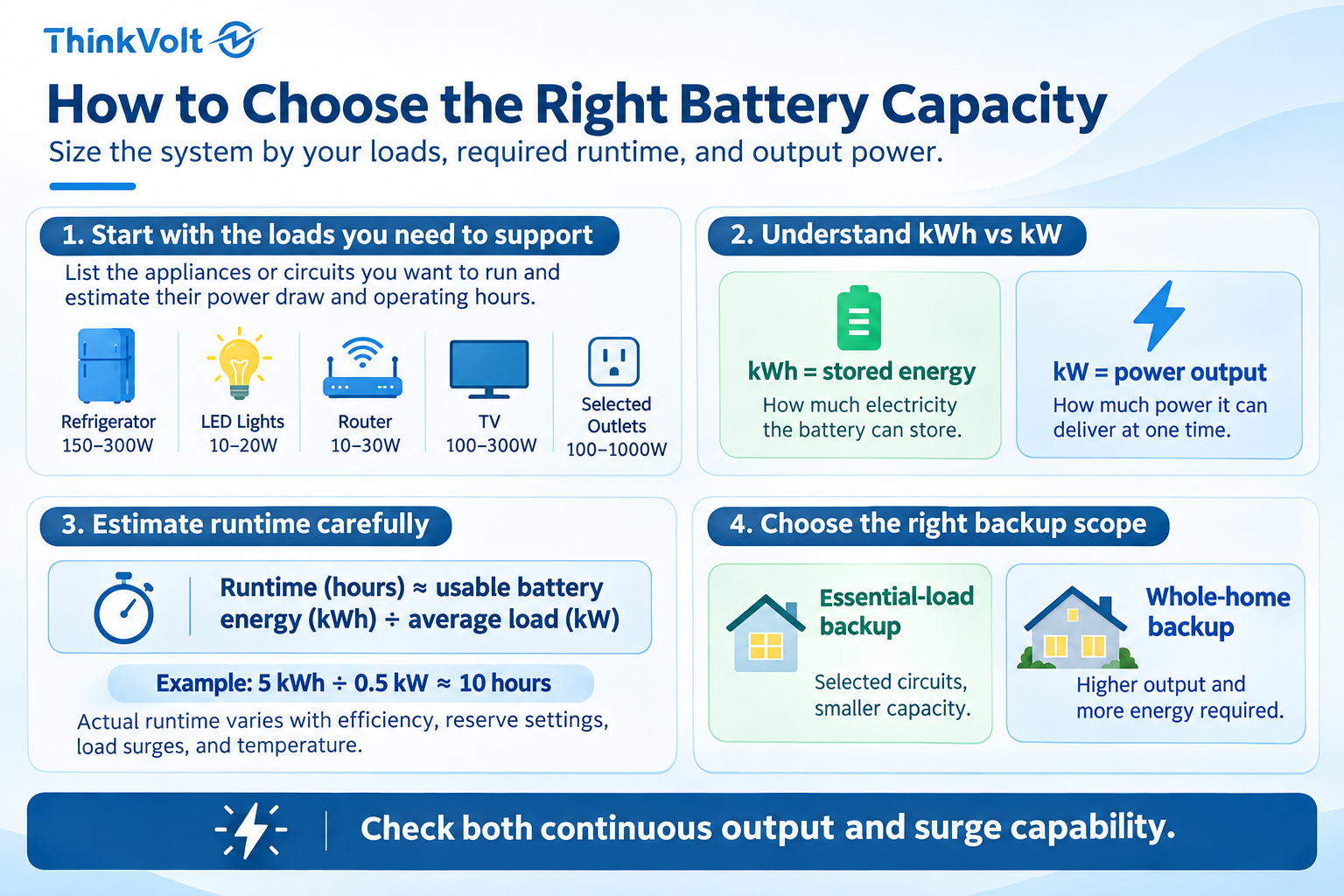
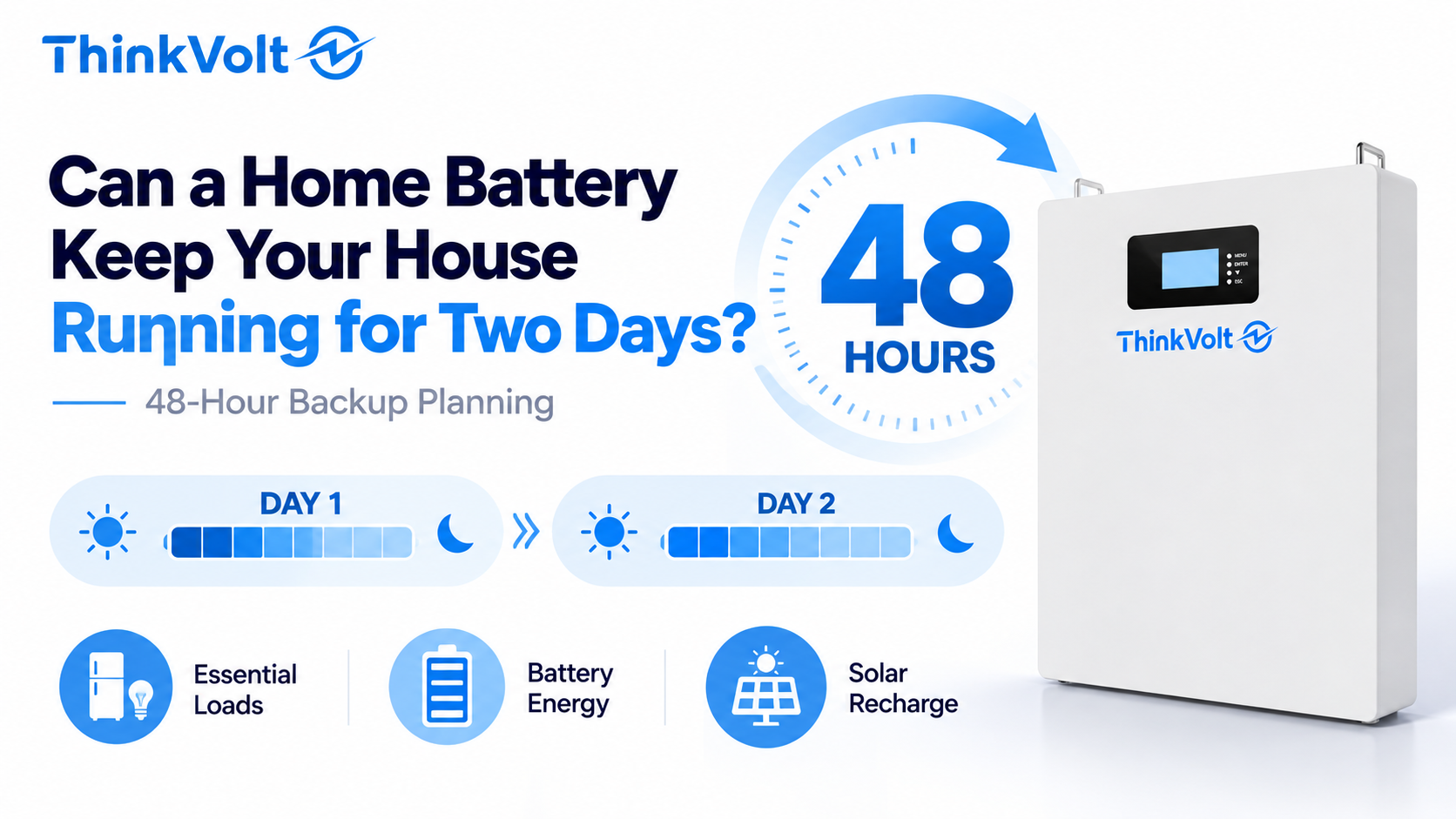
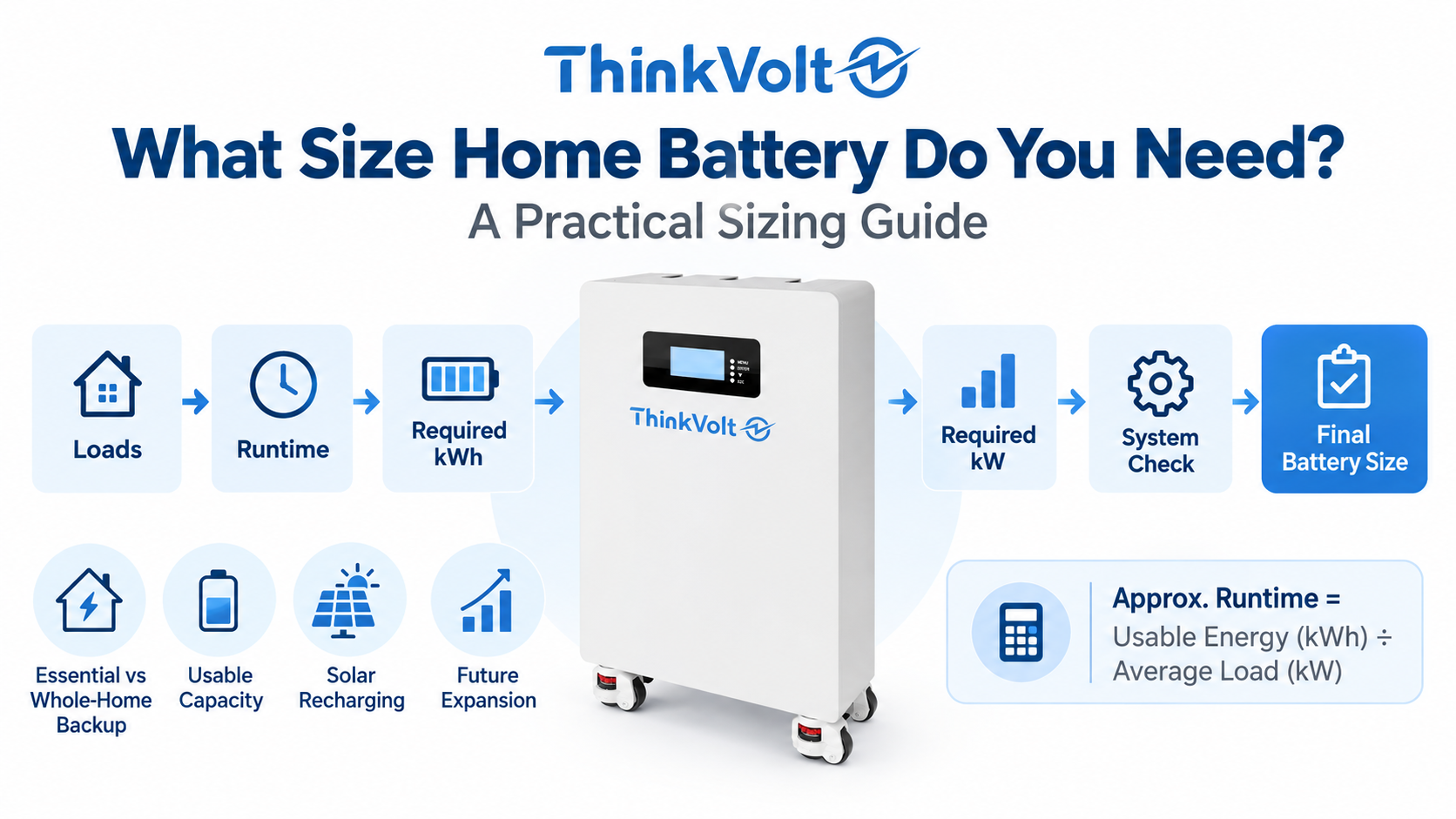
List the appliances or circuits you want to run and estimate their power draw and operating hours. Multiply power in kilowatts by hours of use to estimate energy in kilowatt-hours (kWh), then add the loads together. Use measured consumption where possible.
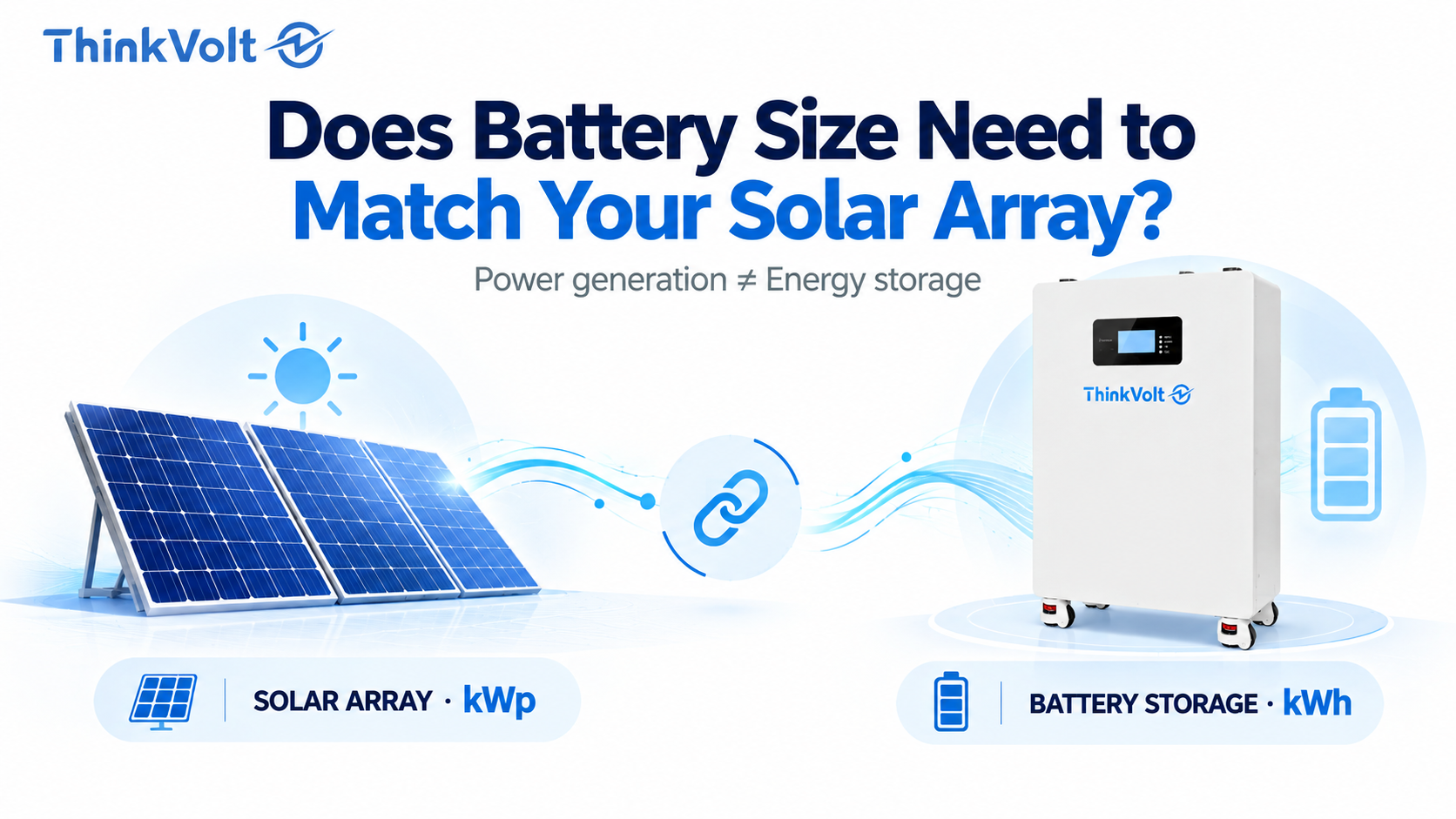
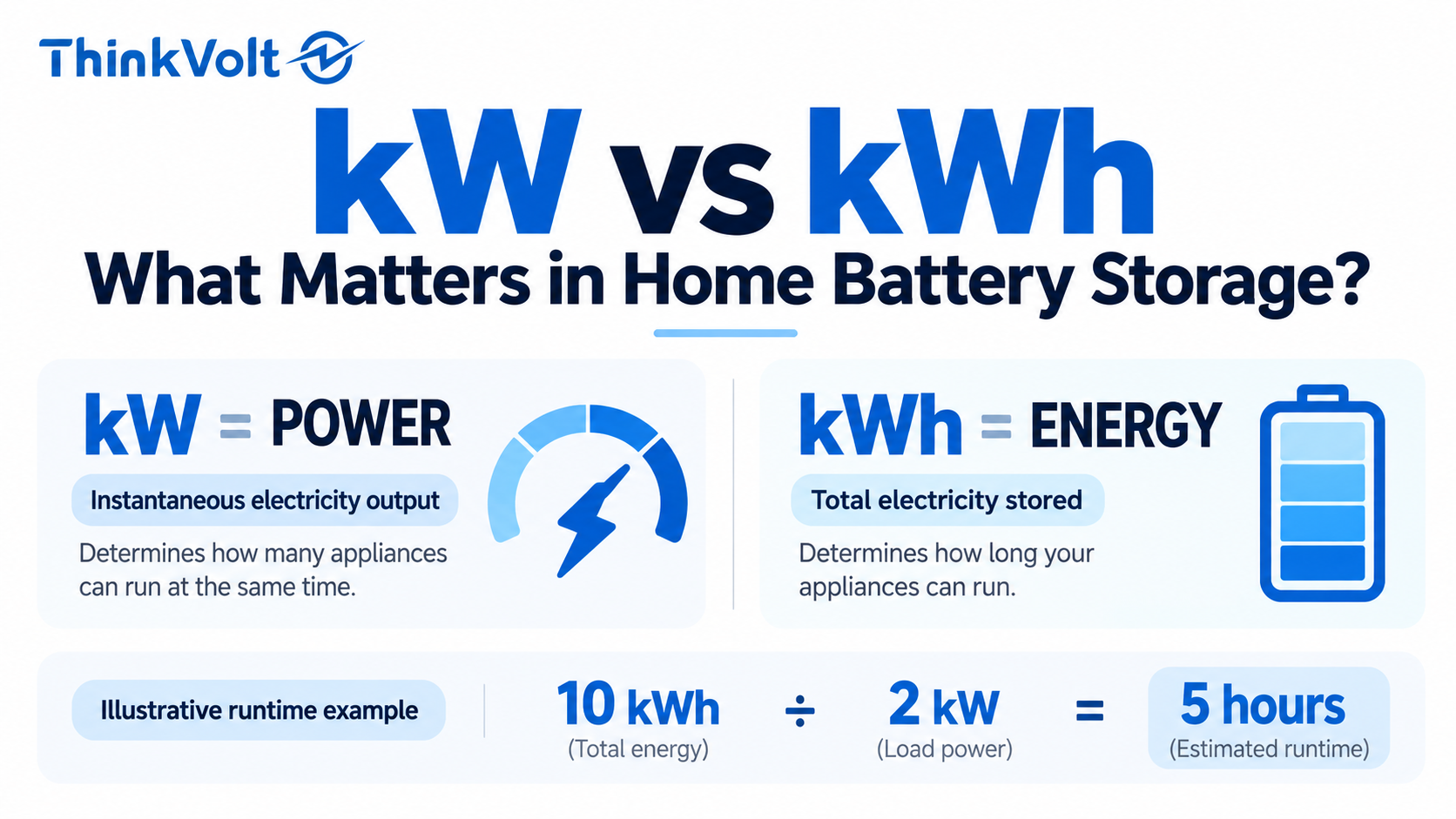
Kilowatt-hours describe how much energy a battery stores; kilowatts describe how much power it can deliver at a given time. A battery may have enough stored energy for several hours but still be unable to start or run a high-power appliance if its inverter output is too low.
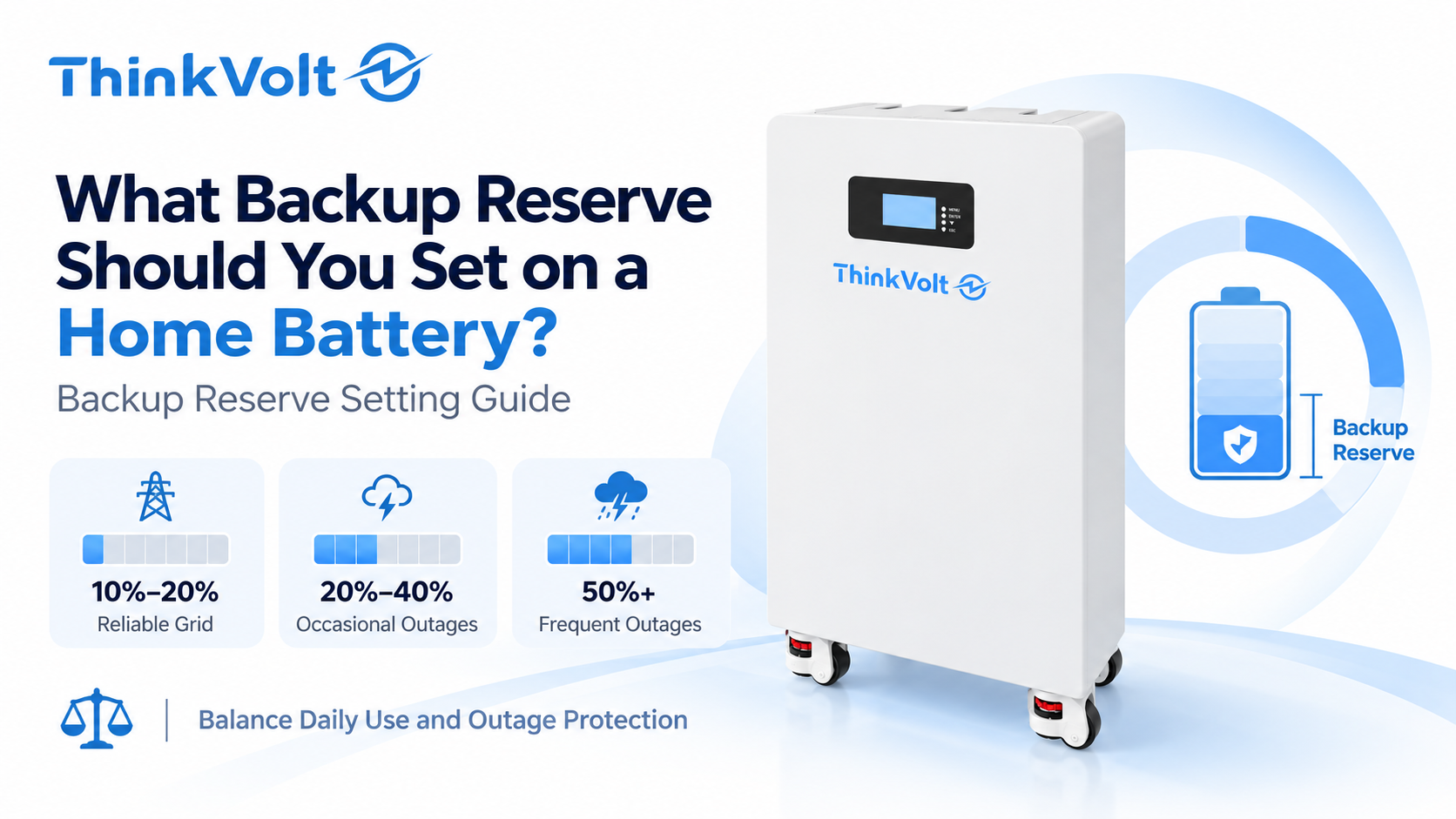
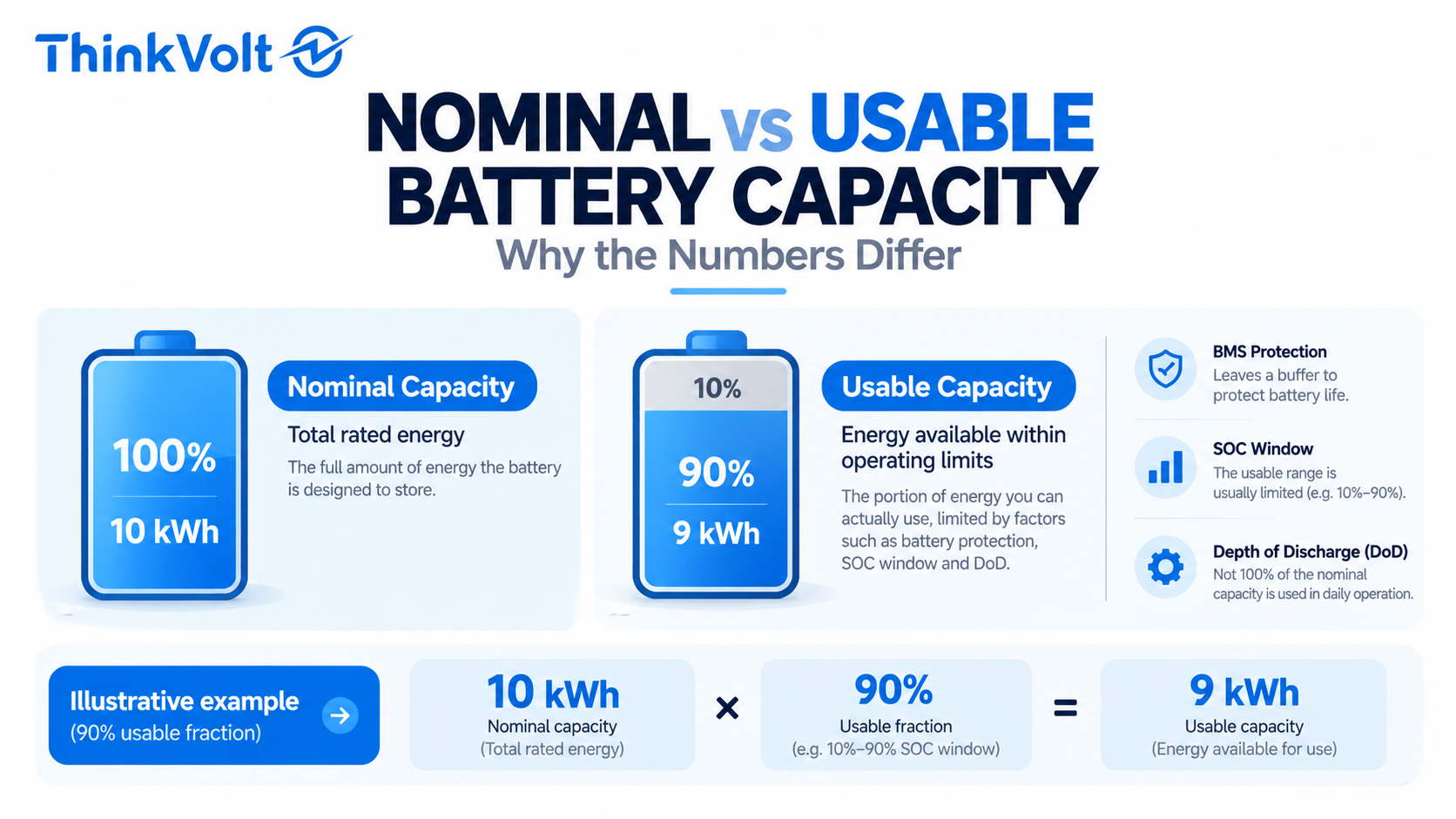
A useful first estimate is: runtime (hours) ≈ usable battery energy (kWh) ÷ average load (kW). For example, if a system has 5 kWh of usable energy and the supported loads average 0.5 kW, the simple estimate is about 10 hours. Actual runtime will vary with conversion losses, reserve settings, load surges, temperature, and battery condition.
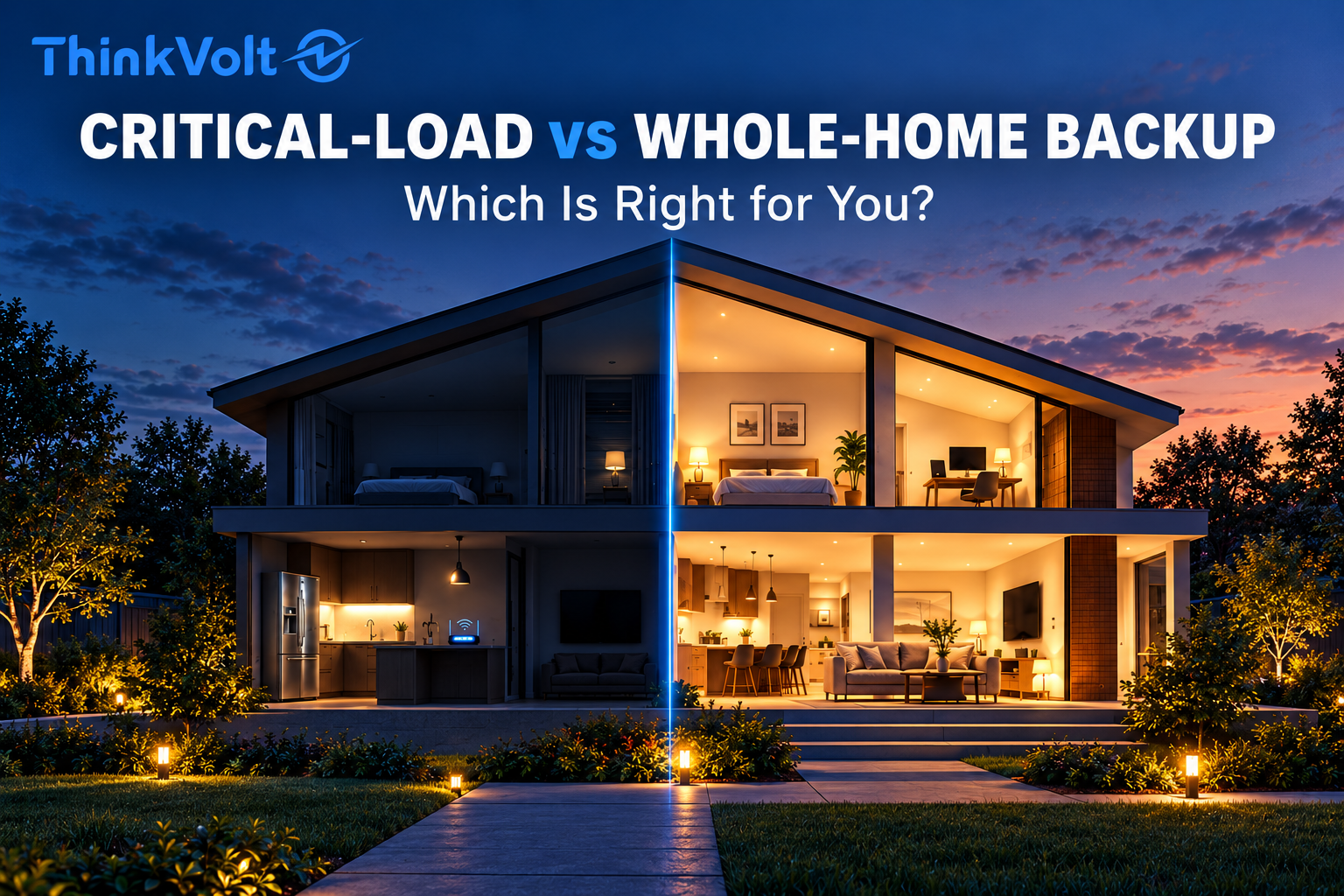
Essential-load backup focuses on selected circuits and can reduce the capacity required. Whole-home backup may require greater power output and more energy, particularly where electric heating, cooking, air conditioning, pumps, or EV charging are involved. Confirm both continuous output and surge capability.
Savings are most plausible when the battery can consistently charge at a lower rate and replace electricity that would otherwise be purchased at a higher rate. A simple estimate of value per delivered kWh is the peak price avoided minus the off-peak charging price adjusted for round-trip efficiency.
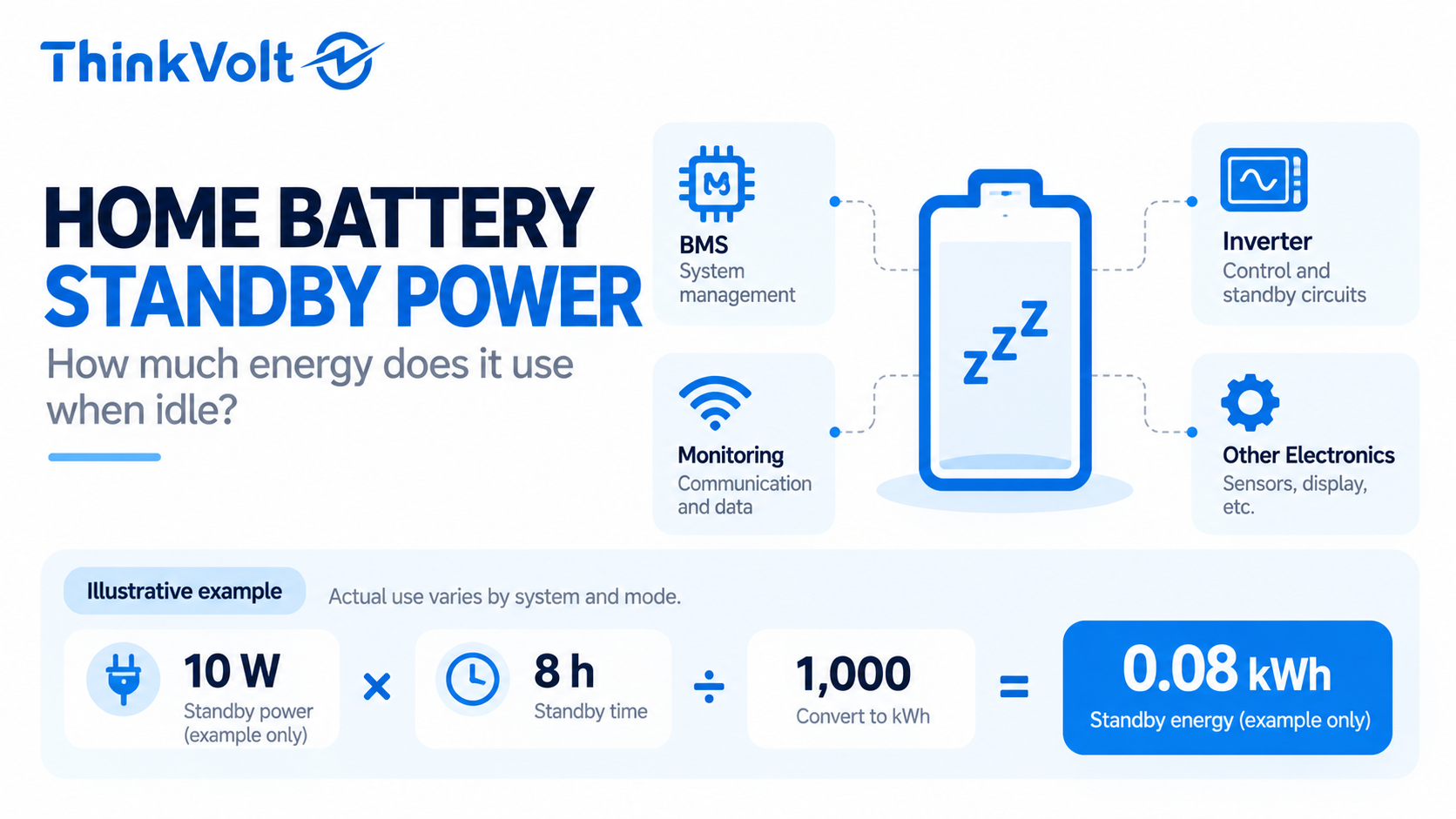
Not all electricity used to charge a battery is delivered to the home. Standby consumption, conversion losses, battery ageing, tariff standing charges, installation, and possible electrical upgrades affect the result. Use the actual tariff terms and a realistic daily charging pattern.
Exporting stored electricity to the grid may be restricted, unavailable, or subject to different rates and approvals. Do not include export revenue in a financial estimate until the utility rules, system settings, and tariff have been confirmed.
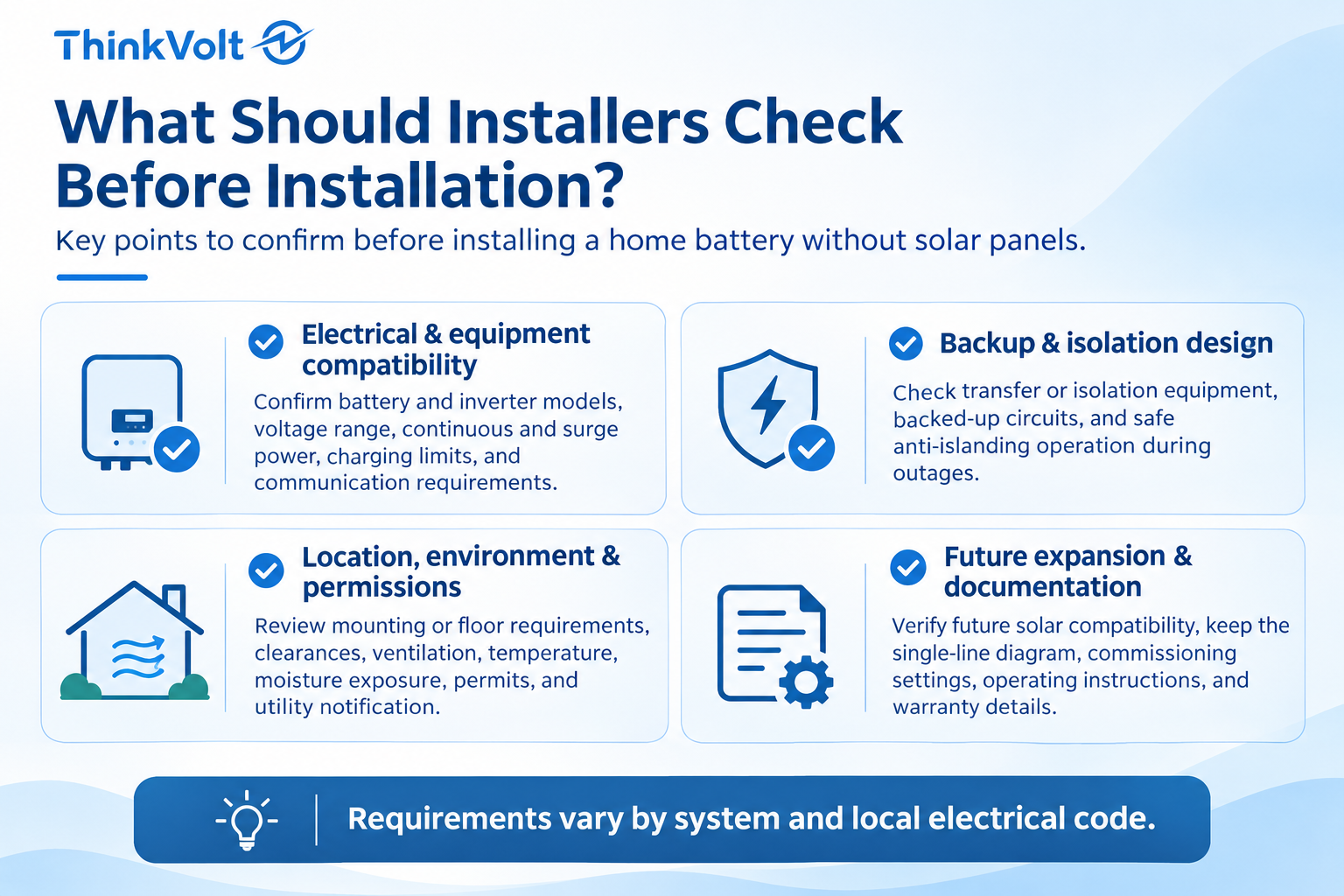
Confirm the exact battery and inverter models, voltage range, continuous and surge power, charging limits, communication requirements, protective devices, and whether the manufacturer supports grid-only charging and backup operation.
For backup, the installation must prevent the system from energising the utility network during an outage. The design may require transfer or isolation equipment and a dedicated backed-up circuit board. The correct arrangement depends on the system and local electrical code.
Check mounting or floor requirements, clearances, ventilation, ambient temperature, moisture exposure, access for maintenance, and the manufacturer’s installation manual. Grid connection, permits, utility notification, and approved installer requirements vary by jurisdiction.
If solar may be added later, record the intended future configuration and verify the compatible PV and inverter limits in writing. Keep the approved single-line diagram, commissioning settings, operating instructions, and warranty conditions.
Once the stored energy is depleted, a grid-only battery usually has to wait for utility power to return. A larger battery extends runtime but also increases cost and may still be insufficient for high loads over several days.
A battery does not create free electricity. If there is no meaningful difference between charging and discharging prices, conversion losses can reduce or eliminate potential savings.
A battery’s presence on a product list does not prove it will work with every inverter, tariff control, backup circuit, or local grid. Confirm the complete configuration rather than relying on the battery specification alone.
If panels may be installed later, tell the installer before selecting the battery and inverter. Ask whether the planned system supports the intended PV array, future charging control, expansion capacity, and backup loads.
Installing battery and solar together may reduce duplicated labour or equipment in some projects; installing in stages may spread the initial expense. Compare itemised quotes for both routes and include any inverter replacement that a later upgrade could require.
Ask whether the system can charge from the grid without PV, which circuits are backed up, the usable energy and continuous output, the expected runtime for your loads, the charging schedule, the round-trip efficiency, and the installed price.
Ask who handles permits and utility notifications, which local approvals apply, what the warranty covers, and whether the battery, inverter, installation work, and backup equipment have separate terms. Request the current documentation for the exact model.
Yes. A compatible system can charge from the grid, but backup and tariff-control functions depend on the equipment and installation.
Only if the system is designed and installed for backup operation, including suitable isolation and supported loads. Grid charging alone does not guarantee outage backup.
Potentially, if a suitable time-of-use tariff creates a large enough price difference to cover energy losses and system costs. Calculate savings using your actual tariff.
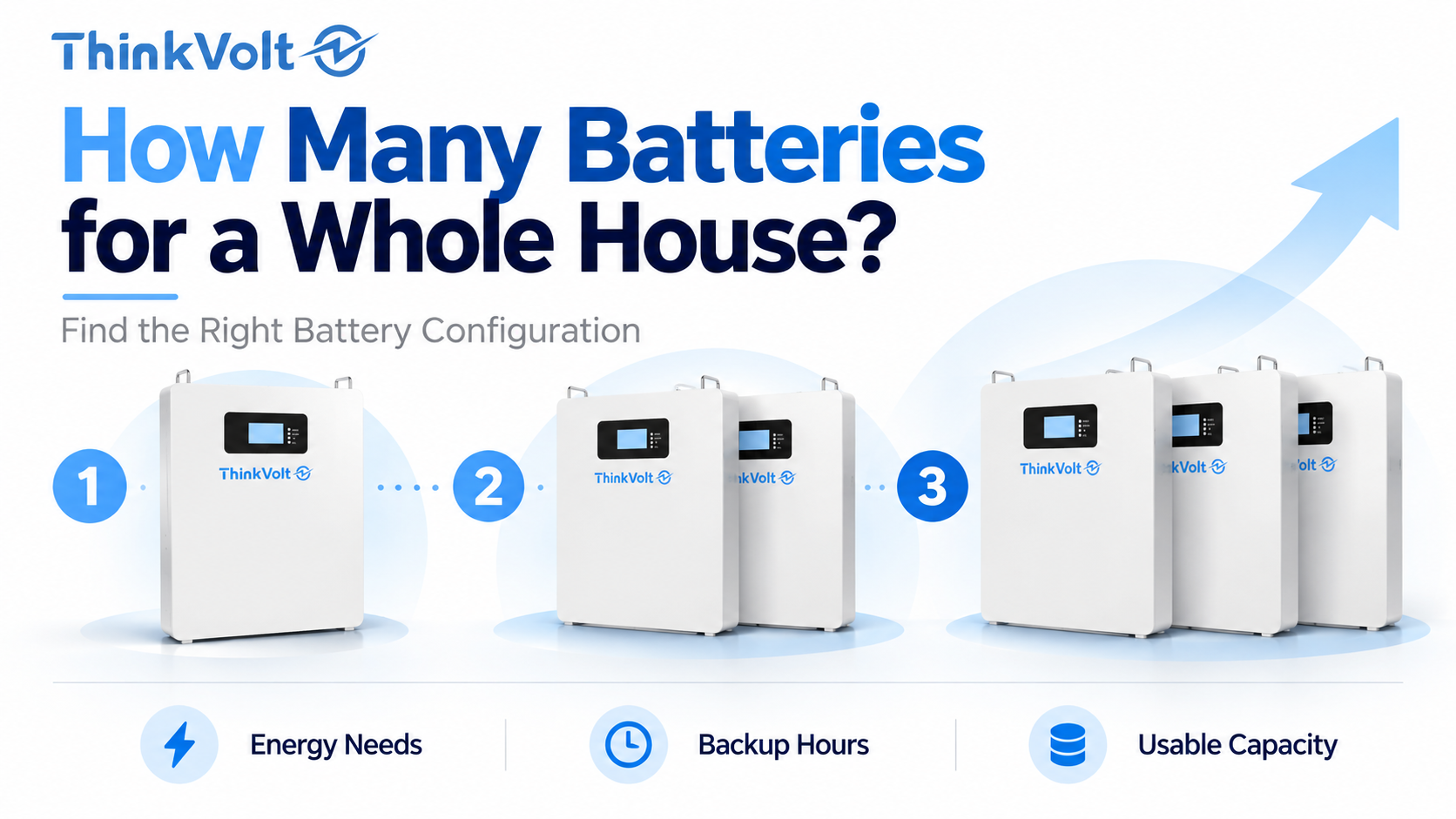
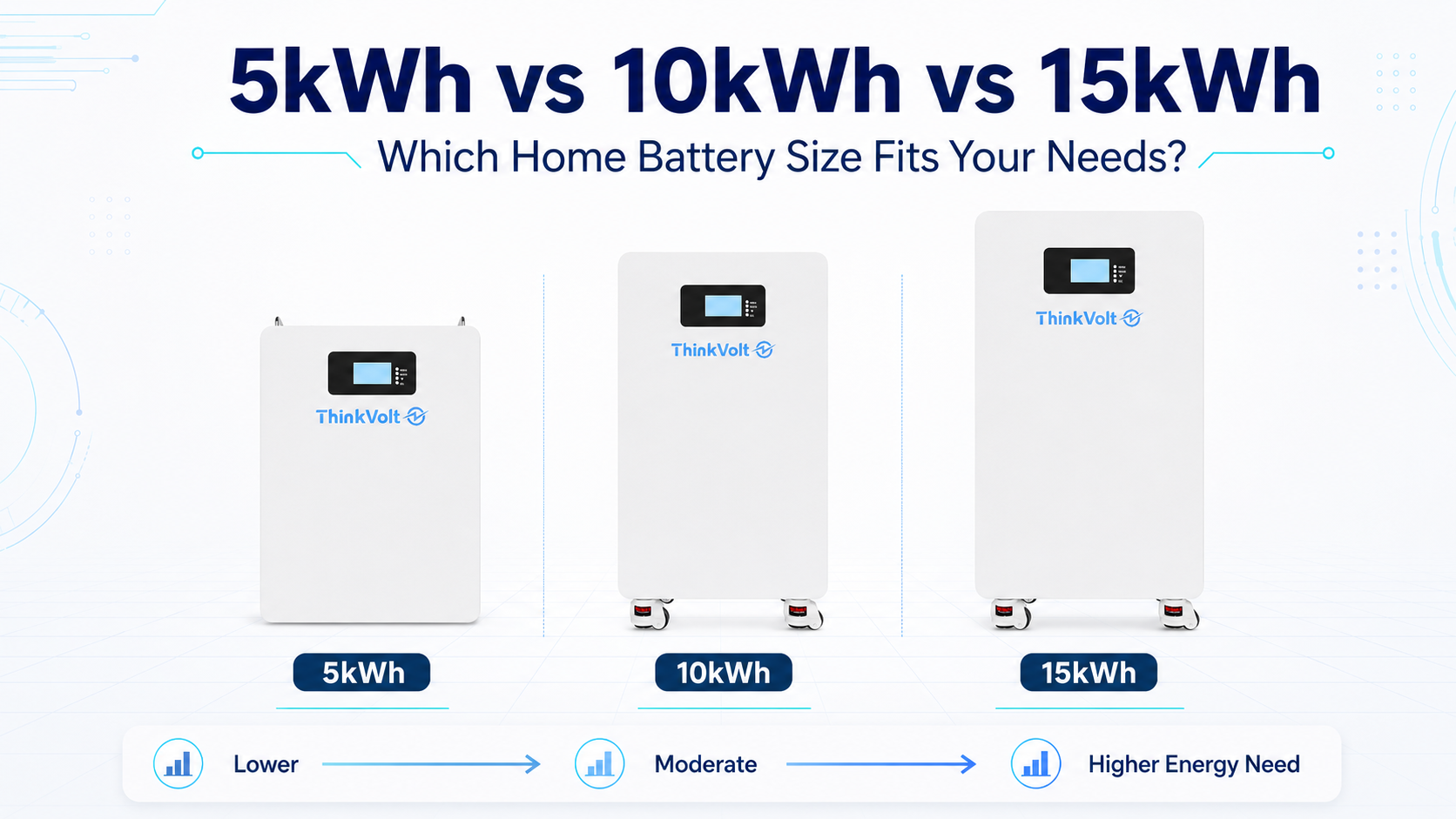
Size it from the energy used by the loads you want to support and the duration required. Check both usable kWh and inverter output in kW.
Often this is possible, but it depends on the battery, inverter, PV limits, and system architecture. Confirm the planned upgrade path before purchase.
Some systems can support broad household loads, but the required output and capacity may be much higher than for essential circuits. Large loads and starting surges must be checked.
They serve different needs. Batteries are quiet and require no fuel during operation, but stored energy is limited; a generator may support longer outages if fuel is available and the installation is appropriate.
A home battery without solar panels can be a practical choice for backup power or time-of-use tariff management, but the best system depends on the loads, tariff, equipment and local requirements. Share your country, electricity tariff, essential loads, desired backup time, and any preferred inverter or battery model with a qualified installer to assess a suitable configuration.