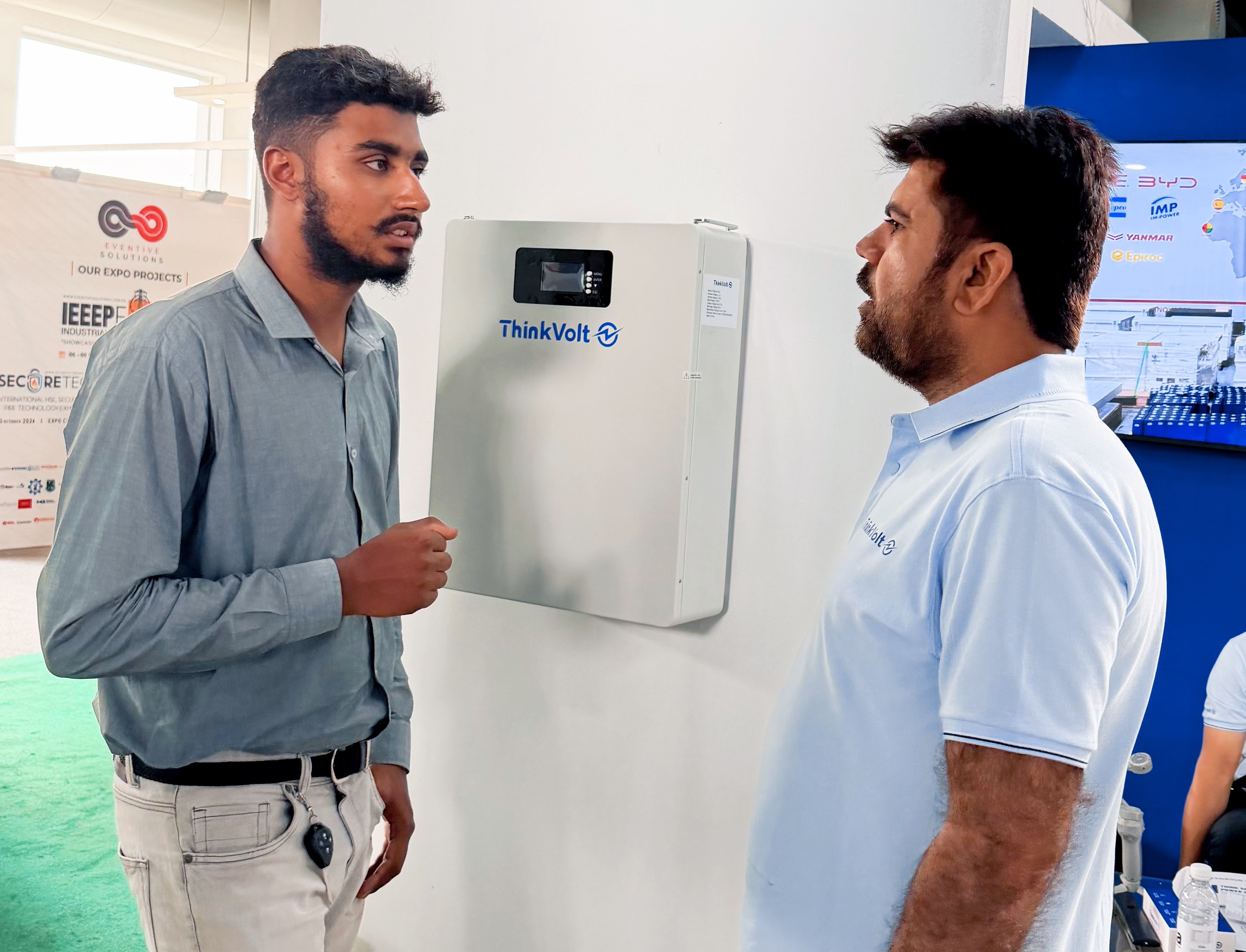
ThinkVolt at Solar & Storage Expo Pakistan 2026: Connecting with Pakistan’s Energy Storage Market
2026-07-23
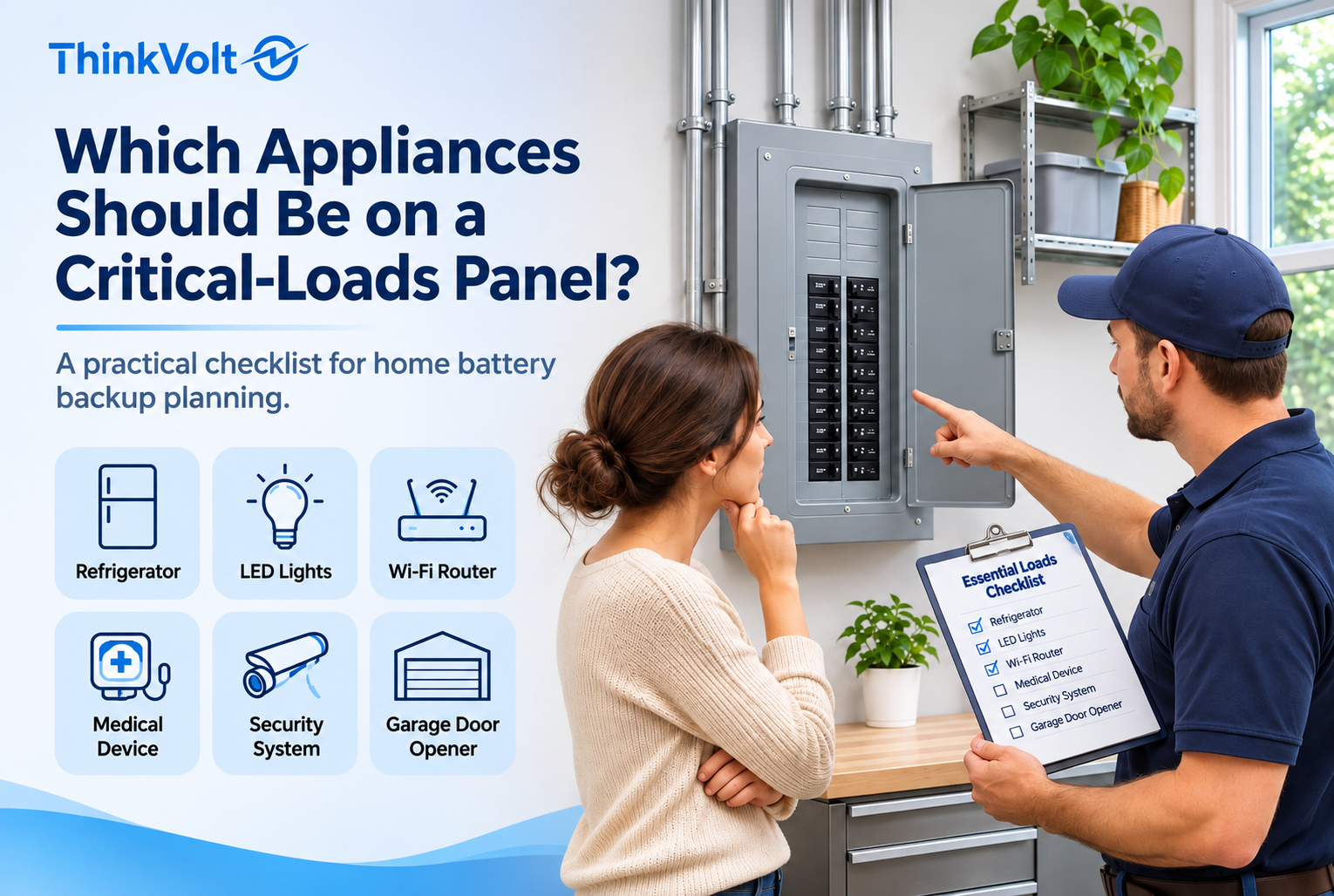
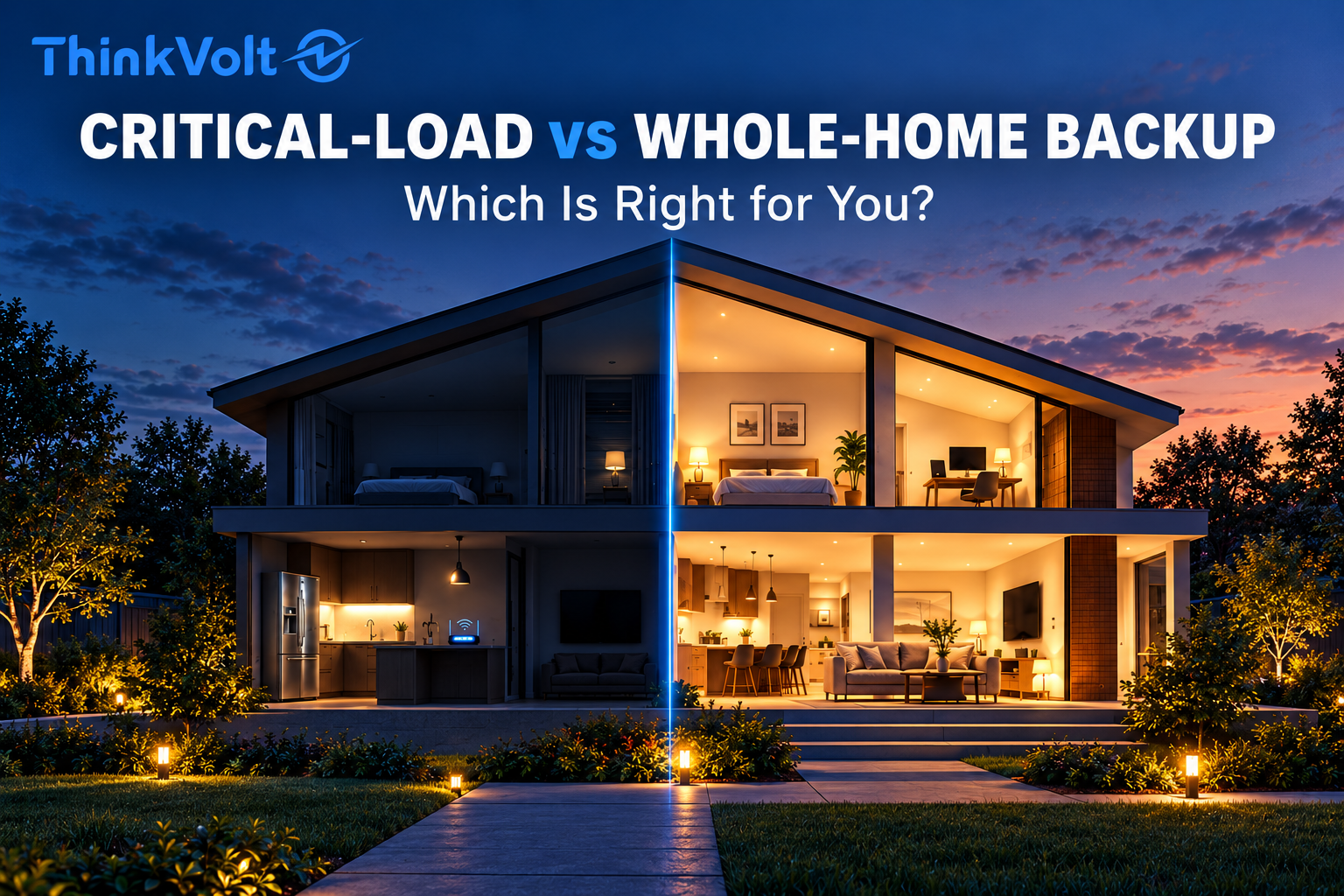
A home battery essential loads list should begin with medical equipment, refrigeration, essential lighting, communication devices, and any pumps or heating controls your household depends on. A critical-loads panel should back up only the circuits that matter during an outage—and only after an installer checks power, startup surge, and battery runtime.
Use this checklist to decide what stays on, what can wait, and what information to give your installer. Appliance priorities vary by climate, health needs, water supply, and the actual wiring in your home.
A critical-loads panel—also called an essential-loads subpanel or backup-loads panel—holds selected household circuits that can receive electricity from a properly configured battery backup system. It is not a guarantee that every appliance on those circuits will operate simultaneously or indefinitely.
During an outage, approved transfer or isolation equipment separates the backed-up portion of the home from the utility grid. Circuits outside the protected group normally lose power. Some systems instead use whole-home backup and automatic load management, so the exact arrangement depends on the equipment and electrical design.
Think in circuits, not just appliances. A refrigerator may share a branch circuit with other kitchen outlets, while a well pump may require a dedicated 240 V circuit. The installer must verify the actual circuit mapping before promising that a particular appliance is protected.
Start with equipment whose loss could affect health, food safety, water supply, property protection, or basic movement around the home. The following is a decision checklist, not a universal wiring plan.
Appliance or circuit | Suggested priority | Why it matters / what to check |
Medical equipment and its outlet | Highest, where needed | Confirm manufacturer power and continuity requirements; arrange independent emergency backup. |
Refrigerator and necessary freezer | Usually include | Food storage; verify compressor starting demand and duty cycle. |
Essential LED lighting | Usually include | Choose halls, stairs, bathroom, and one living area rather than every lighting circuit. |
Modem, router and network terminal | Usually include | Alerts and communications; include any powered fiber terminal. |
Phone charging / a few general outlets | Usually include | Communication and small devices; avoid uncontrolled plug-in heaters or kettles. |
Sump or sewage pump | Include if needed | Flood and wastewater protection; motor startup may dominate surge requirements. |
Well pump | Include if water depends on it | Confirm supply voltage, motor starting current and pressure-tank behavior. |
Gas furnace blower or boiler controls | Climate-dependent | Controls need electricity even when heat is generated by fuel. |
Security / access systems | Conditional | Alarms, electric gates, garage access; check actual dependence. |
Home office / small cooling unit | Optional | Only after core loads and backup hours are protected. |
Quick decision: if an appliance fails during a 12- or 24-hour outage, what happens? If the consequence is medical risk, flooding, loss of water, unsafe temperatures, or loss of necessary communication, discuss it first. If the consequence is inconvenience, move it lower.
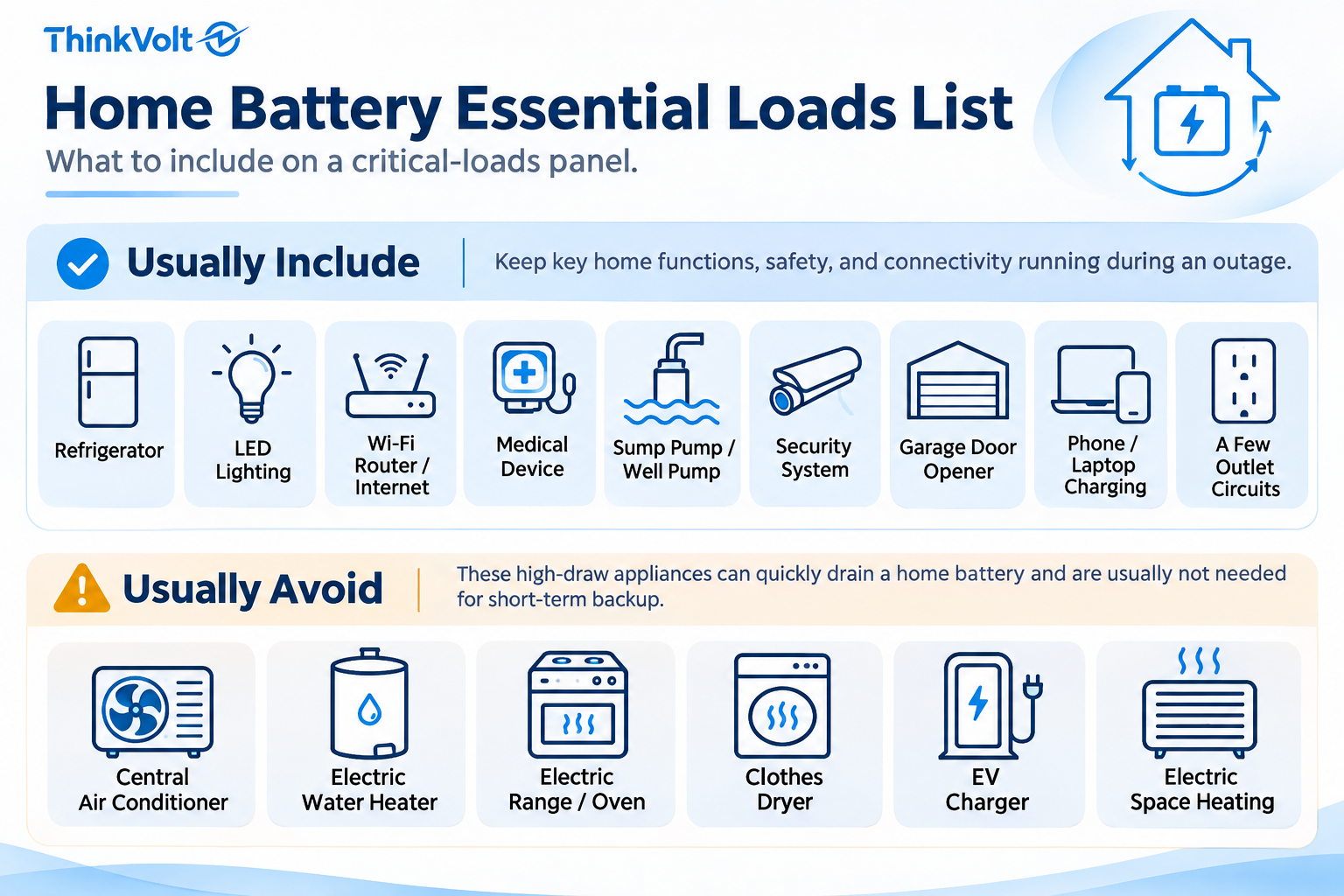
Large heating loads and convenience appliances generally stay on the main panel when a household has limited battery capacity. Their energy use can consume the battery rapidly or exceed inverter output, even if a breaker physically fits in a subpanel.
· Usually exclude electric resistance space heating, electric water heaters, ovens and electric ranges, clothes dryers, EV chargers, hot tubs, and pool heaters.
· Treat central air conditioning and large heat pumps as engineering decisions, not automatic exclusions: some purpose-designed systems can support them, but motor starting and seasonal energy demand must be verified.
· Avoid backing up broad outlet circuits without tracing what people may plug into them during an outage. A kettle or portable heater can defeat an otherwise careful load plan.
A microwave, compact air conditioner, or garage door opener can sometimes be included as a short-duration or managed load. Its status depends on the inverter, other simultaneous loads, and the household’s priorities—not the appliance name alone.
Use three priority levels and record each proposed circuit by its actual label and location. Review the list with everyone in the household, especially anyone whose care or access relies on electricity.
List prescribed medical devices with approved emergency arrangements, required refrigeration, critical drainage or water pumps, minimal lighting, and essential communication equipment. A medical device should never depend solely on a consumer home battery; discuss interruption tolerance and contingency plans with the clinician and device supplier.
Add the furnace blower or boiler circulation where appropriate, selected bedroom outlets, a small work area, door access, and limited comfort cooling. These loads may be essential during a winter storm, heatwave, or for a household with special circumstances.
Put entertainment, laundry, cooking by electric resistance, and other discretionary appliances last. If these remain outside the critical panel, explain which outlets still work so family members do not assume the entire house is backed up.
Write down the reason for every inclusion. “Needed for refrigerated medication” is more useful to an installer than simply “kitchen circuit.”
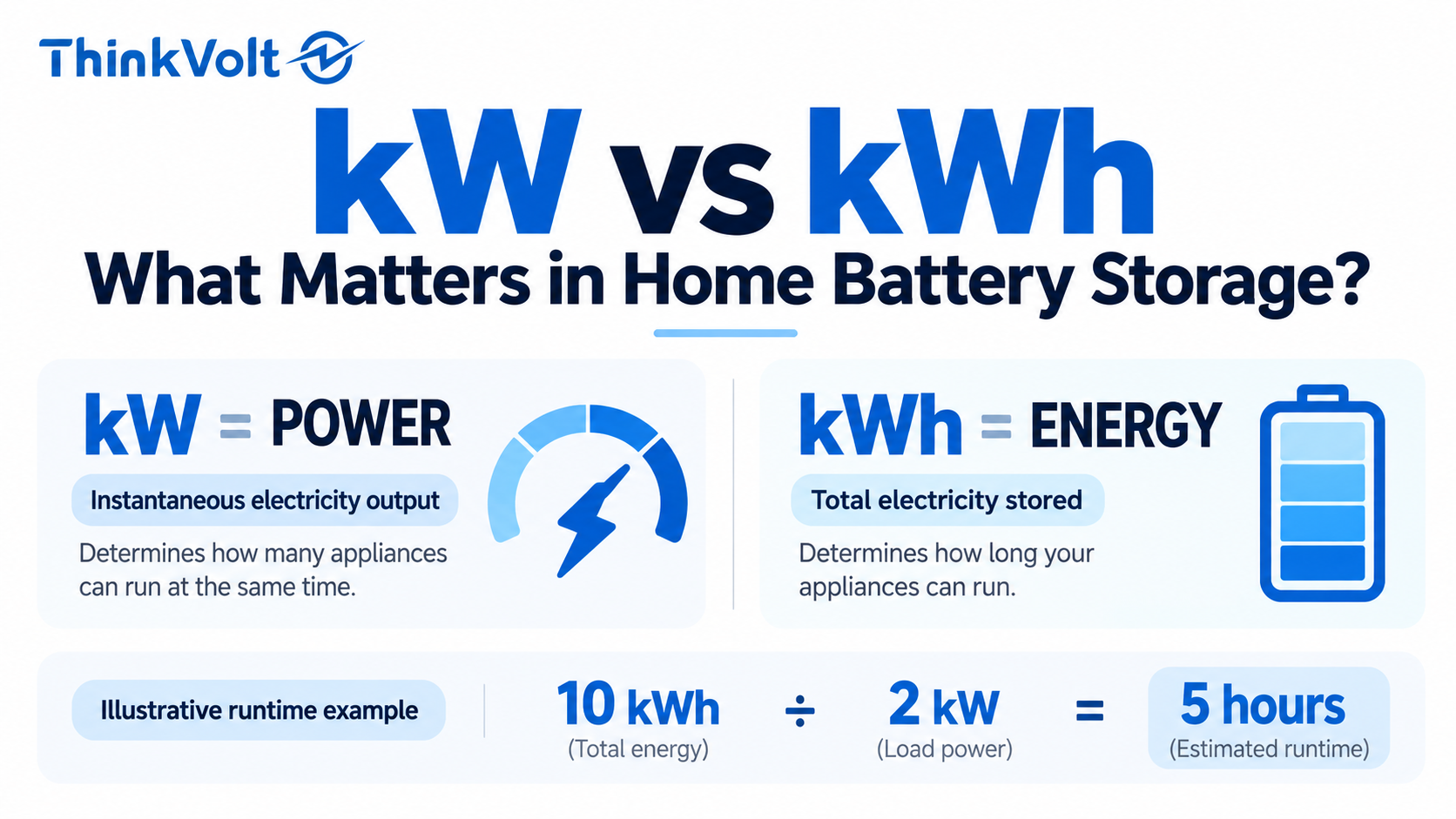
A reliable home battery essential loads list requires three different numbers: operating power in watts, maximum short-term starting demand, and energy consumed over the outage in kilowatt-hours. A battery has an energy limit, while its inverter and protection system have power and surge limits.
· Running watts (W): power while the device is operating. Check the appliance nameplate, manual, manufacturer documentation, or an appropriate measurement.
· Starting or surge demand: short peaks when motors or compressors begin operating. Request manufacturer specifications or installer measurements for pumps, refrigeration and HVAC equipment.
· Daily energy (Wh or kWh): power multiplied by operating time, accounting for cycling. A refrigerator that is not continuously running should not be modeled at its running wattage for all 24 hours.
A circuit breaker marked 15 A or 20 A is not a measurement of the attached equipment’s usual consumption. Likewise, battery capacity in kWh alone does not tell you whether a well pump can start.
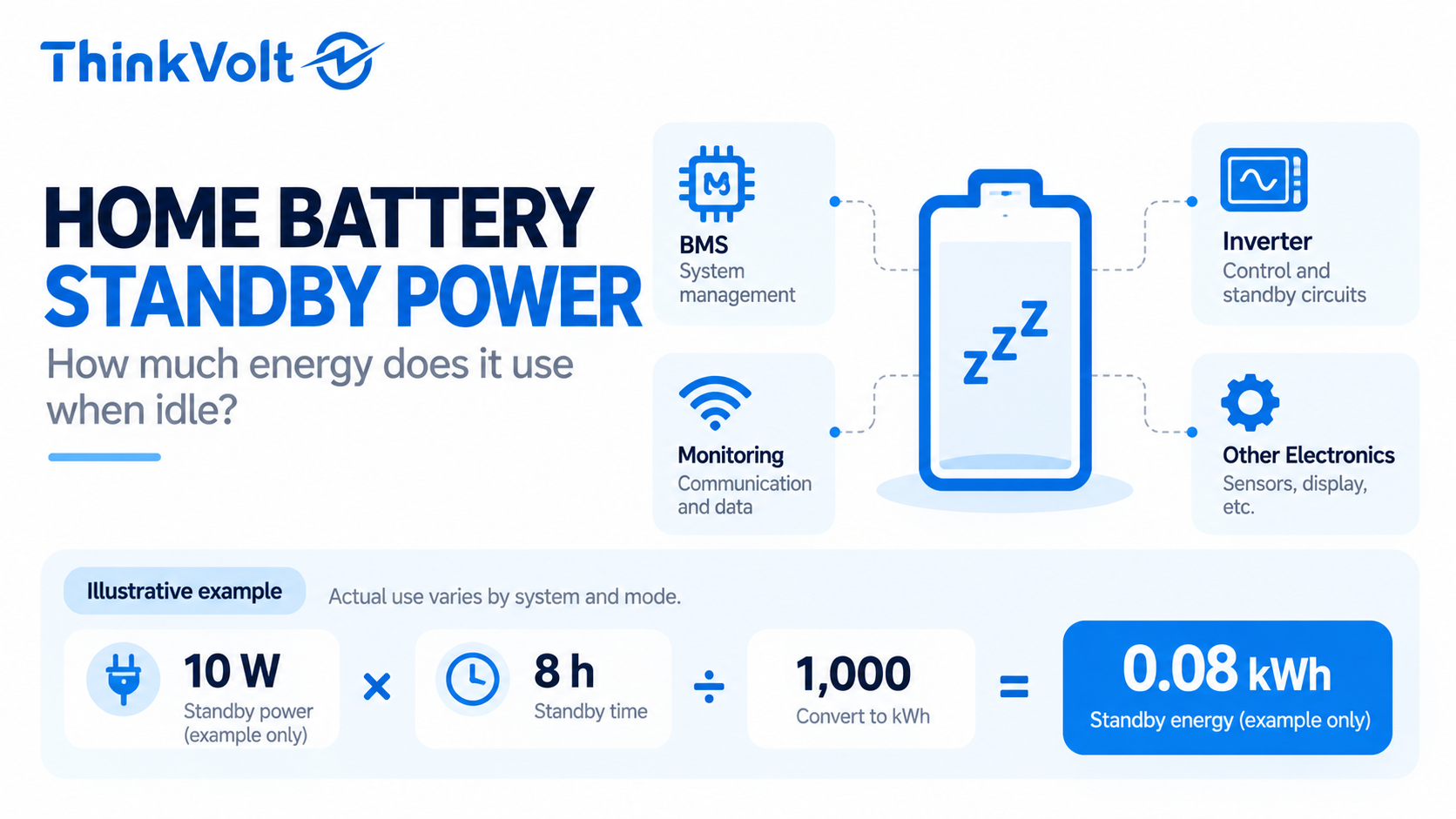
For a first-pass energy estimate: daily kWh = average watts × hours ÷ 1,000. If a measured load averages 80 W across 24 hours, that is 1.92 kWh per day. This arithmetic is illustrative, not a product or appliance specification. Add the separate expected use of every protected circuit and consider conversion losses and reserve settings.
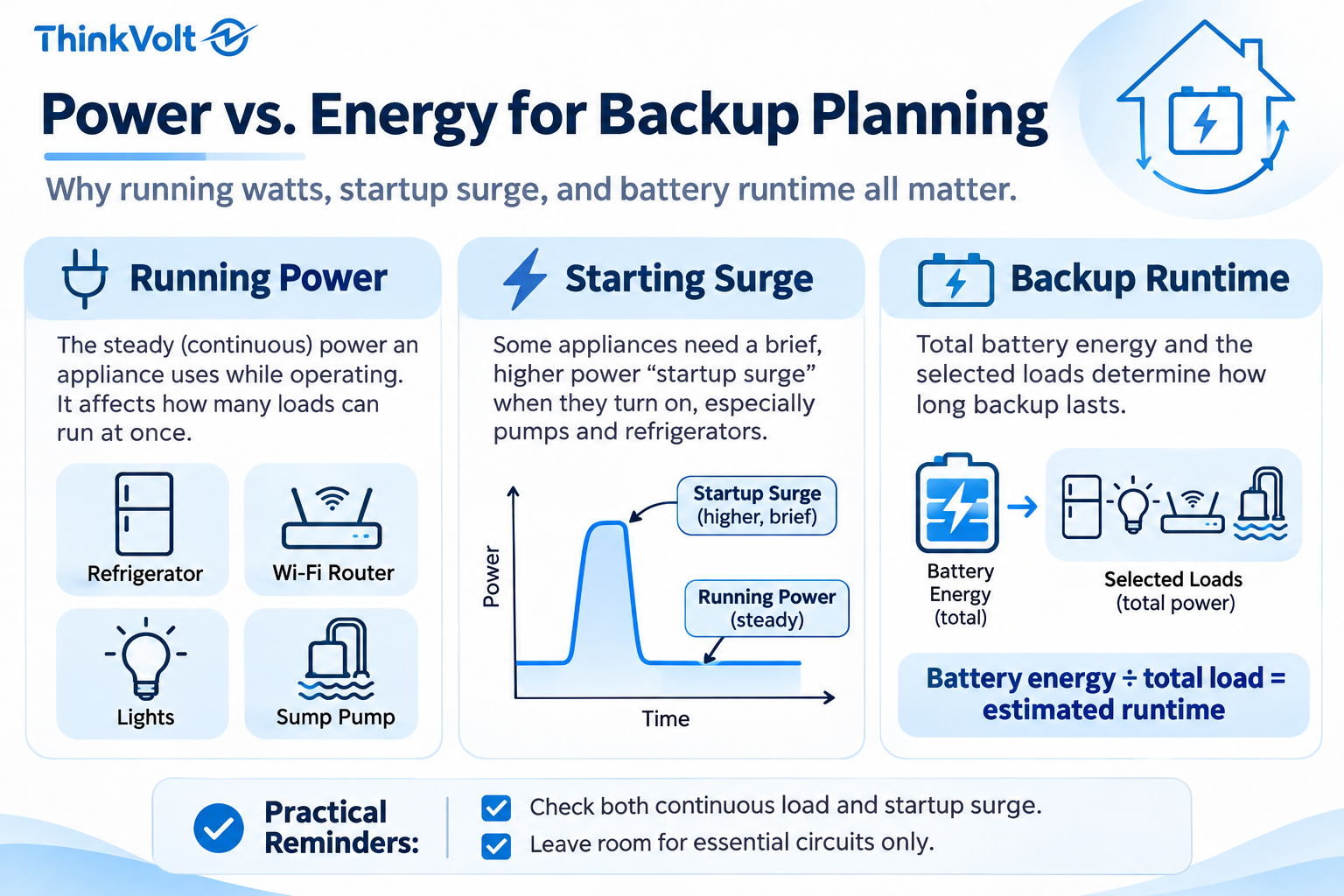
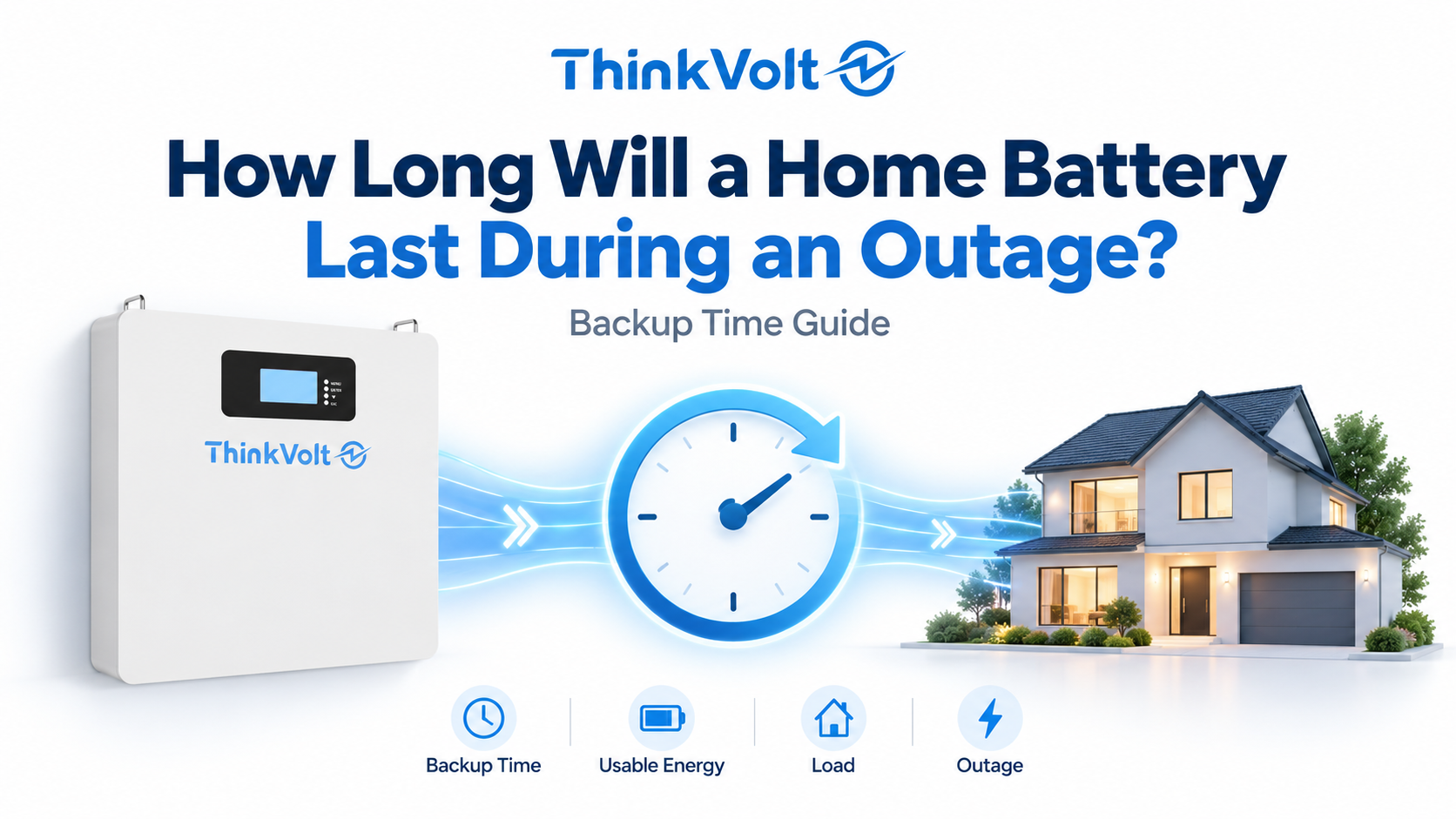
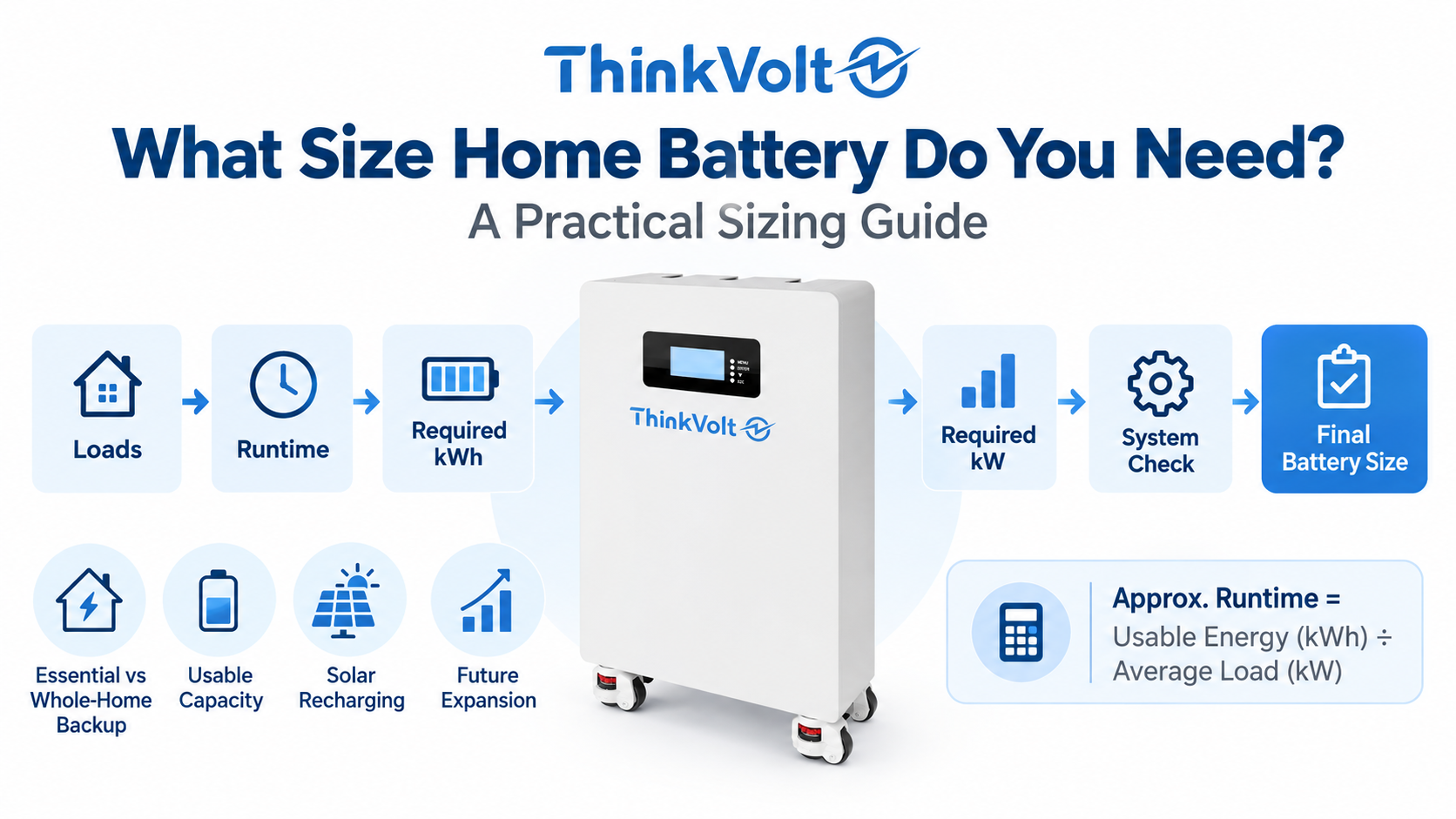
Runtime depends on usable battery energy and the average combined load—not only the battery’s advertised nominal capacity. Treat the calculation as a screening exercise before the installer confirms the system design.
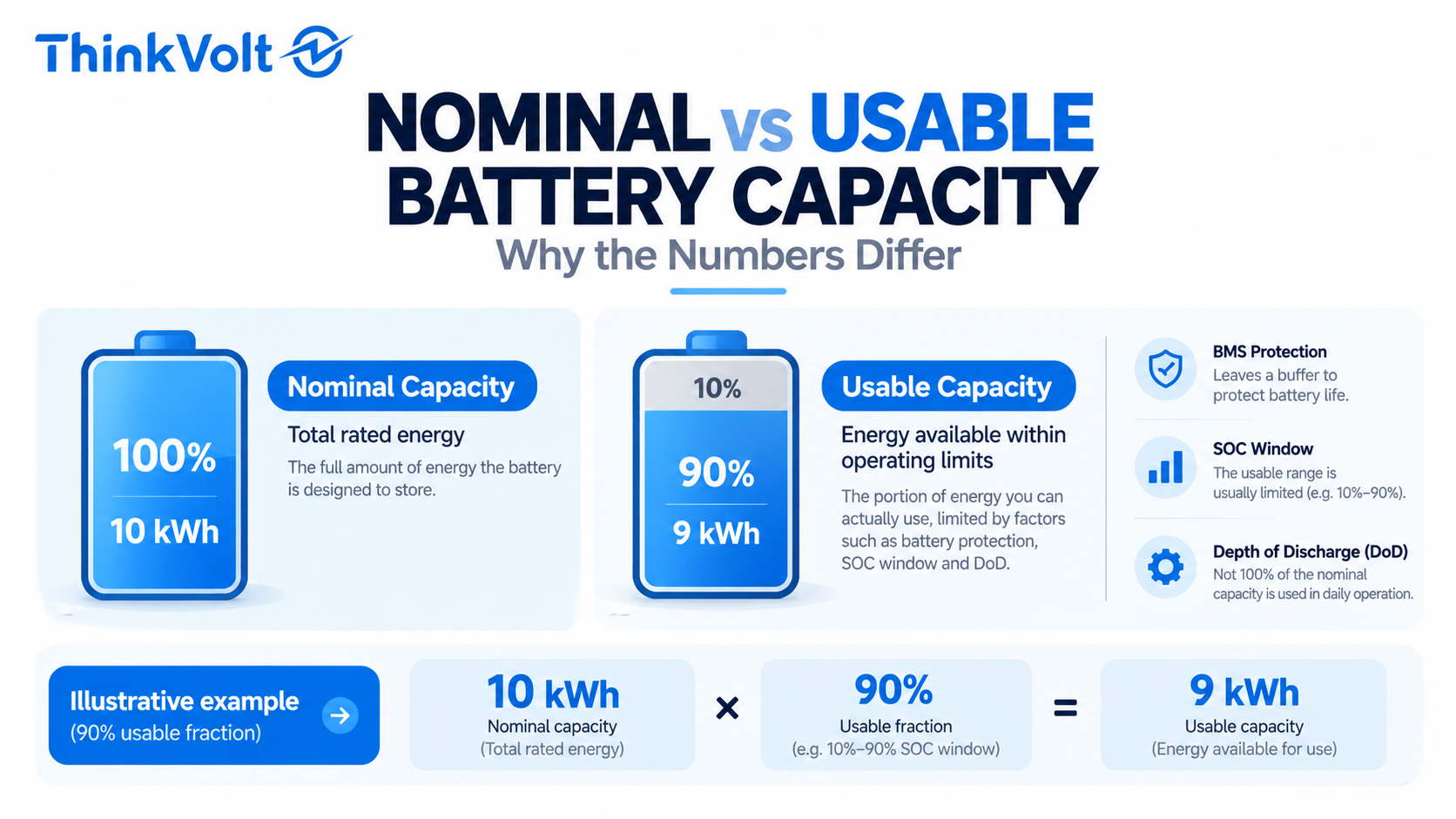
Approximate backup hours = usable AC energy (kWh) ÷ average backed-up demand (kW). Usable AC energy should account for allowed state-of-charge limits, inverter losses, and any reserve that must remain available.
Example: suppose a design has 8 kWh of energy available at the AC output and the selected loads average 0.5 kW. The simple estimate is 8 ÷ 0.5 = 16 hours. If demand averages 1.0 kW, it falls to 8 hours. These are hypothetical inputs; real runtime changes as compressors cycle, pumps start, weather shifts, and solar generation varies.
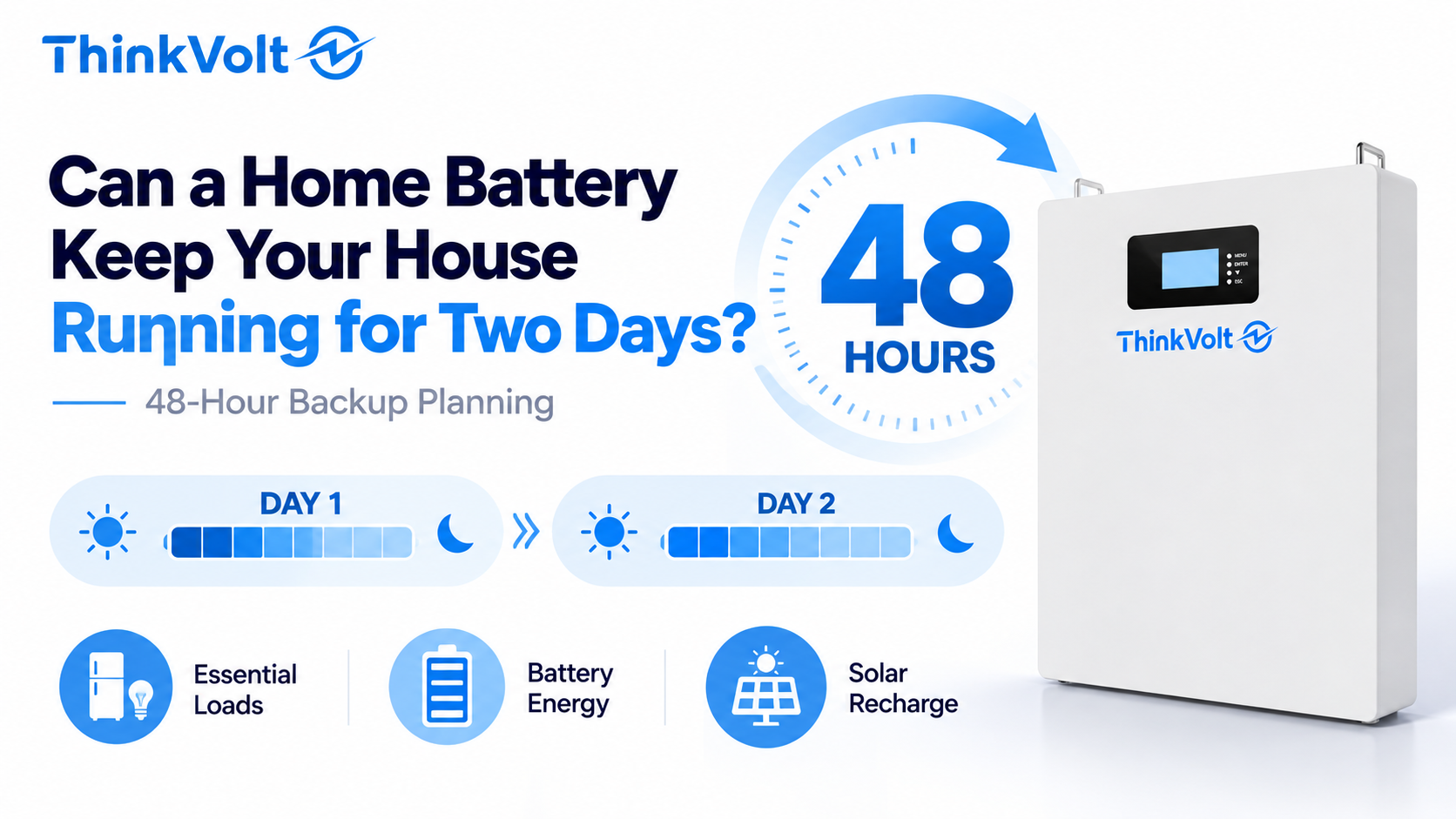
For outages lasting multiple days, prepare a separate daily energy budget. A system may meet the instantaneous peak rating but run out of energy overnight. Conversely, a battery with substantial energy may still fail to start a high-inrush motor if inverter surge capability is insufficient.
Some loads need project-specific verification because loss of service is serious or their electrical behavior is difficult to predict. Flag these items on your worksheet before asking for a quote.
· Well and sump pumps: identify voltage, motor size, running current, starting demand, cycling frequency, and whether multiple pumps can start together.
· Heating: confirm whether you need gas-furnace controls and blower, boiler pump, or a heat pump. Electric resistance strips are a very different load from a small control circuit.
· Cooling: consider a small dedicated room-cooling approach only after confirming its running and starting demand and whether it is medically or climatically necessary.
· Medical equipment: obtain approved power and interruption requirements directly from the device manufacturer and care team. Plan a separate contingency for prolonged outages or equipment failure.
· Internet and alarms: check whether the modem, router, optical network terminal, security hub, and any powered access equipment all share the proposed backup circuit.
Never assume a battery system functions as an uninterrupted power supply. Transfer times and waveform requirements matter for sensitive devices; compatibility and continuity must be checked rather than inferred.
Walk the house and then review the electrical distribution board with a qualified installer. Do not remove covers, move breakers, or alter wiring yourself. An appliance list becomes an actionable critical-loads panel plan only after the actual circuits are identified.
· Step 1 — Record the appliance, room, household consequence, and intended hours of use.
· Step 2 — Copy the existing circuit description and have the installer verify which outlets and fixed loads it actually serves.
· Step 3 — Note voltage, running watts, starting demand, expected duty cycle, and whether the load starts automatically.
· Step 4 — Mark each item Must / Conditional / Exclude and decide what can be shed first when battery charge falls.
· Step 5 — Have the installer check inverter continuous output, surge capability, phase and voltage requirements, panel capacity, transfer equipment, protective devices, and local rules.
· Step 6 — Request a documented outage test and a simple circuit legend showing exactly what remains energized.
Circuit / room | Priority | Running W | Starting W or A | Hours / day | Installer verified? |
Fridge / kitchen | Must | _____ | _____ | _____ | □ |
Lights / hall + bathroom | Must | _____ | N/A or _____ | _____ | □ |
Internet + ONT / office | Must | _____ | _____ | _____ | □ |
Well or sump pump | Conditional | _____ | _____ | _____ | □ |
Heating controls / utility | Conditional | _____ | _____ | _____ | □ |
Selected outlet / bedroom | Conditional | _____ | _____ | _____ | □ |
Print or copy the blank table and add rows for your household. If a circuit feeds multiple appliances, its possible combined demand—not merely the appliance you care about—must be included. The checkbox is for verification by the installer, not a homeowner electrical inspection.
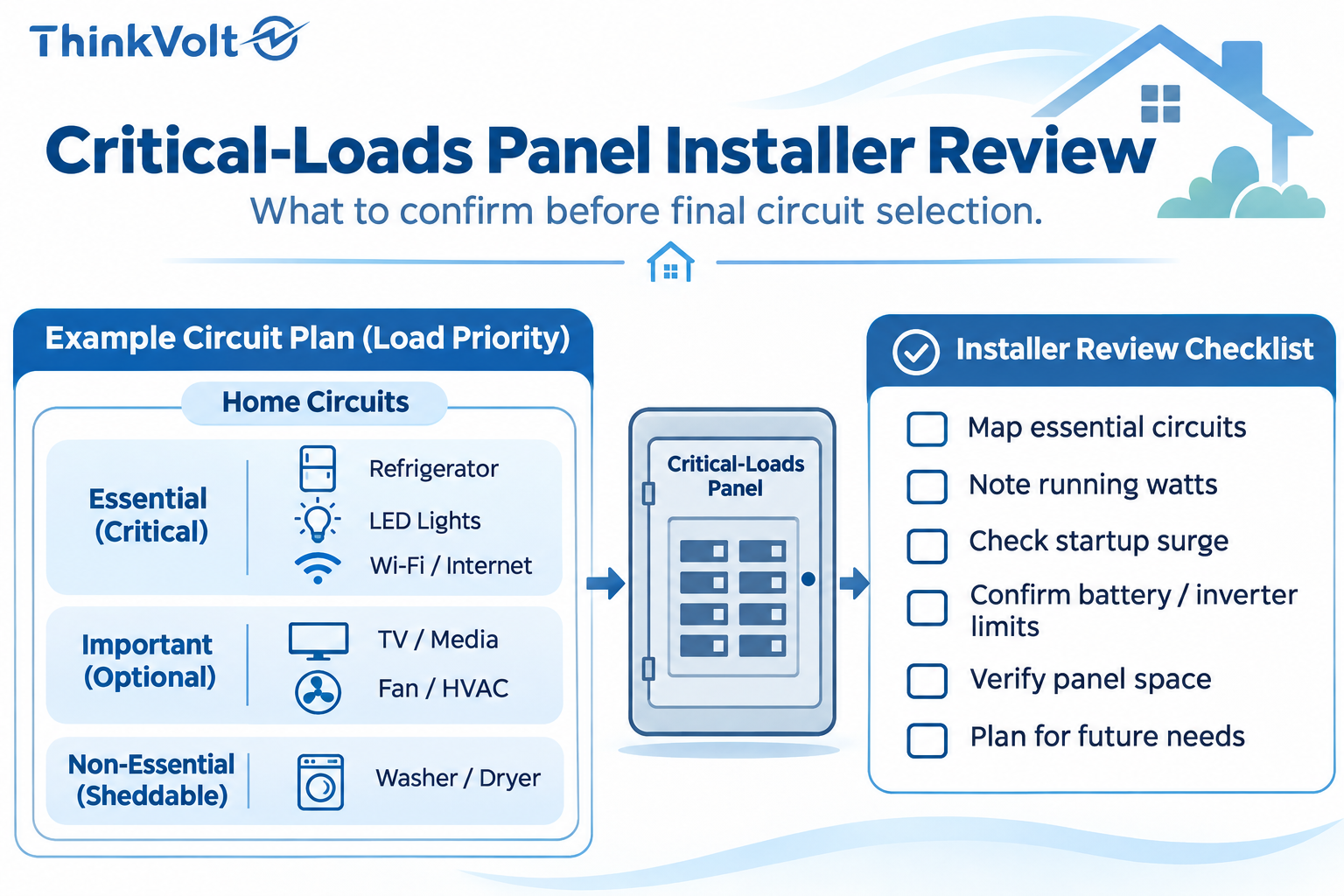
An installer should validate the complete backup architecture, not just which breaker labels appear on a list. Critical-loads panels, transfer switches, smart panels, and hybrid-inverter backup outputs are not interchangeable designs.
· Correct backup configuration and grid isolation, with equipment approved for the local electrical system.
· Continuous AC output, motor-starting surge, and any automatic or manual load-shedding strategy.
· Actual battery usable energy, operating reserve, recharge assumptions, and expected performance under the specified outage conditions.
· Circuit allocation, protective device ratings, phase and voltage compatibility, earthing/grounding arrangements, labeling, and required approvals.
· Documented commissioning, safe operating instructions, handover materials, and any load priorities that the homeowner may change.
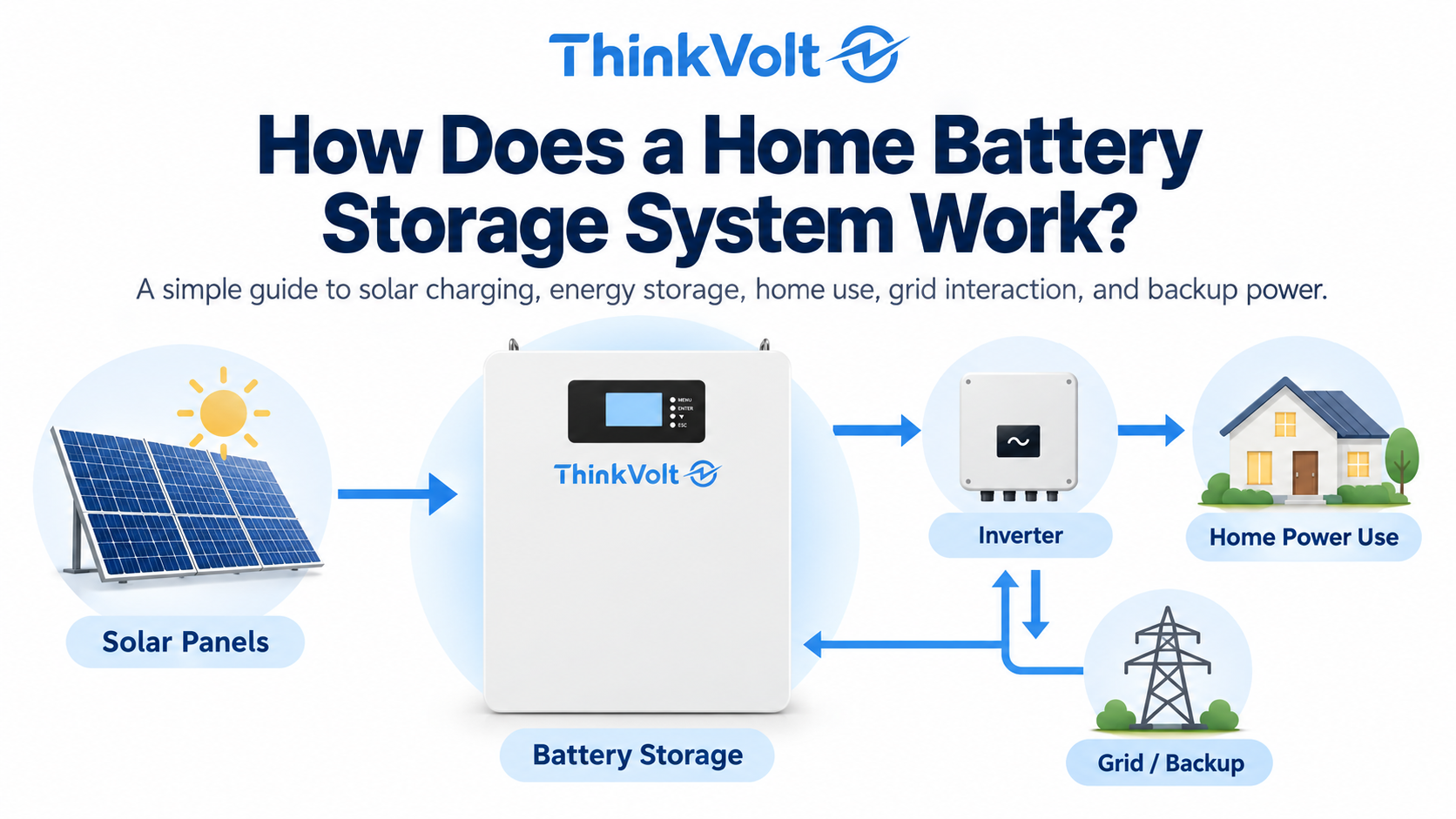
If an installation includes solar, ask what happens at night, in cloudy conditions, and when the battery is depleted. Solar panels do not by themselves guarantee backup operation during a grid outage: the inverter, controls, transfer equipment, and available energy determine behavior.
Sometimes. A conventional critical-loads panel physically separates the protected circuits; a suitable smart-panel or managed-circuit design may let an installer prioritize or shed certain circuits dynamically. The right approach depends on local codes, existing panel conditions, backup equipment, budget, and the loads you want to protect.
A smart panel does not create extra stored energy or increase an inverter’s physical output rating. It can help allocate available power, but large loads still need appropriate electrical capacity and controls. Confirm that the proposed product integrates with the exact inverter and battery system rather than assuming universal compatibility.
If your essential list is short and stable, a dedicated subpanel may be straightforward. If your priorities change with seasons or you want more control over many circuits, ask the installer to compare approved managed-load alternatives.
Usually, but prioritize it alongside health and property risks. Confirm which circuit serves it and whether the inverter can tolerate compressor startup. A separate freezer is optional unless its contents make it important.
Usually not. A single kitchen circuit may serve both essential refrigeration and powerful countertop appliances. Ask the installer to trace the circuit and decide whether a dedicated protected circuit or another approach is appropriate.
Yes, if the backup system is designed for its voltage, running demand and startup current. A pump may be essential for water access, yet difficult for a small inverter to start. Obtain the actual pump data before sizing.
Where flooding is possible, the sump pump can be a property-protection priority. Wi-Fi may be essential for alerts or communication but generally draws less power. Rank both by consequences and confirm pump surge behavior.
Some suitably designed systems can support selected cooling loads. Central HVAC often requires a much larger power and energy budget than basic circuits. Confirm startup current, continuous output, expected run hours and any load controls.
There is no universal number. Circuit count depends on the electrical installation and the panel design, while the actual backup limit depends on simultaneous wattage, surge and available energy. Have the installer produce a circuit schedule.
It may. A compatible home battery and inverter with approved grid-isolation equipment can support selected circuits without solar, depending on the system design. Recharge options and the duration of extended outages still need planning.
Do not assume it provides the required continuity or electrical characteristics. Follow device manufacturer guidance and medical advice, verify transfer time and power quality, and maintain an independent emergency plan for extended outages.
The best critical-loads panel protects the few circuits that truly matter, while leaving enough power and energy margin for real outage conditions. Begin with household consequences, verify each circuit, and let a qualified installer finalize the electrical design.
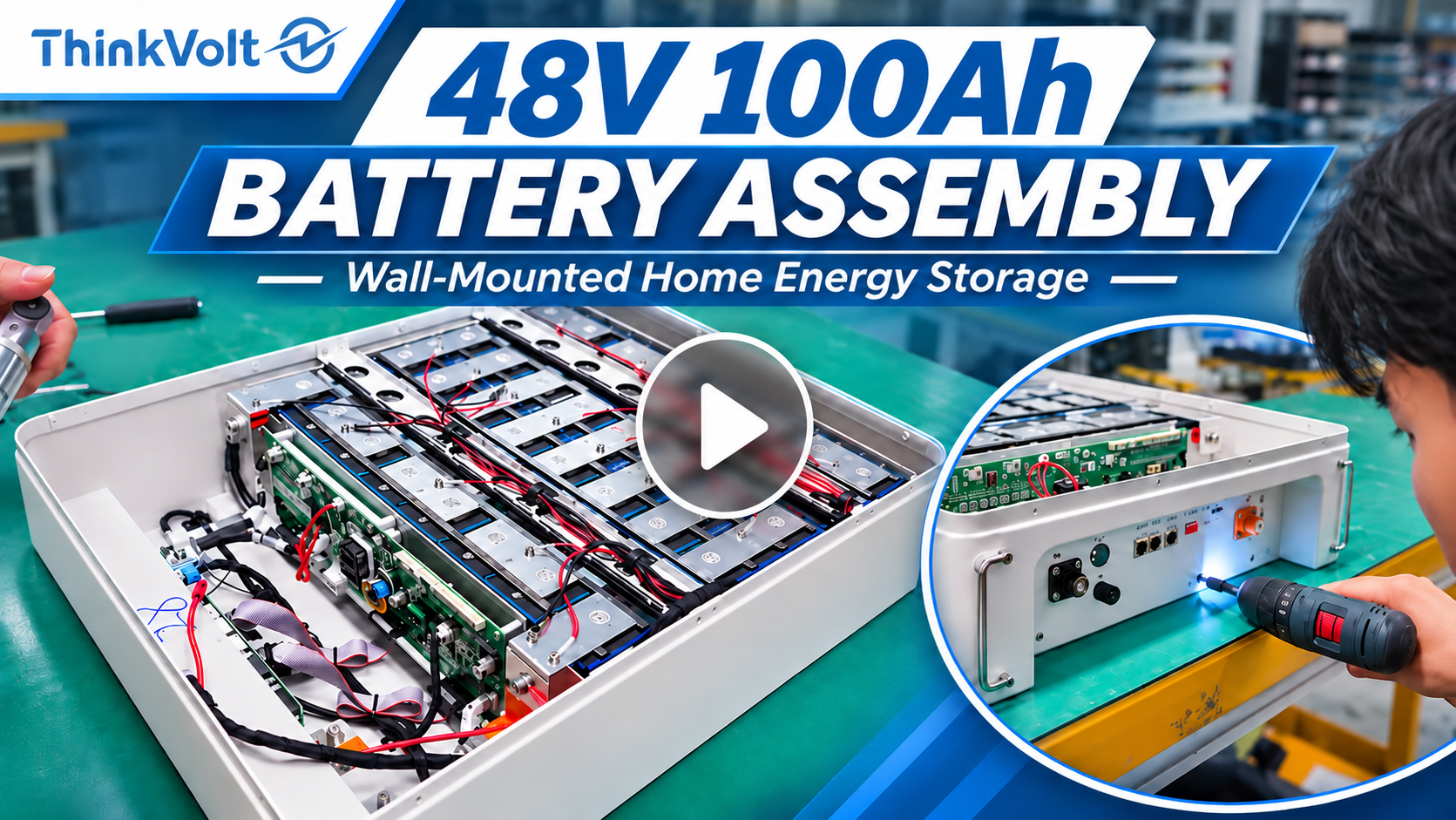
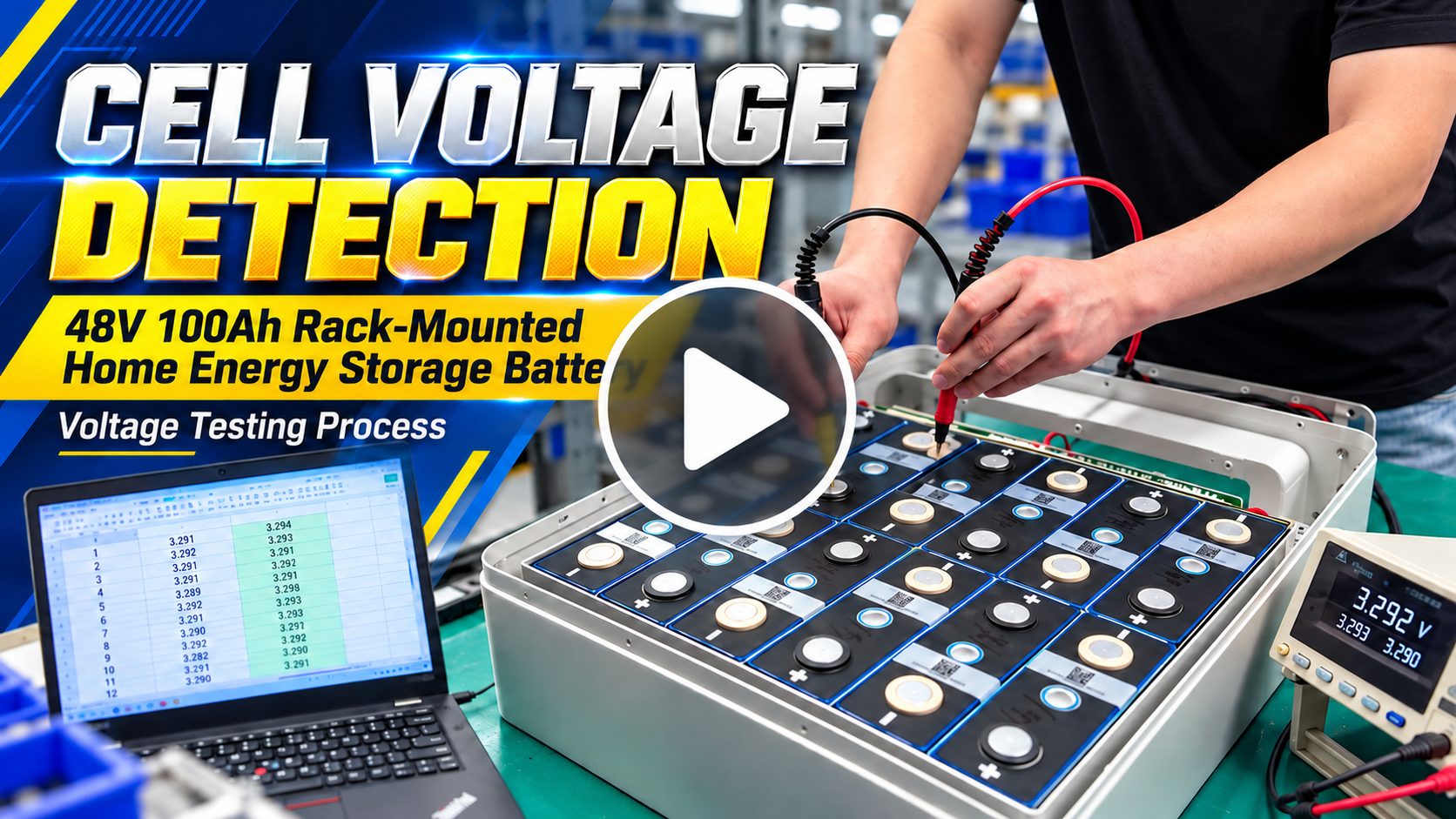
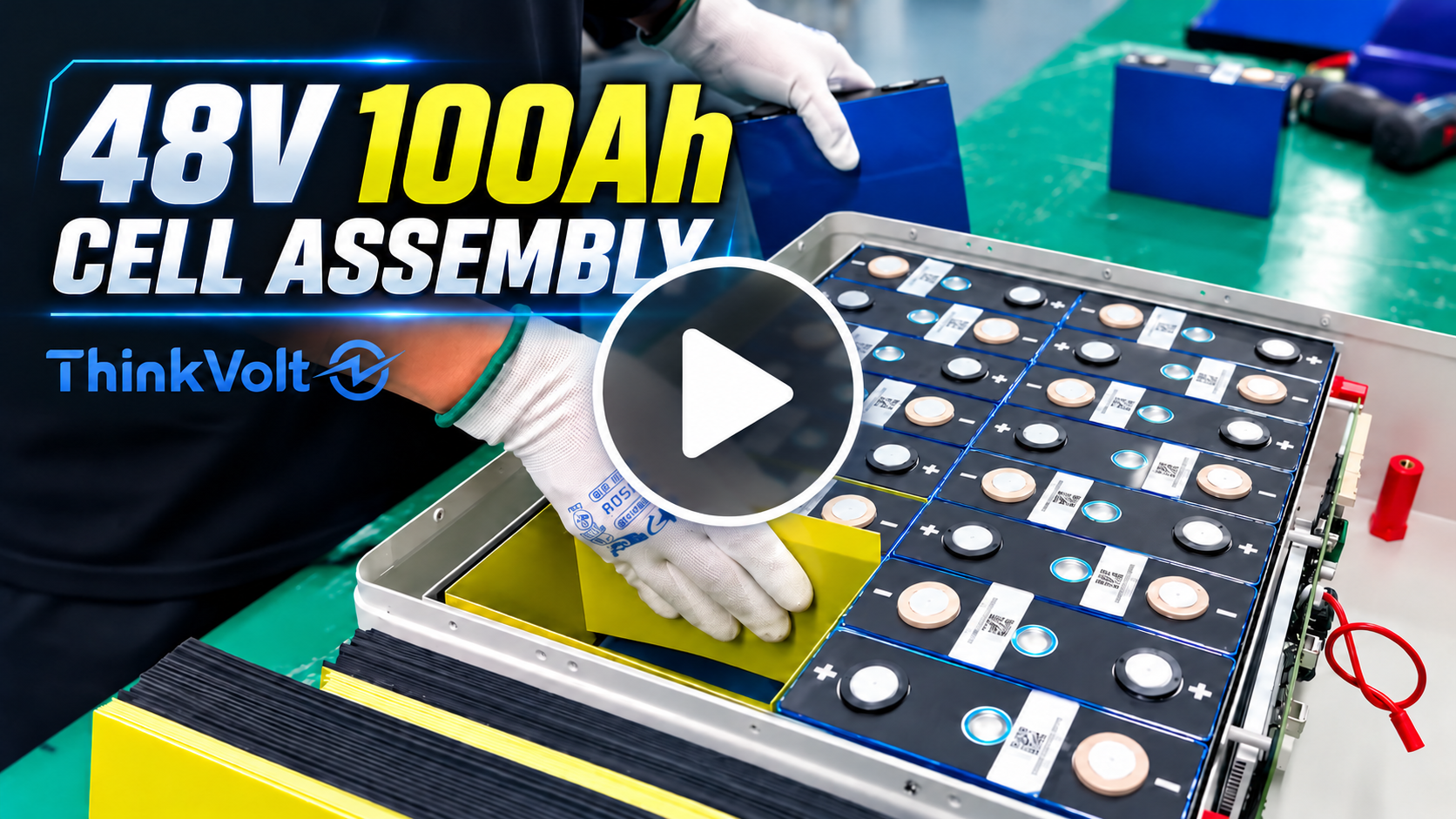
Planning a residential backup project? Share your essential-loads checklist, local grid specifications, inverter model, and desired backup duration with ThinkVolt to discuss suitable LFP battery and energy-storage options. System compatibility and final sizing require engineering confirmation.