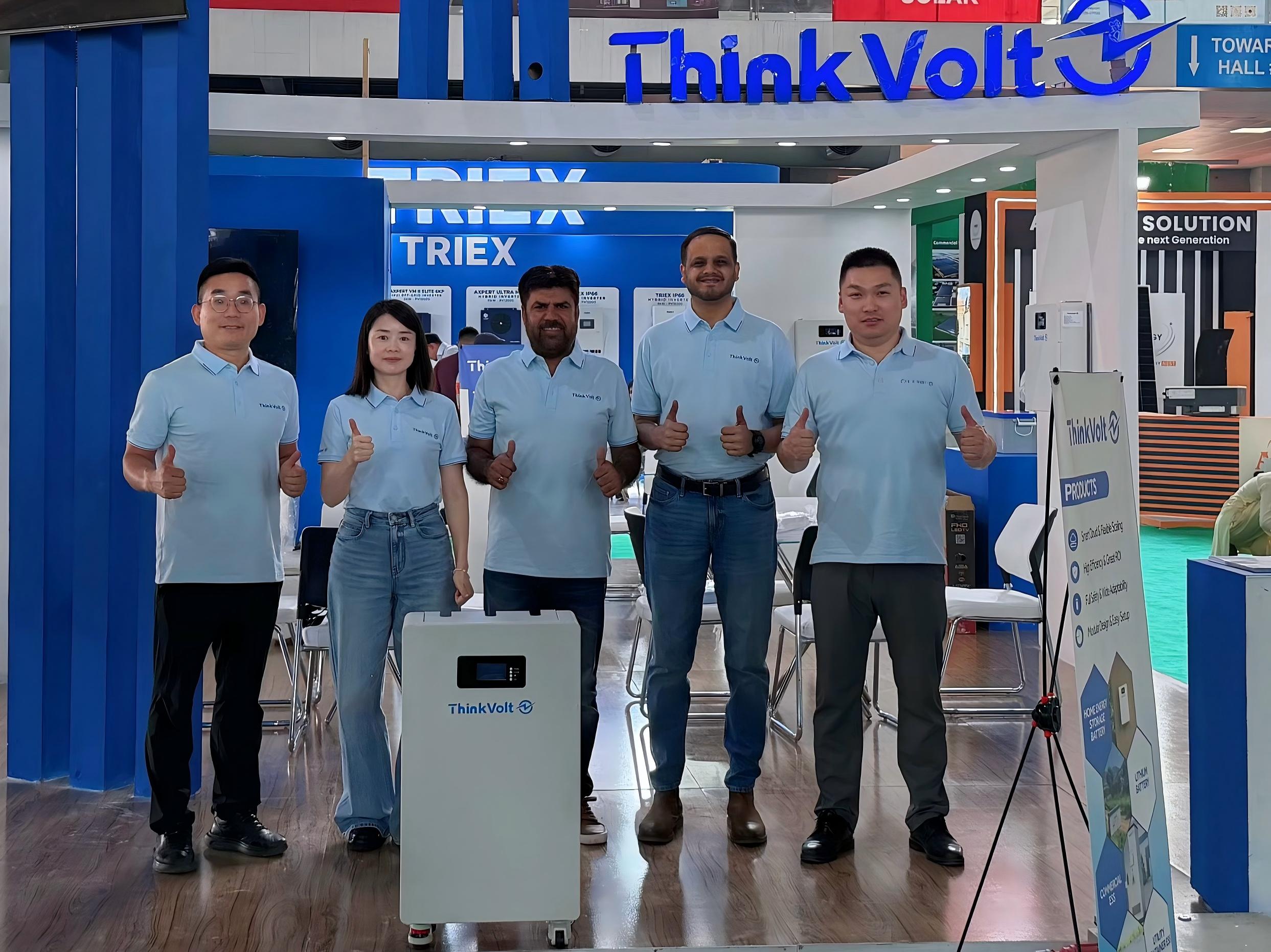
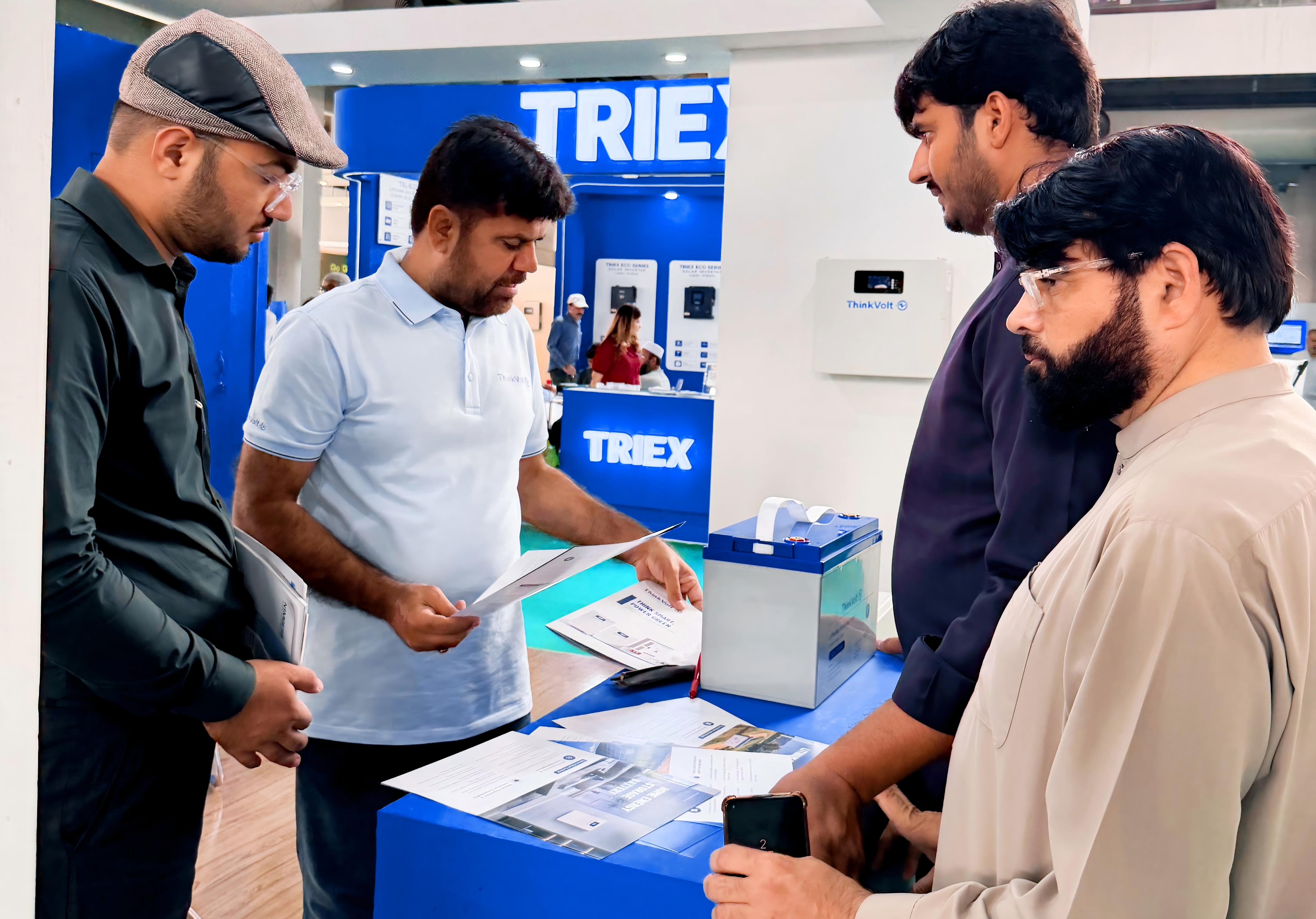
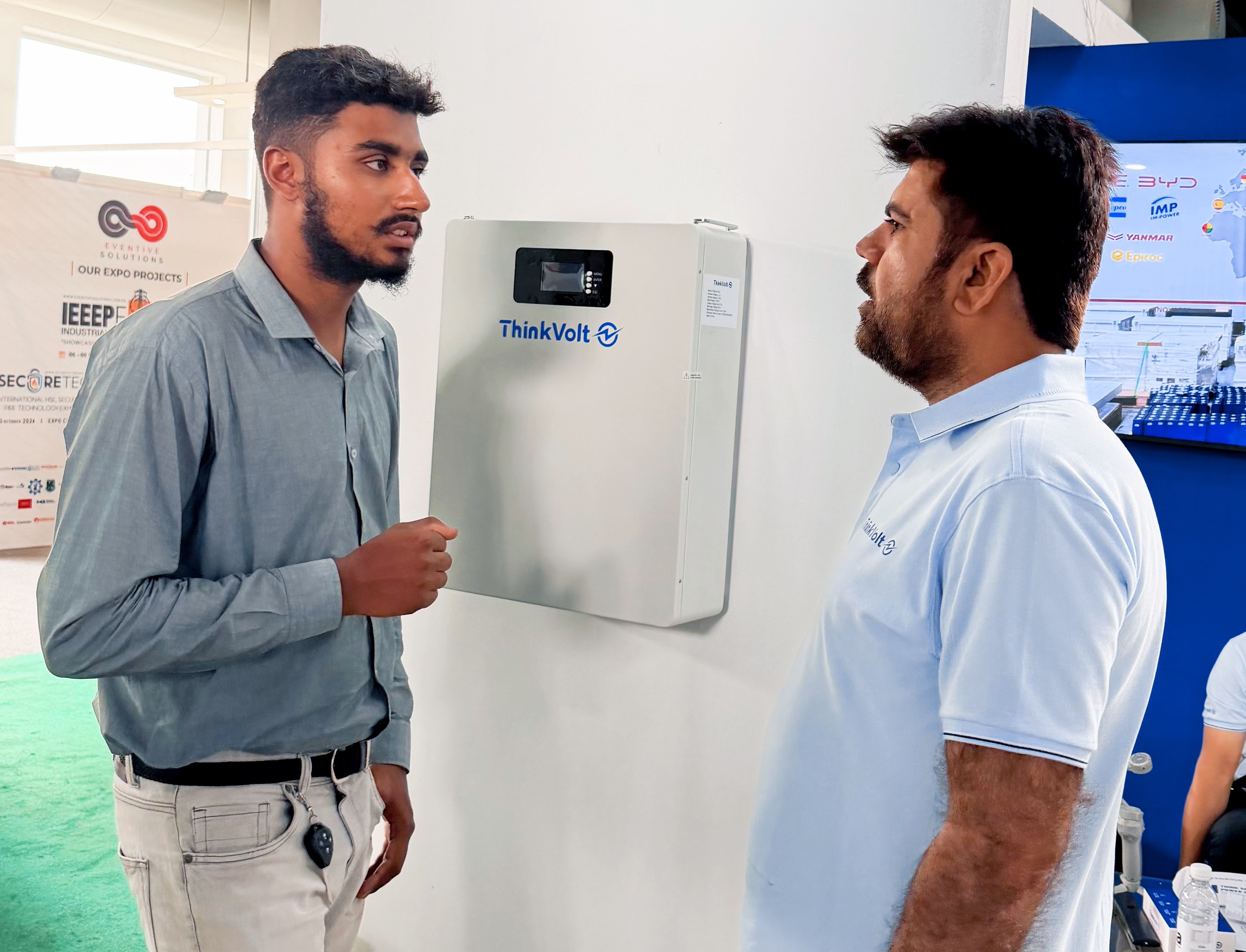
ThinkVolt at Solar & Storage Expo Pakistan 2026: Connecting with Pakistan’s Energy Storage Market
2026-07-23
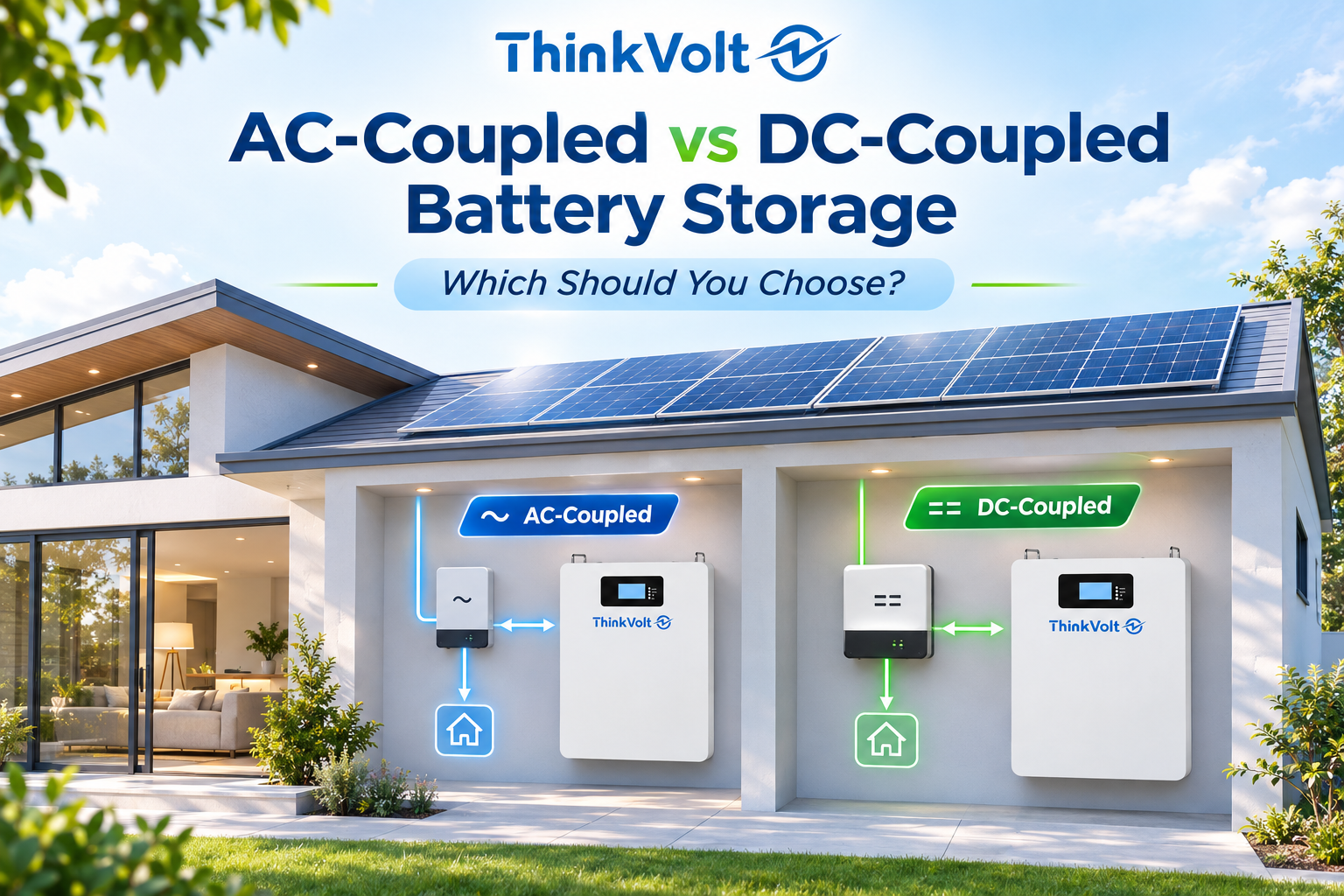
The short answer: AC-coupled battery storage is often the practical first choice when adding batteries to an existing solar installation, while DC-coupled storage is often attractive when solar panels and batteries are designed together. The better solution depends on the inverter you have, the energy flows you want, the backup functions you need, and the total installation scope—not just on the coupling label.
For installers and EPC teams, it also affects equipment selection, electrical design, commissioning, and future service. This guide compares both architectures and provides a practical way to choose.
The terms describe where solar generation and battery storage connect electrically. They do not describe the battery chemistry or indicate whether a battery is inherently better.
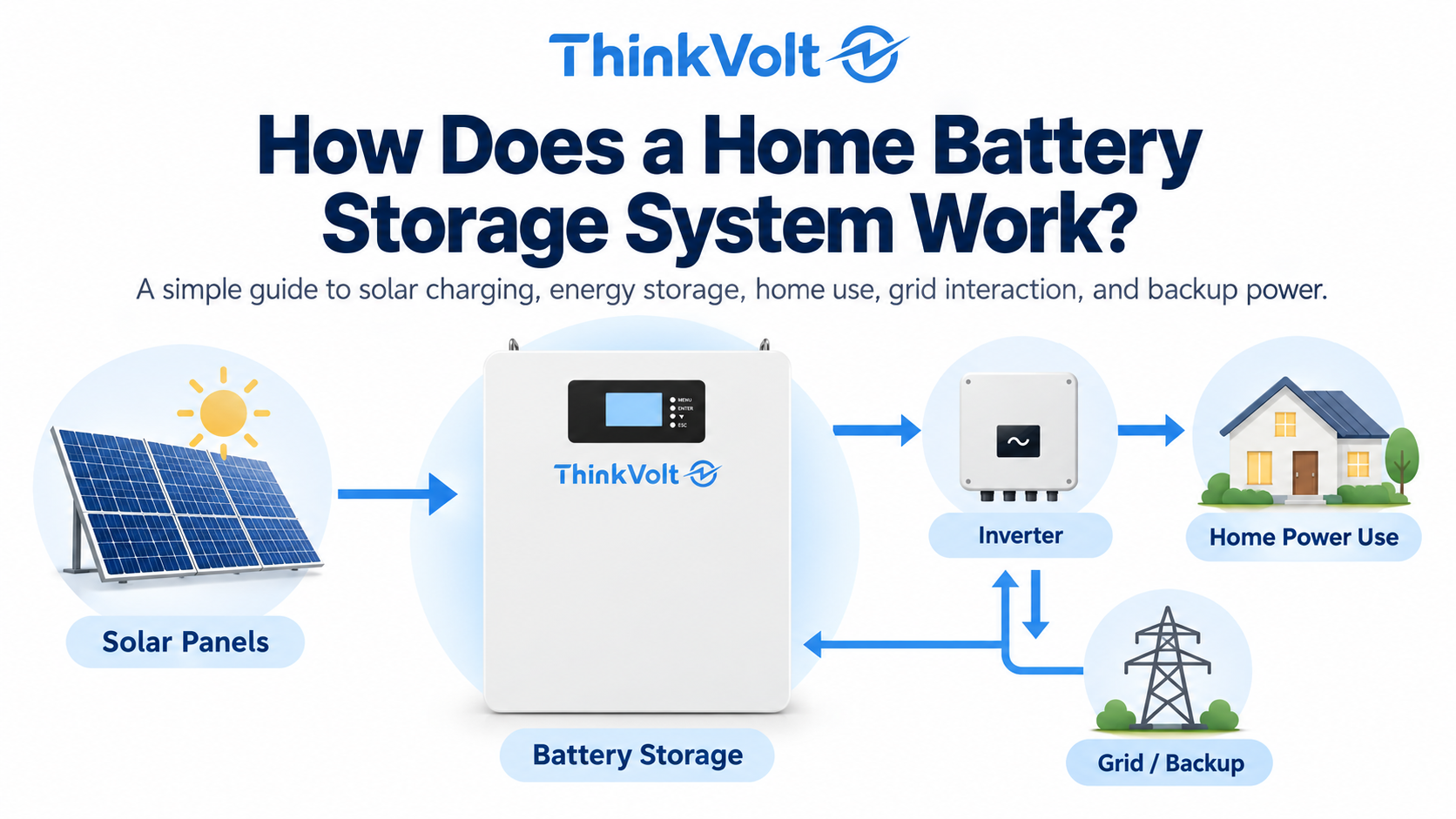
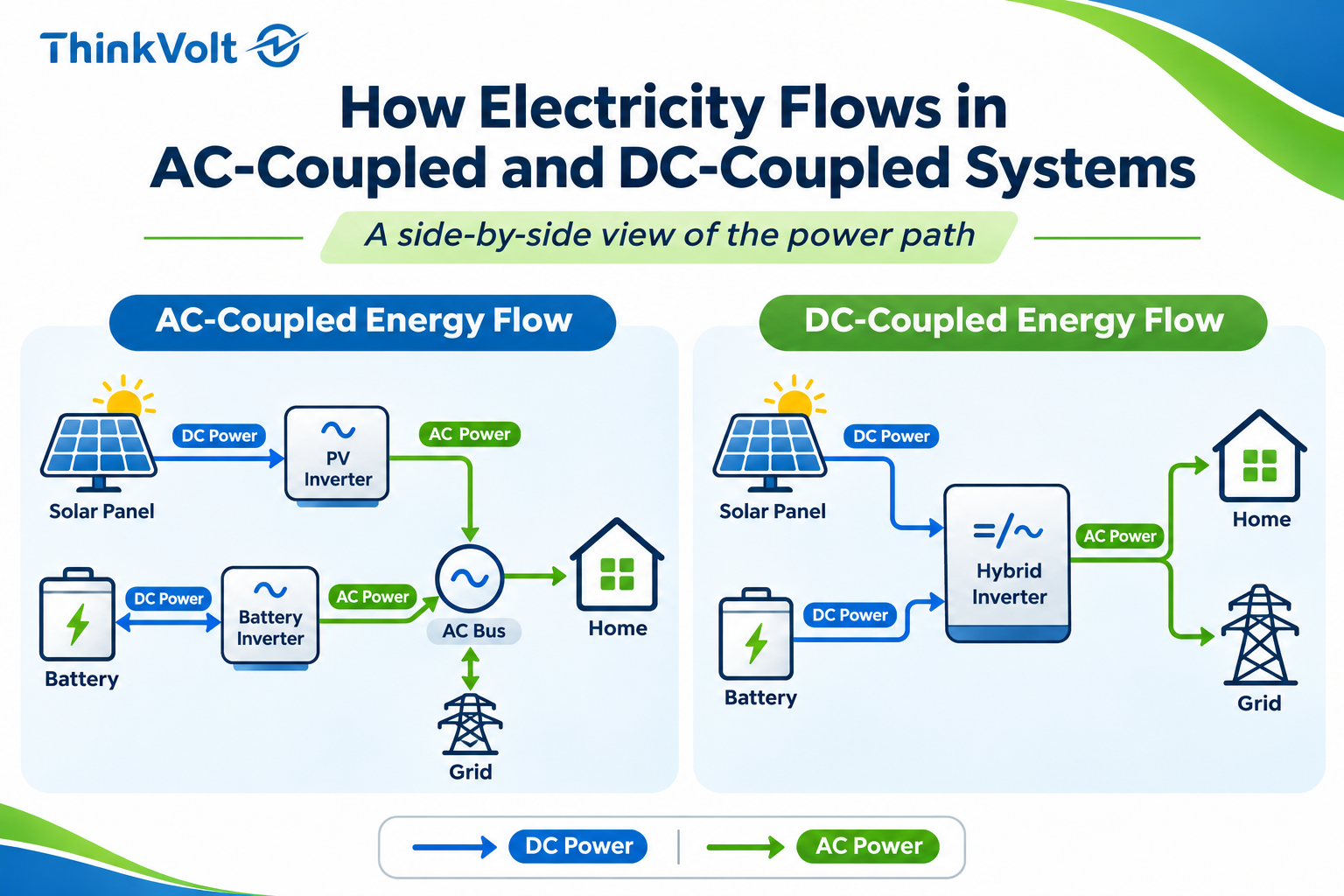
In a typical AC-coupled solar-plus-storage system, the solar panels feed a solar inverter, while the battery has its own bidirectional inverter or inverter-charger. Both sides connect through an AC distribution point. The battery-side equipment converts AC electricity into DC for charging and DC back into AC when discharging.
In a typical DC-coupled system, solar and storage share a DC-side charging or power-conversion arrangement before electricity is inverted for household AC loads. This may use a hybrid inverter, a DC-DC converter, an MPPT charge controller, or a combination, depending on the product design.
All batteries store energy as DC. That is why a battery sold as a “DC battery” is not, by that description alone, proof that it will work with any solar inverter. Likewise, an AC-coupled battery system still contains DC battery cells; its AC connection is managed by power electronics.
The main difference is the path electricity takes between the PV array, battery, and AC loads. That path influences conversion losses and the equipment that must coordinate charging and discharging.
Solar panels produce DC power. The PV inverter converts it into AC for the home or grid. When solar electricity is sent into the battery, the battery inverter-charger converts that AC into DC. When the battery later powers household appliances, the battery inverter converts stored DC back into AC.
Solar → PV inverter (DC to AC) → AC bus → battery inverter (AC to DC) → battery → battery inverter (DC to AC) → home.
This path is most relevant to solar energy stored for later use. Solar energy used immediately by daytime appliances does not necessarily travel through the battery at all.
Solar DC power can charge the battery through compatible DC-side electronics. Later, a hybrid or battery inverter converts DC to AC for the home. This can avoid the intermediate DC-to-AC-to-DC conversions associated with an AC-coupled solar charging path.
Solar → MPPT/DC power-conversion stage → battery/DC bus → inverter (DC to AC) → home.
“Fewer conversions” does not mean “zero losses.” MPPT controllers, DC-DC stages, batteries, inverters, cabling, and standby electronics can all contribute losses. The operating mode and measurement boundary matter when comparing real performance.
AC coupling typically provides a flexible route for retrofitting an operating solar system. DC coupling typically simplifies the solar-to-battery conversion path in an integrated new design. Neither guarantees the lowest installed cost or the best backup performance.
Decision factor | AC-coupled storage | DC-coupled storage |
Solar/battery connection | Meet on the AC side | Meet on a shared DC-side path or hybrid inverter |
Typical equipment | PV inverter plus battery inverter/charger | Hybrid inverter and/or appropriate DC-DC/MPPT hardware |
Existing PV retrofit | Often preserves the current PV inverter | May require inverter replacement or PV-side changes |
New solar-plus-storage | Viable, especially with modular equipment | Often attractive for integrated system design |
Solar-to-battery path | Includes DC-AC-DC stages in common configurations | May avoid the intermediate AC stage |
Backup power | Depends on islanding and control equipment | Depends on islanding and control equipment |
Expansion | Can keep PV and storage equipment more independent | Must stay within shared inverter and DC-side limits |
Key engineering check | AC integration, power control, metering, islanding | PV voltage/current, battery limits, BMS and inverter support |
The table shows common architectures, not universal product specifications. Some systems combine both coupling methods, and some battery platforms support multiple integration modes. The approved system diagram is more reliable than a marketing label.
Start by evaluating AC coupling if the existing solar inverter is healthy, compliant, and worth keeping. It often lets an installer add battery-side power electronics without redesigning the PV strings or replacing the original inverter.
This is particularly relevant when the property already has a grid-tie string inverter or microinverters. However, a compatible AC interface alone does not establish that the existing solar system will keep producing during an outage.
DC coupling can still be sensible for a retrofit. For example, the original inverter may be near replacement, or the owner may already have a storage-ready hybrid inverter with an approved battery interface. In those cases, the work required to change the conversion architecture may be justified.
Before deciding, ask the installer to document the current inverter model, firmware, PV string configuration, utility agreement, backup objectives, and the scope of work under both options. Compare complete installed designs, rather than a battery purchase price on one side and a full replacement quote on the other.
Practical rule: Preserve a suitable working PV inverter unless a clear technical or economic reason favors changing it.
DC coupling is often a strong starting point for a new project because the PV array, battery voltage, inverter, and control strategy can be selected as one system. This can reduce duplicated conversion hardware and make the solar-to-battery charging route more direct.
It can be particularly useful where a significant share of solar generation will be stored for evening use. With the right equipment, a shared DC-side path can also store some solar energy that would otherwise be limited by the inverter’s AC output rating. This “clipping recovery” benefit is equipment- and operating-condition-dependent; it should not be assumed in every design.
AC coupling remains a valid choice for new installations. A project may favor separate PV and storage equipment for operational independence, distributed PV layouts, phased expansion, or the preferred inverter ecosystem. In some operating profiles, direct daytime solar-to-load conversion can also be advantageous.
For the solar-to-battery-to-home path, DC coupling often has an efficiency advantage because it can avoid an intermediate AC conversion. But efficiency claims can be misleading unless they describe the same operating path and include the same equipment.
A battery-cell or battery-module round-trip efficiency figure is not the same thing as the AC-to-AC efficiency of a complete installed system. Manufacturers may measure different boundaries. Some figures include inverter losses; others do not. Operating temperature, state of charge, charge and discharge power, and standby consumption can also change the outcome.
Consider an illustrative calculation, not a prediction of any product: if two complete systems receive 10 kWh at the same defined input point and deliver energy at the same defined output point, 90% versus 94% end-to-end efficiency would mean 9.0 versus 9.4 kWh delivered. That 0.4 kWh difference matters only if the measurement boundary, operating conditions, and usage pattern are truly comparable.
For a fair comparison, request the following from the supplier or installer:
· The energy path being tested: PV-to-battery-to-AC-load, grid-to-battery-to-AC-load, or battery-only AC round trip.
· Whether the published figure includes battery conversion electronics, inverter, thermal management, and auxiliary power.
· The test power, state-of-charge range, and environmental conditions.
· Annual energy modeling based on when the household actually uses electricity.
If most PV energy goes straight to daytime loads rather than into storage, the value of improving the storage charging path may be smaller than a headline efficiency difference suggests. Compare annual useful energy and overall project value, not isolated percentages.
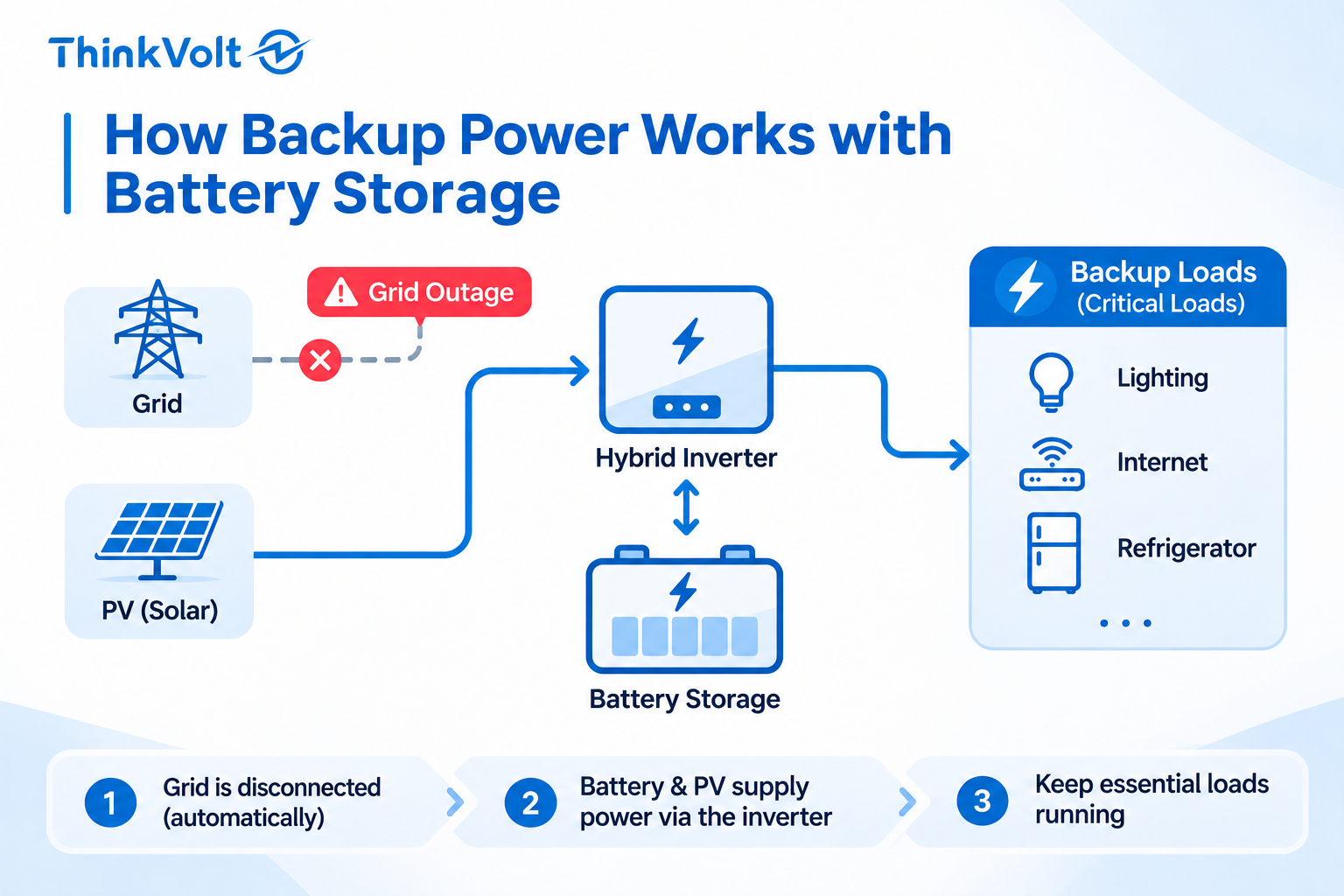
Yes, either architecture can support backup when specifically designed and approved for it. Neither AC coupling nor DC coupling automatically means the home will remain powered during a blackout.
A standard grid-following solar inverter generally stops exporting when the grid fails. To create a usable backup system, the design usually needs appropriate islanding or transfer equipment, a grid-forming inverter function, protected loads, and coordinated control of solar charging and battery discharge.
For an AC-coupled backup system, the battery inverter or system controller must be able to manage any solar inverter operating on the backed-up AC bus. When battery charge acceptance is limited, surplus PV production may need to be curtailed. Manufacturers may specify particular AC-coupled PV sizing, frequency-control, metering, and restart rules.
For a DC-coupled system, the hybrid inverter may manage PV and battery charging through its DC side, but outage behavior still depends on its backup output, startup capability, operating limits, and wiring. A system can have DC-coupled storage yet lack whole-home backup.
Ask for a written outage sequence: Which circuits stay on? What is the maximum continuous and surge power? Can PV recharge the battery while islanded? What happens when the battery reaches its minimum state of charge? How does the system restart after a prolonged outage?
AC coupling can lower retrofit disruption; DC coupling can reduce some duplicated equipment in a new integrated design. Neither statement guarantees a cheaper project without a detailed bill of materials and labor scope.
An AC-coupled retrofit may avoid replacing a working PV inverter, altering DC string wiring, and repeating some PV-side work. However, it adds or relies on separate battery power electronics and may require additional protection, metering, backup switching, and communications integration.
A DC-coupled new build may share an inverter and simplify the overall power-conversion architecture. But compatibility constraints, DC-side redesign, specialized installation labor, and inverter replacement can eliminate that advantage in a retrofit.
Installers and EPC contractors should price the same deliverable in each proposal: the same usable battery capacity, backup circuits, discharge power, PV performance, monitoring features, regulatory scope, and commissioning tests. Request explicit exclusions for electrical panel upgrades, equipment removal, utility approvals, and software or warranty arrangements.
Lifecycle cost also matters. Separate equipment may be easier to replace independently, while a tightly integrated platform can simplify monitoring and control but tie future replacement to a specific product ecosystem. Review spare parts, software support, warranty responsibilities, and access for service before signing.
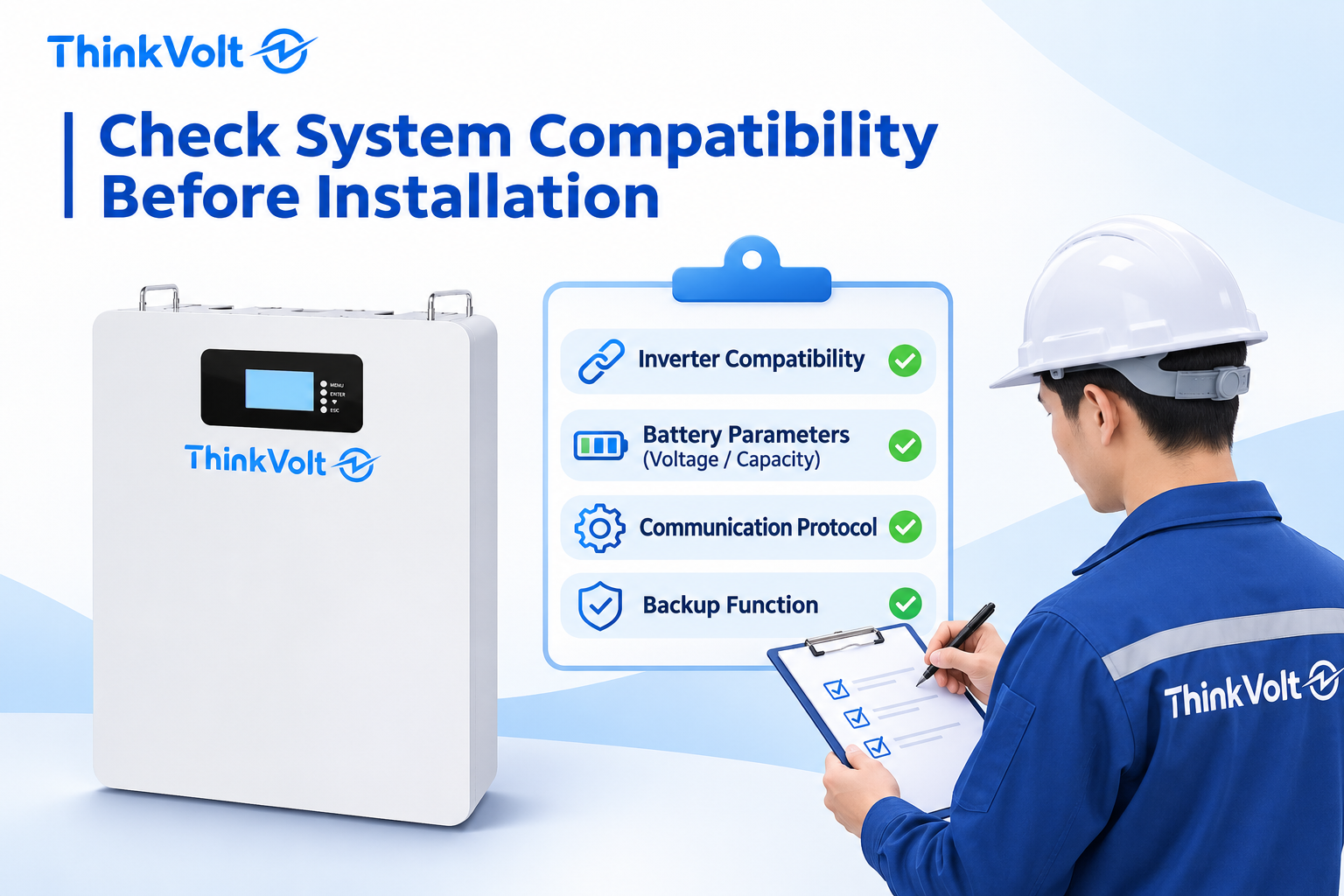
Compatibility must be verified at exact model and system level, not inferred from voltage or brand names. A battery with the right nominal voltage can still be unsuitable because of charge limits, inverter firmware, BMS communication, protection requirements, or unsupported operating modes.
For a DC-side connection, confirm the battery’s operating voltage range, maximum charge and discharge current, permitted series or parallel configuration, BMS communication protocol, and the hybrid inverter’s approved battery list. Check whether both devices support the desired charging, export, and backup modes.
For AC coupling, confirm the battery inverter’s AC voltage, frequency, phase arrangement, output rating, metering, grid behavior, and any AC-coupled PV controls. If PV will operate during islanding, verify the exact solar inverter and storage controller combination, including firmware and PV-to-battery-inverter sizing limits.
Verify the PV array configuration, existing electrical panel, grounding and protection plan, service disconnects, battery location, ventilation or clearance requirements, and applicable local electrical and fire rules. Grid interconnection, export controls, and approval paths vary by jurisdiction.
For a professional quote, request an approved single-line diagram, equipment datasheets, a written functional specification, and a commissioning test plan. The contractor should identify which party owns integration and warranty support if the inverter and battery come from different manufacturers.
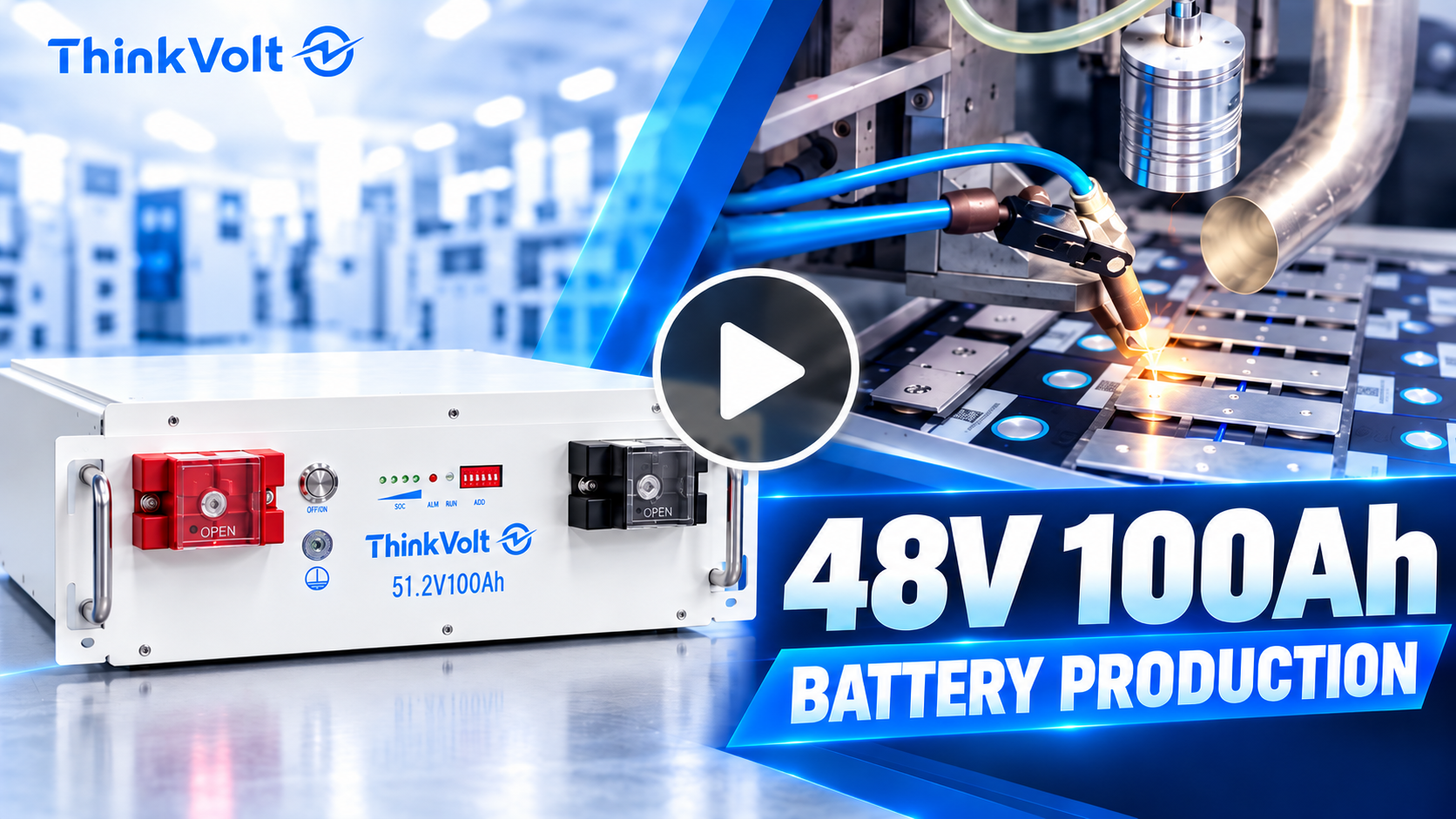
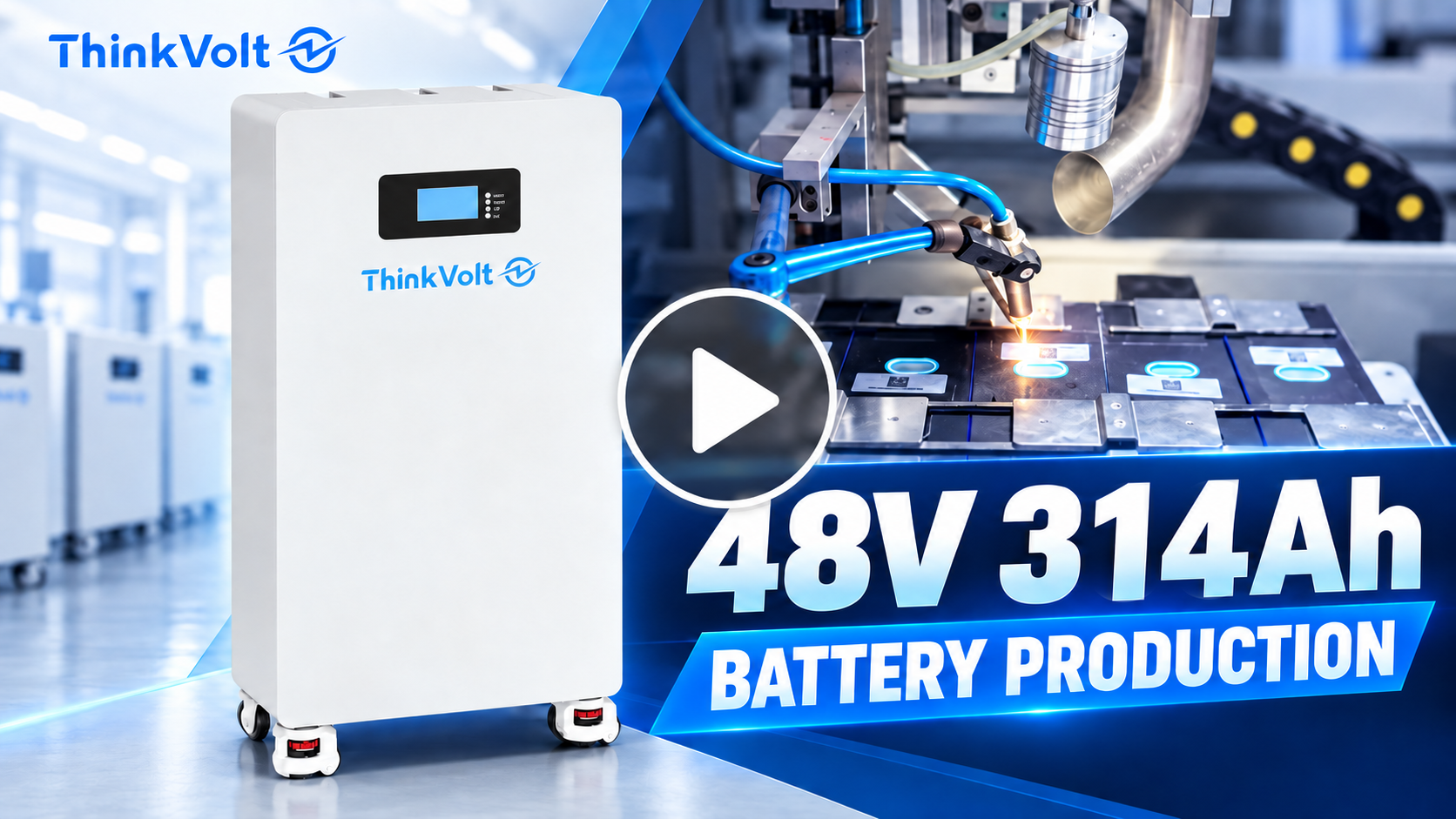
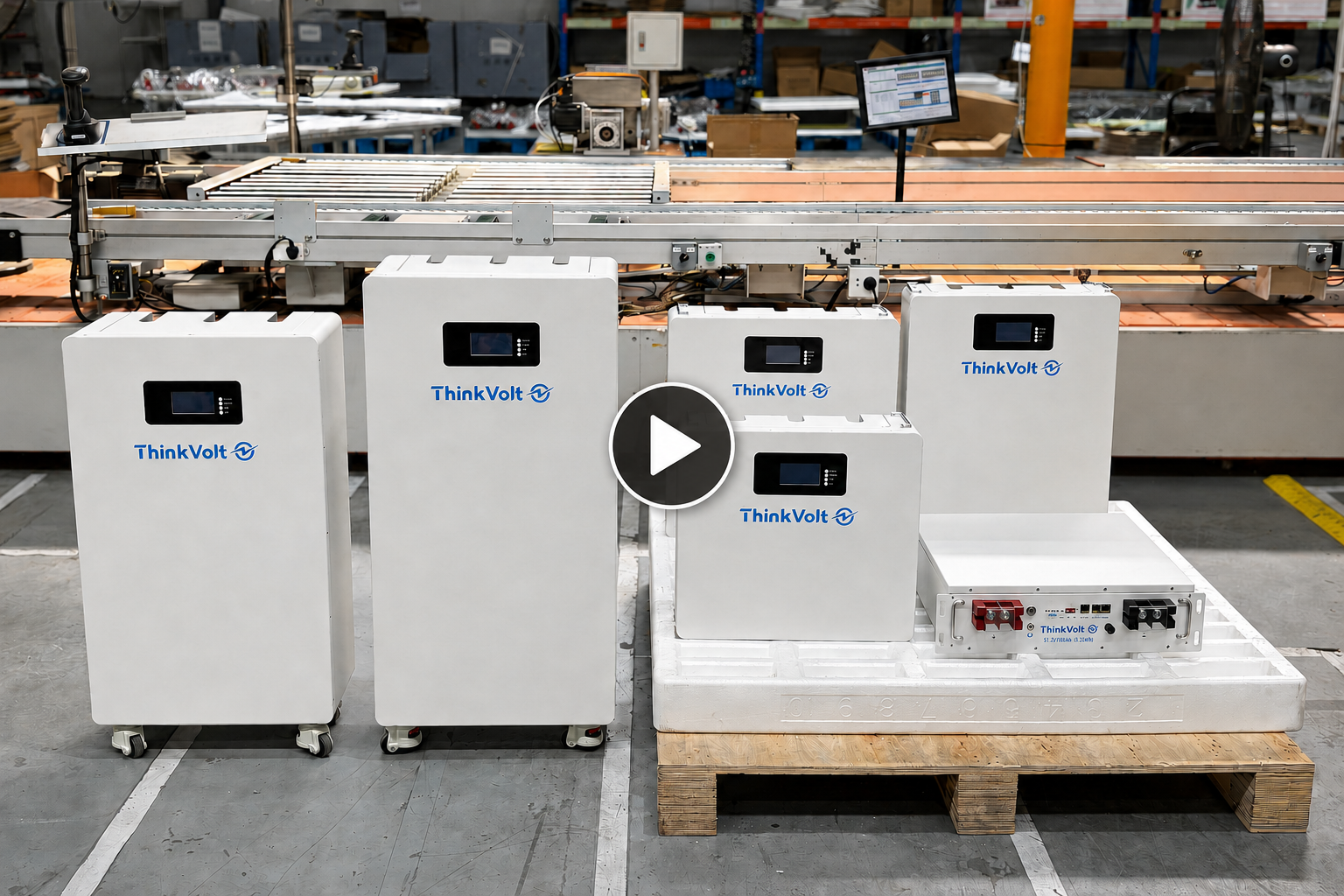
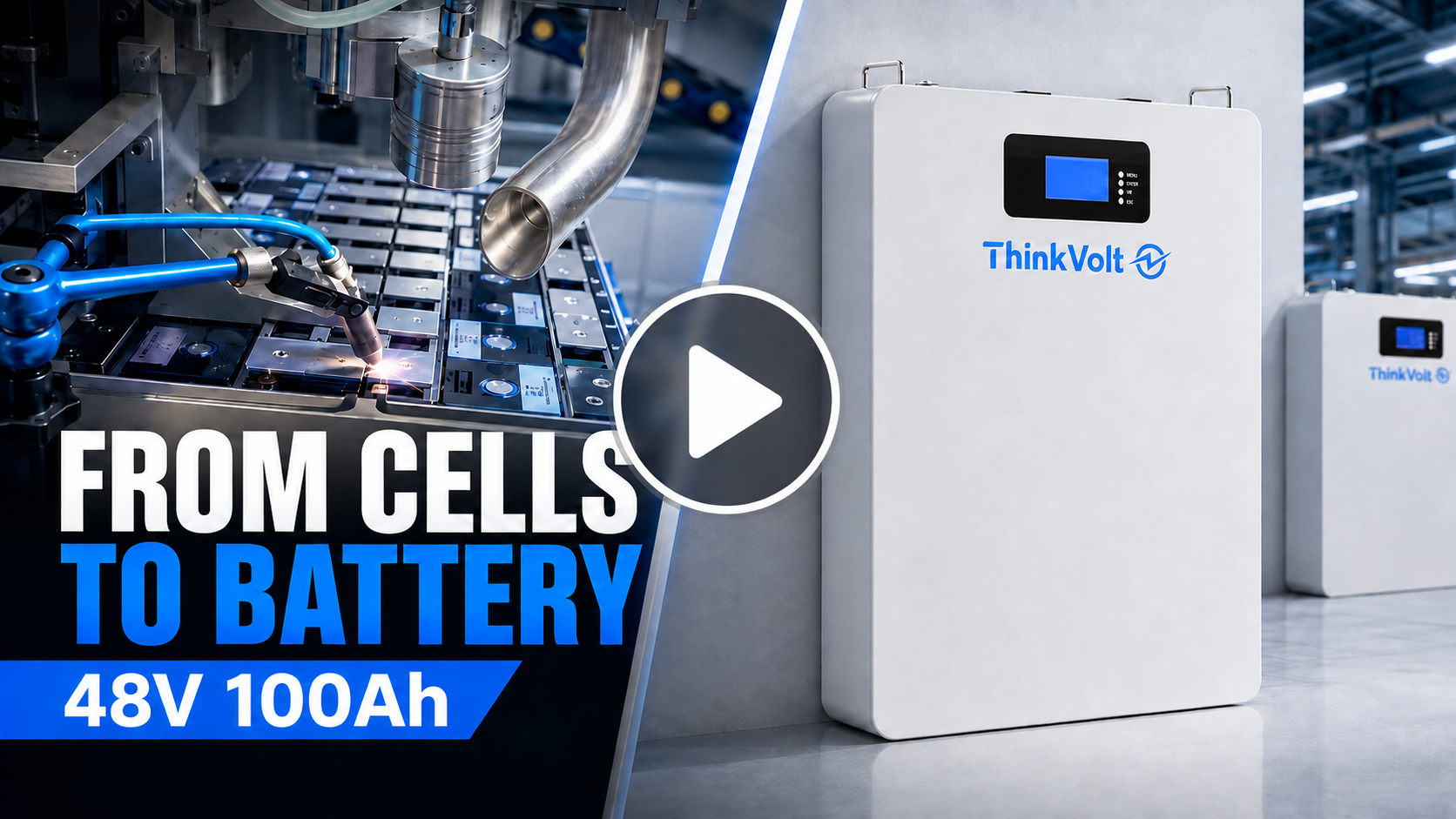
ThinkVolt offers residential LFP storage batteries, integrated residential energy systems, and inverter products. For any proposed ThinkVolt combination, the exact battery model, inverter model, firmware, communication protocol, and local approvals require project-specific confirmation; a product category alone does not establish AC- or DC-coupling suitability.
Both can be expanded, but the limits are different. Expansion must be planned around inverter power, battery compatibility, electrical protection, and the approved system configuration.
AC-coupled solutions can offer practical separation between existing solar equipment and future storage additions. Yet more batteries do not automatically increase allowable inverter output, and extra PV capacity may require new protection, controls, or utility review.
DC-coupled solutions may make it straightforward to add approved battery modules within a family, but the shared hybrid inverter imposes limits on PV voltage and current, battery charging, DC bus capacity, and AC output. More stored kWh does not necessarily increase the power available to start a motor or run several appliances simultaneously.
Some installations use both AC- and DC-coupled PV. This is a legitimate mixed architecture where supported, not a contradiction.
Grid charging is also not exclusive to AC coupling. Some DC-coupled hybrid systems can charge the battery from the grid through bidirectional power electronics, subject to product settings and local rules. Confirm this feature rather than assuming it from the coupling type.
Choose by system condition, operating goals, and verified compatibility—not by a single efficiency or cost claim. The following screening sequence works for residential buyers and for installers preparing an initial proposal.
1. Identify the starting point. Is this an existing PV system, a planned new installation, or a battery-only project?
2. Check what can be reused. Record the inverter model, age, warranty status, firmware, grid setup, and the existing PV string or microinverter arrangement.
3. Define the use case. Is the priority evening self-consumption, time-of-use shifting, essential-load backup, whole-home backup, or future expansion?
4. Model the power flows. Estimate daytime direct use, energy shifted through the battery, charging windows, peak load, and any likely PV clipping.
5. Verify the actual equipment. Compare approved inverter-battery interfaces, voltage/current limits, metering, islanding controls, and documentation.
6. Compare complete installed offers. Include hardware, electrical work, permits, monitoring, backup equipment, service obligations, and expected energy performance.
Your situation | Good first design to evaluate | What could change the answer? |
Existing PV with a healthy grid-tie inverter | AC-coupled storage | Existing approved hybrid port or a planned inverter replacement |
New PV and battery designed together | DC-coupled hybrid design | Independent equipment strategy, phased installation, or site constraints |
Existing microinverter-based PV | AC-coupled storage | Exact model compatibility and approved hybrid or mixed design |
Backup is the main priority | Either, with verified islanding design | Restart behavior, power ratings, and protected-load requirements |
Significant future expansion planned | Compare both architectures | Inverter headroom, approved battery modules, interconnection limits |
An authorized local professional should confirm the final architecture and code compliance.
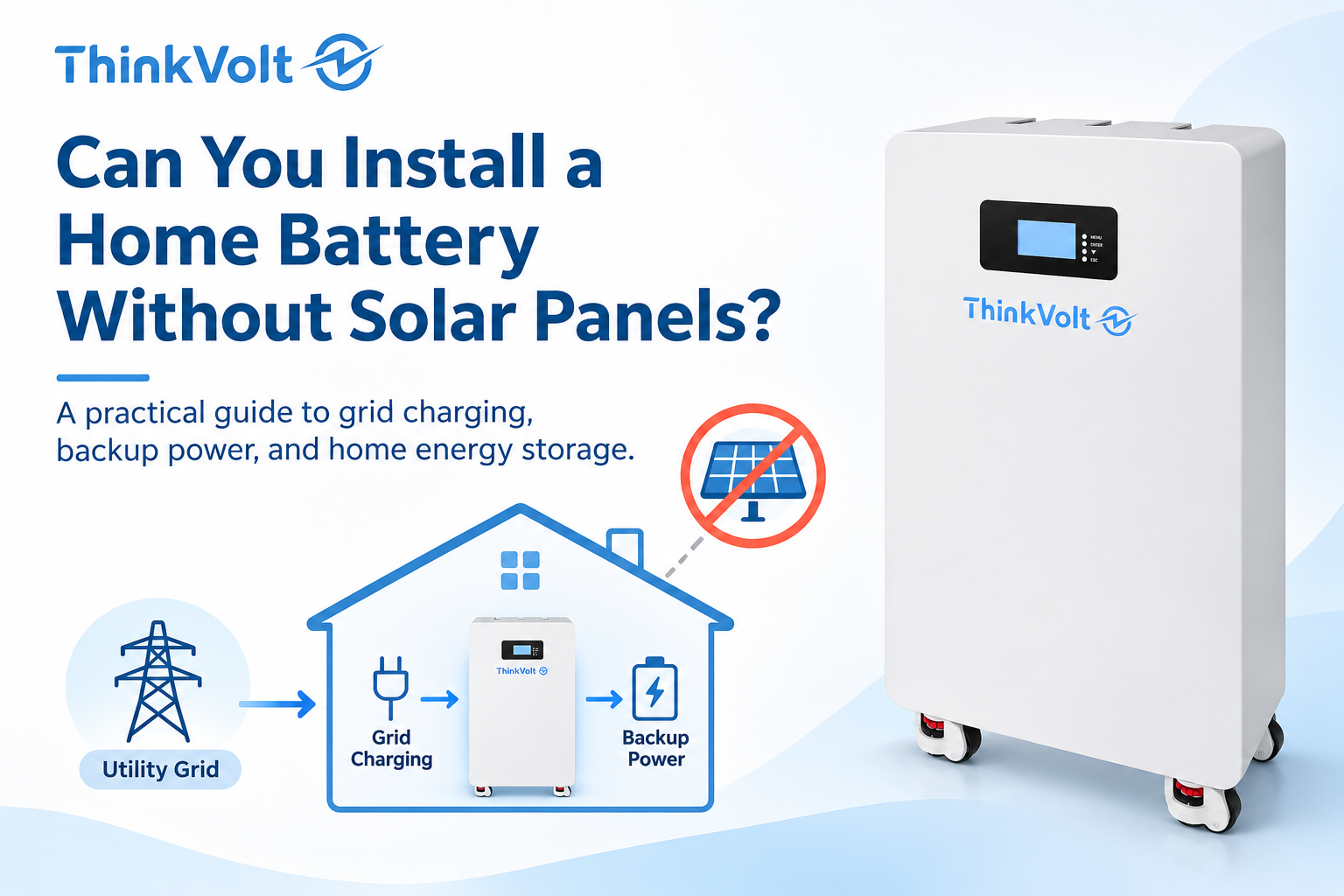
Yes, a battery system with suitable AC-connected power electronics may operate without on-site solar and charge from the grid where allowed. Its actual capabilities depend on the inverter or integrated battery system, local tariff rules, and settings. Confirm grid charging, discharge permissions, and backup features in the exact product documentation.
Not necessarily. AC-coupled storage is commonly evaluated first because it may retain a healthy existing PV inverter. Replacement might still be necessary if the original equipment is unsupported, unsuitable for the intended backup operation, or reaching the end of its service life. Obtain a site-specific design before deciding.
Many microinverter-based solar installations can be evaluated for AC-coupled battery integration, but compatibility is not automatic. The design must address AC-side power limits, monitoring, grid disconnection, and whether PV should continue operating during a blackout. Verify the exact microinverter, battery inverter, firmware, and backup controller combination.
Some can. A compatible bidirectional hybrid inverter may convert grid AC into DC to charge a DC-connected battery. Other products or settings may restrict that function. The coupling label does not determine grid-charging permission; review the inverter specifications, control settings, interconnection conditions, and local tariff rules.
Only if the system is specifically designed to support solar charging while islanded. This requires suitable conversion equipment, controls, protection, and enough available battery charge acceptance. Some AC-coupled configurations have PV curtailment or restart constraints; DC-coupled systems also have operating limits. Request the outage operating sequence from the installer.
No. Battery-module round-trip efficiency describes a narrower energy boundary than the full path from solar panels or grid input to usable AC output. Whole-system performance may include inverter losses, power-conversion stages, cables, auxiliaries, and standby power. Compare systems only when the measurement boundaries and test conditions are aligned.
Sometimes, but not simply because the voltage ratings appear to match. Check whether the precise models are approved to operate together, including BMS communications, firmware, charging limits, protection, and fault handling. For commercial installation or warranty support, obtain written compatibility confirmation and identify who is responsible for system integration.
AC coupling often makes sense when preserving a working solar installation matters; DC coupling is often attractive when solar and storage are engineered together. The right architecture is the one that meets the site's energy, backup, compatibility, and cost requirements as a complete, verified system.
Planning a residential solar-storage installation or an EPC project? Share your country and grid standard, current or proposed inverter model, PV array, target battery capacity, and backup-load requirements with the ThinkVolt team to discuss suitable battery and system options. Final equipment pairing and technical configuration should be confirmed against the latest model-specific documentation.